
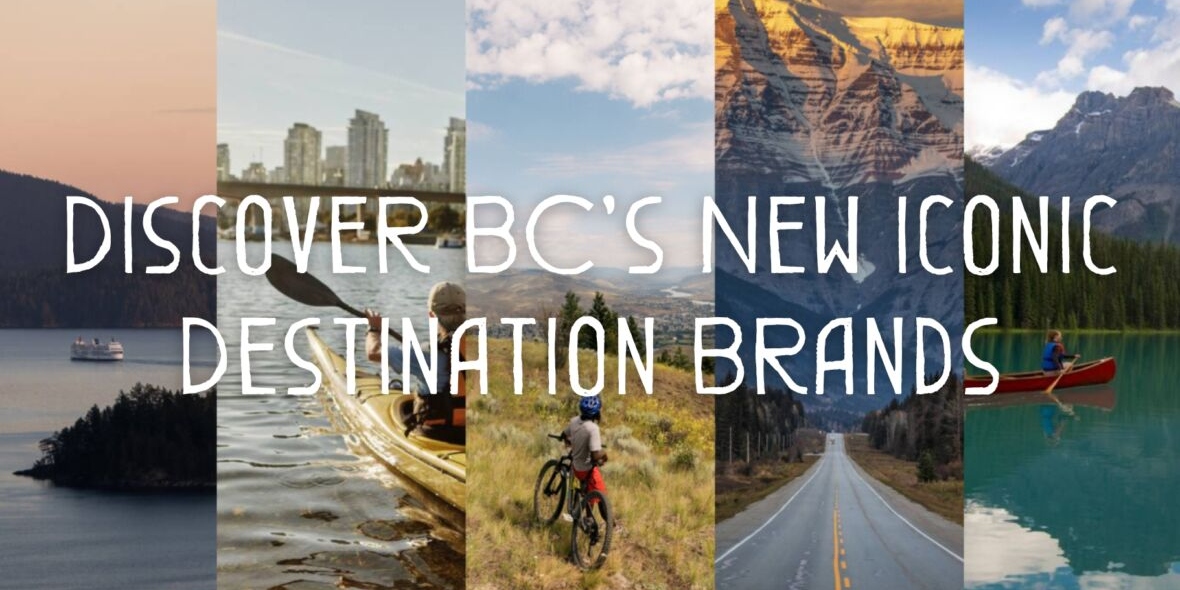
Destination British Columbia is asking Australian travellers to look beyond the classic Vancouver and Rockies circuit, with a new Iconics framework that packages the province into six destination stories and a signature coastal route.
The goal is simple: get visitors to stay longer, explore more and spend time in regions they may have only glimpsed from a train window the first time around.
 Visiting Sydney for trade meetings, Destination BC’s Director of Partner and Market Development, Meredith Moll (pictured), told Traveltalk that the Iconics are about turning BC’s sheer size and variety into something easier for agents to sell.
Instead of a long list of towns and parks, the province is now framed through experiences and landscapes that line up with how Australians like to travel.
“What we want to encourage is coming back and doing something different,” she said. “Slow down, go further and showcase those other parts of the province.”
Six Iconic destination brands sit under the refreshed Super, Natural British Columbia banner.
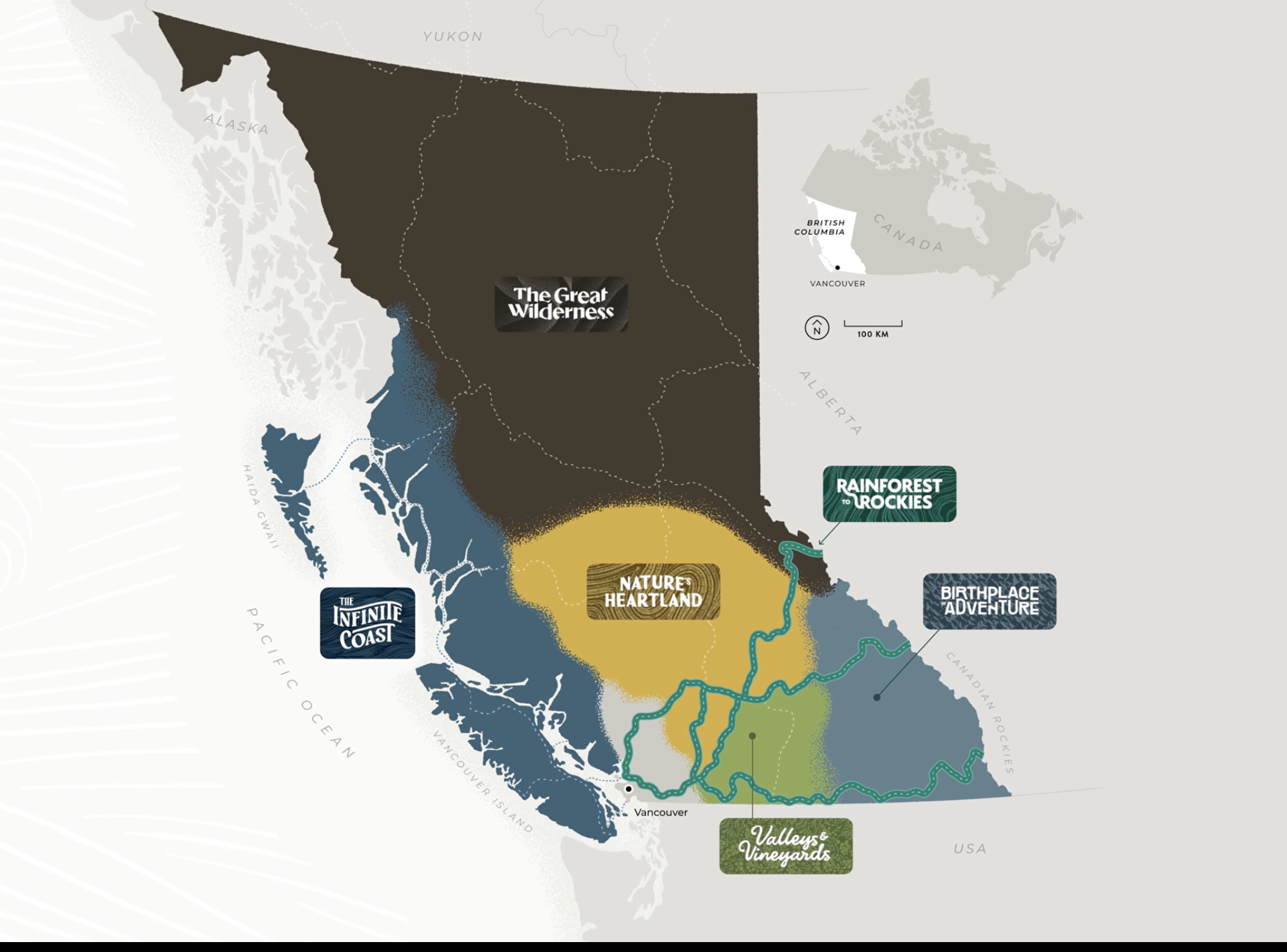
Rainforest to Rockies captures the classic journey from Pacific rainforest through to the Canadian Rockies, while The Great Wilderness represents the vast, untamed north, where big landscapes and small communities dominate the map.
The Infinite Coast is a new route based brand that follows Vancouver Island and the mainland shoreline, encouraging visitors to look past a quick Victoria stay and spend time in coastal communities and wildlife rich inlets further north.
Nature’s Heartland focuses on cowboy country and guest ranches, with wide valleys and grasslands made for riding, hiking and stargazing.
Valleys and Vineyards showcases BC’s wine regions, particularly the Okanagan, where warm lakes, summer resorts and wineries are still relatively under the radar for Australians.
Birthplace of Adventure brings together BC’s high energy side, from heli skiing and heli hiking to big mountain biking and other outdoor pursuits that suit clients who want to test themselves rather than just admire the view from a coach.
For Moll, the appeal for the trade lies in how clearly each Iconic speaks to a different kind of traveller.
Repeat visitors who loved the Rockies might be ready for a week in Valleys and Vineyards, pairing lakeside stays with cellar doors.
Clients who live for powder days can combine a ski holiday in the Interior with time in Birthplace of Adventure territory, adding heli options or summer alpine hiking.
First timers still get Rainforest to Rockies, but agents can position it as one Iconic among many, rather than the only way to see BC.
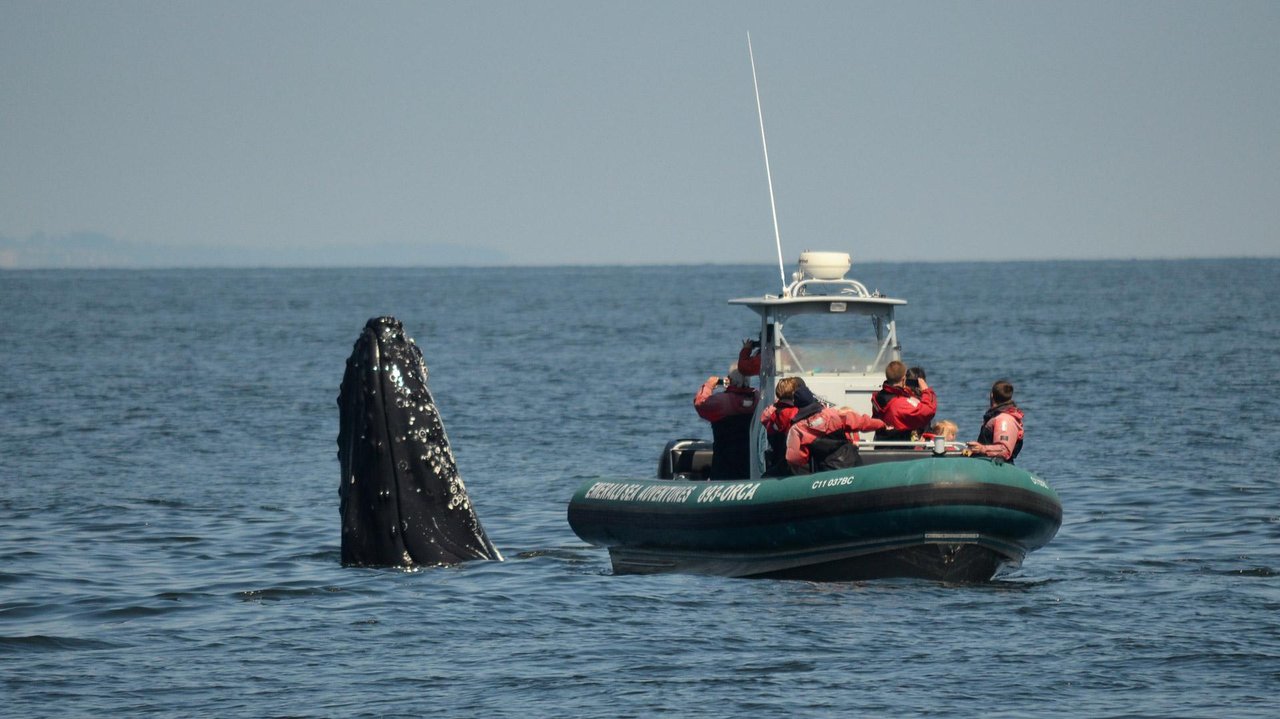 Sidney Whale Watching, Sidney, British Columbia
The Infinite Coast is where Destination BC sees the strongest role for planners. Unlike the other Iconics, it has been designed from the outset as a route that relies on careful stitching together of road, ferry and seaplane sectors.
Travellers might fly into Vancouver, cross to Victoria, then follow the island north to Port Hardy for wildlife tours and remote lodge stays, before looping back via coastal communities on the mainland. “It takes a trip planner,” Moll said.
“You really need the trade to line up those seaplane bookings, ferries and stays, and help people understand how to activate that route.”
Indigenous Tourism BC is a core partner in the Invest in Iconics Strategy and has been deeply involved in consultations and branding.
As the Iconics were shaped, Indigenous Tourism BC led much of the discussion around how each route reflects the land and its stories, ensuring the brands do not sit apart from Indigenous perspectives.
Destination BC is also working to bring more Indigenous owned operators to trade ready and export ready status, so that agents can book genuine Indigenous accommodation, tours and cultural experiences across the province rather than relying on surface level touches.
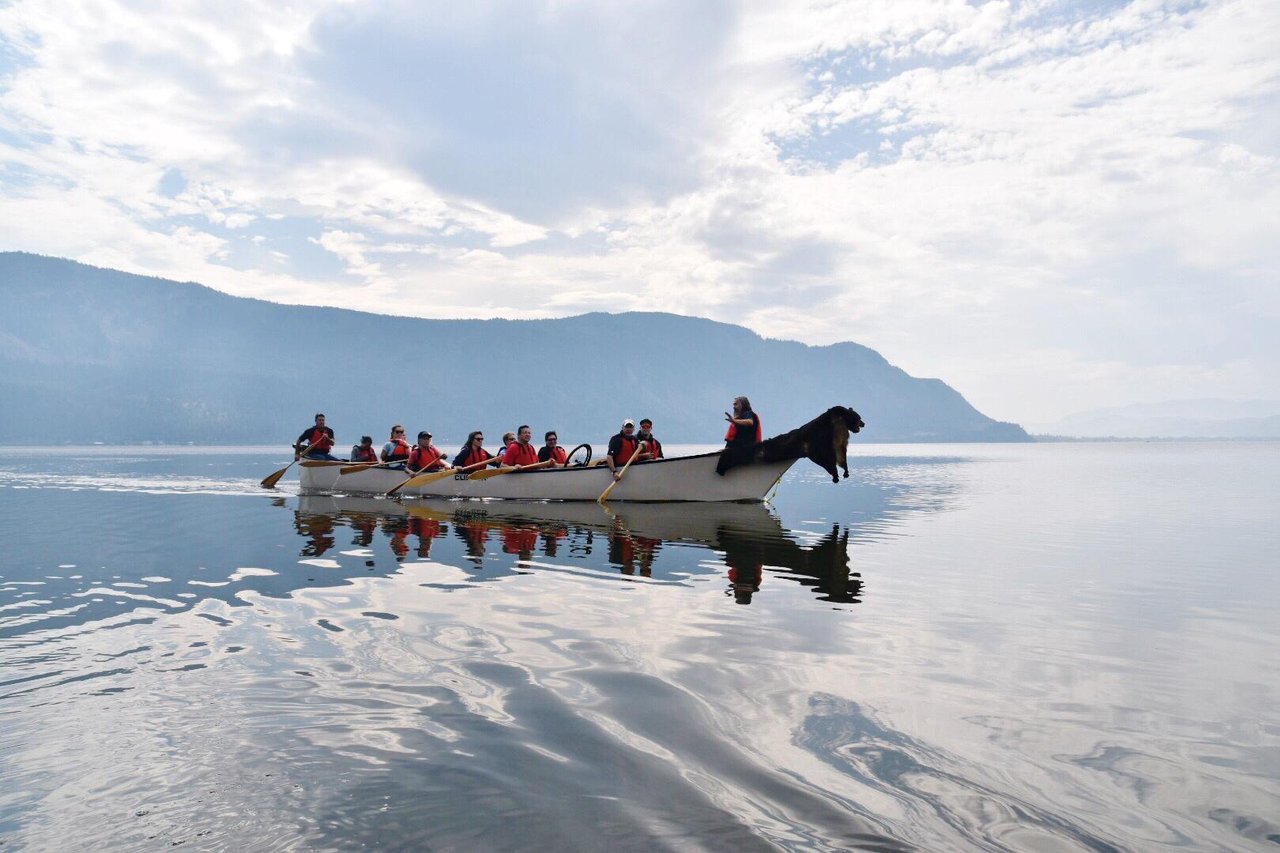 Moccasin Trails, Kamloops, British Columbia
Moll said BC is “very lucky” to have a growing number of Indigenous owned stays and experiences that align with what travellers are now seeking.
“People are really looking for something authentic and different,” she said.
“With Indigenous owned accommodation and tours they are not just seeing a totem pole, they are understanding the history behind it.”
For Australian agents, that means the Iconics can be presented not only as scenic routes but as frameworks for meeting communities and hearing stories that go far beyond a standard highlights trip.
On the practical side, Destination BC is backing the Iconics with tools for the trade. Agents can access a dedicated travel trade portal, where they will find itinerary ideas that combine different Iconics, links to trade ready product and rights cleared images and video.
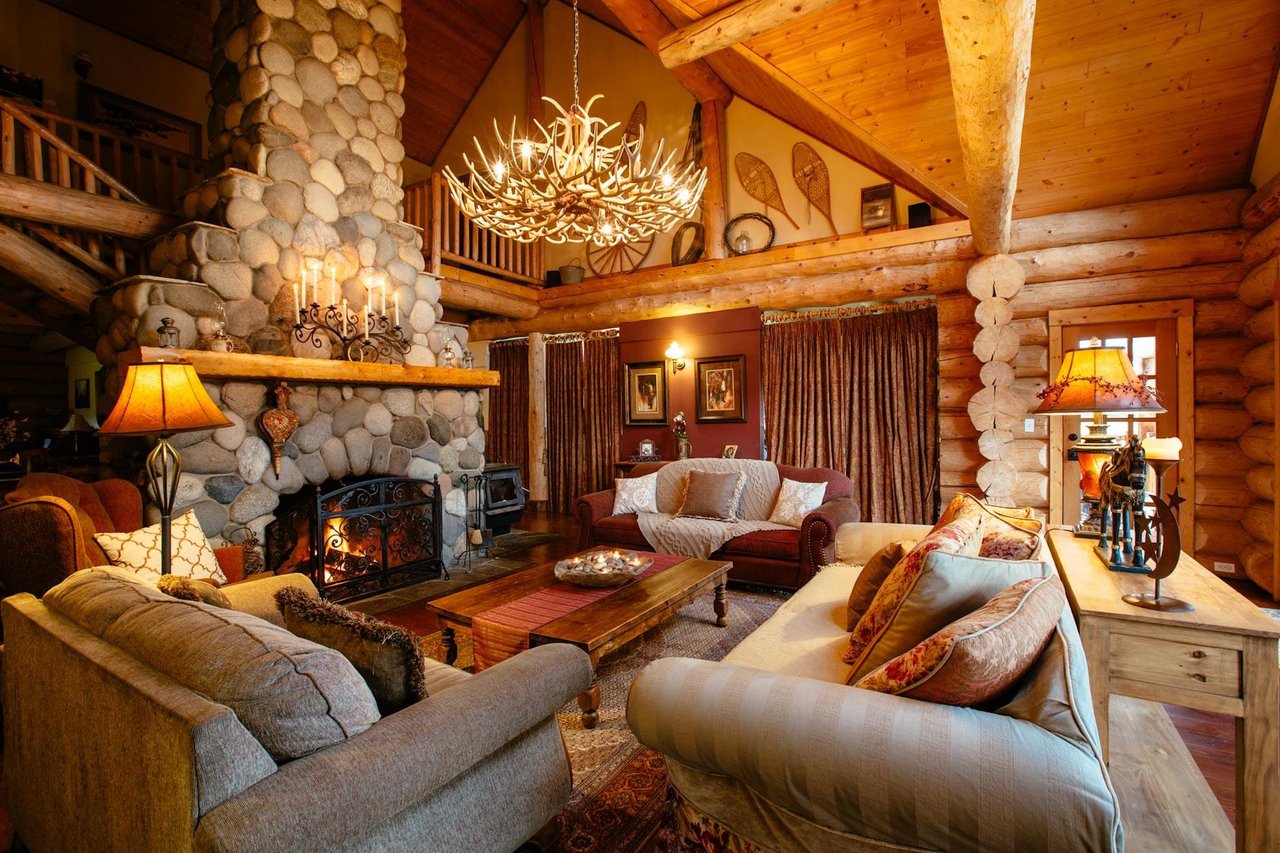 Siwash Lake Wilderness Resort, 70 Mile House, British Columbia
Training remains a priority. Destination BC supports the Canada Specialist Program, runs webinars and EDMs focused on Canada, and works with key partners such as Helloworld and Flight Centre to push knowledge out across front line consultants.
The team also taps into events and roadshows in market, including Canada focused showcases, to meet agents face to face and talk through how Iconics itineraries can be adapted for different client types and seasons.
When asked for one piece of advice for Australian agents selling BC against the rest of Canada, Moll did not hesitate.
“Stay longer,” she said. “Explore more.
Do not be afraid to put that explorers cap on because we have so much for Australians to see and do. We are very lucky to be the point of entry for the Australian traveller, and we are very excited to show off our province.”





