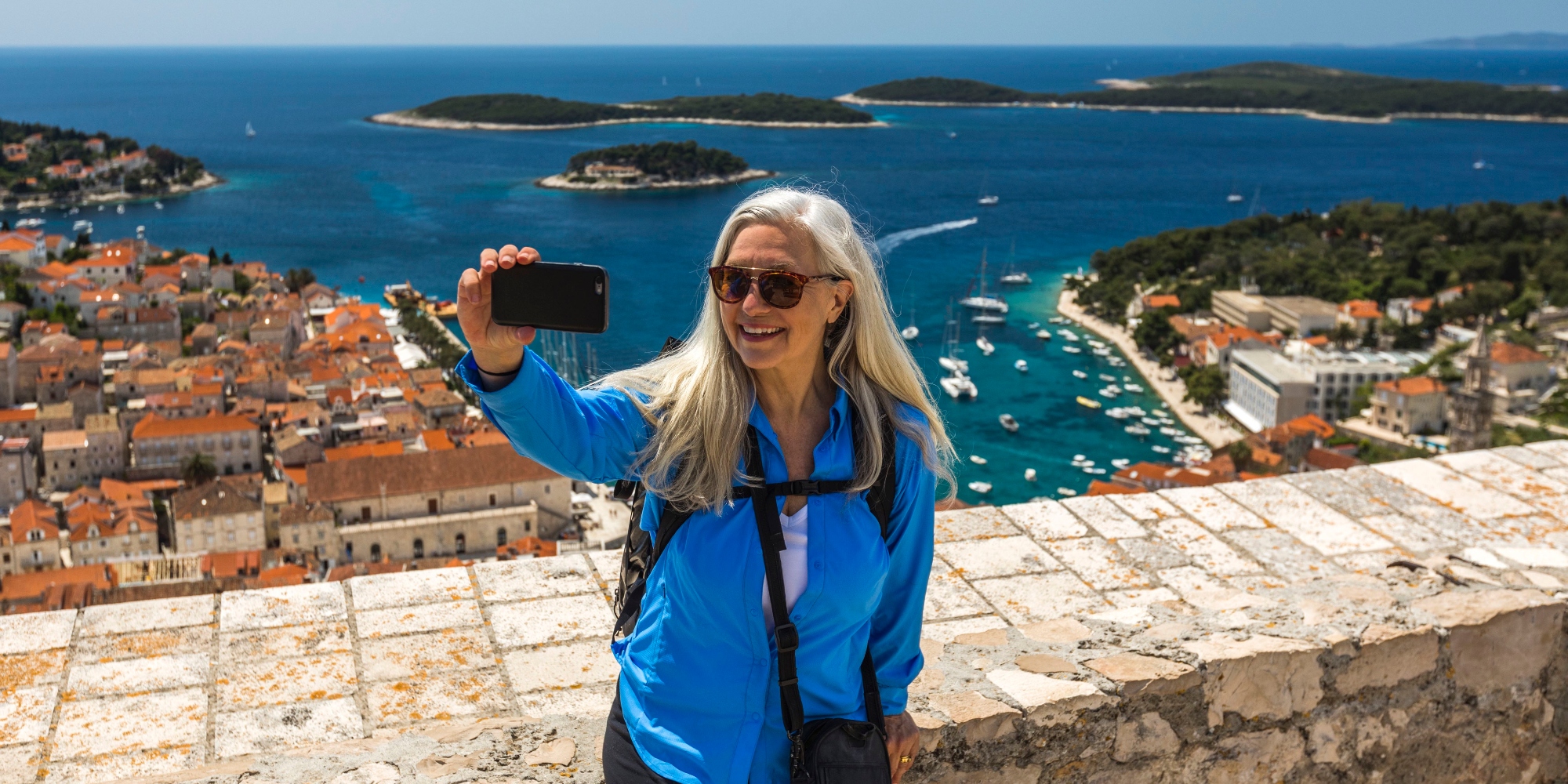
For generations, travel narratives were shaped largely by men. Today, that picture has shifted. Women are travelling more often and increasingly choosing to travel alone, redefining how journeys are planned, experienced and shared.
Recent insights from Trip.com Group show flight bookings by women have risen by 13 per cent year on year. At the same time, global search interest in “solo female travel” has surged, increasing by more than 800 per cent since 2020, according to digital marketing agency Adido.
“There’s something uniquely liberating about taking a trip solo. It’s a chance to explore at your pace, rediscover your own interests and meet like minded travellers,” said Tom Morgan, Trade Sales Director, Just You.
This growth reflects a deeper cultural shift. As women gain greater financial independence and global mobility, travel is increasingly seen as a form of self expression and personal empowerment rather than simply leisure.
Travelling alone is not a new concept, but the motivations behind solo travel are evolving.
Many travellers are choosing independent trips not to be alone, but for the flexibility to travel on their own schedule while still connecting with others along the way.
Debbie Flynn, Chair of the Advisory Board, Club Avandra, said the shift reflects a growing preference for independence by choice.
“Women aren’t travelling solo because they have to, they’re doing it because they want to experience places on their own terms,” she said. “There’s much more focus now on depth, access and cultural relevance rather than traditional group tours or surface level itineraries.”
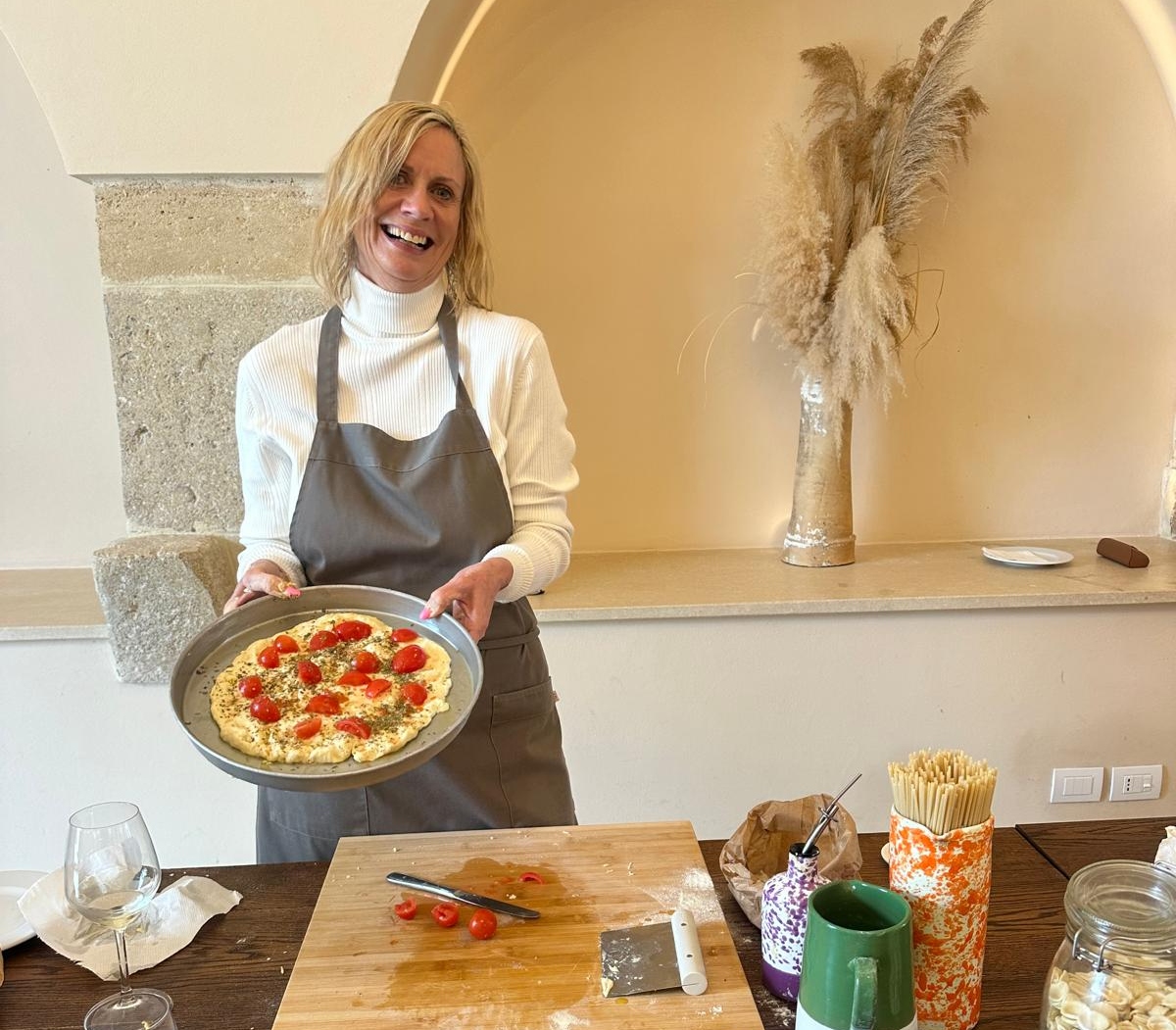 Debbie Flynn, Club Avandra Advisory Board Chair
A Shift Towards Freedom And Flexibility
Women are not only travelling more, they are travelling differently. Booking windows are shortening, with many trips now planned just two to six weeks in advance. This points to growing confidence and flexibility in decision making.
Destinations across Asia and Europe are seeing increased interest, particularly those offering cultural depth alongside accessibility.
Cities such as Bangkok, Istanbul and Shanghai continue to attract solo female travellers, while destinations like Lima and Cairo are gaining traction among those seeking more diverse and immersive experiences.
Research published in the Journal of Travel Research shows that solo female travellers are often motivated by personal growth, autonomy and the desire to challenge themselves through unfamiliar environments. This shift reflects a move away from passive tourism towards more intentional and experience led travel.
“For many of our female guests, solo travel is about doing something for themselves,” Mr Morgan added. “It’s about choosing the experience they want without compromise.”
Ms Flynn said travellers increasingly want a balance between independence and shared experiences.
“Women want something that feels considered. That means seamless planning, beautiful places to stay and experiences that go beyond what they could easily organise themselves,” she said.
“But equally, they want the freedom to be independent, with the option of like minded company when it suits them.”
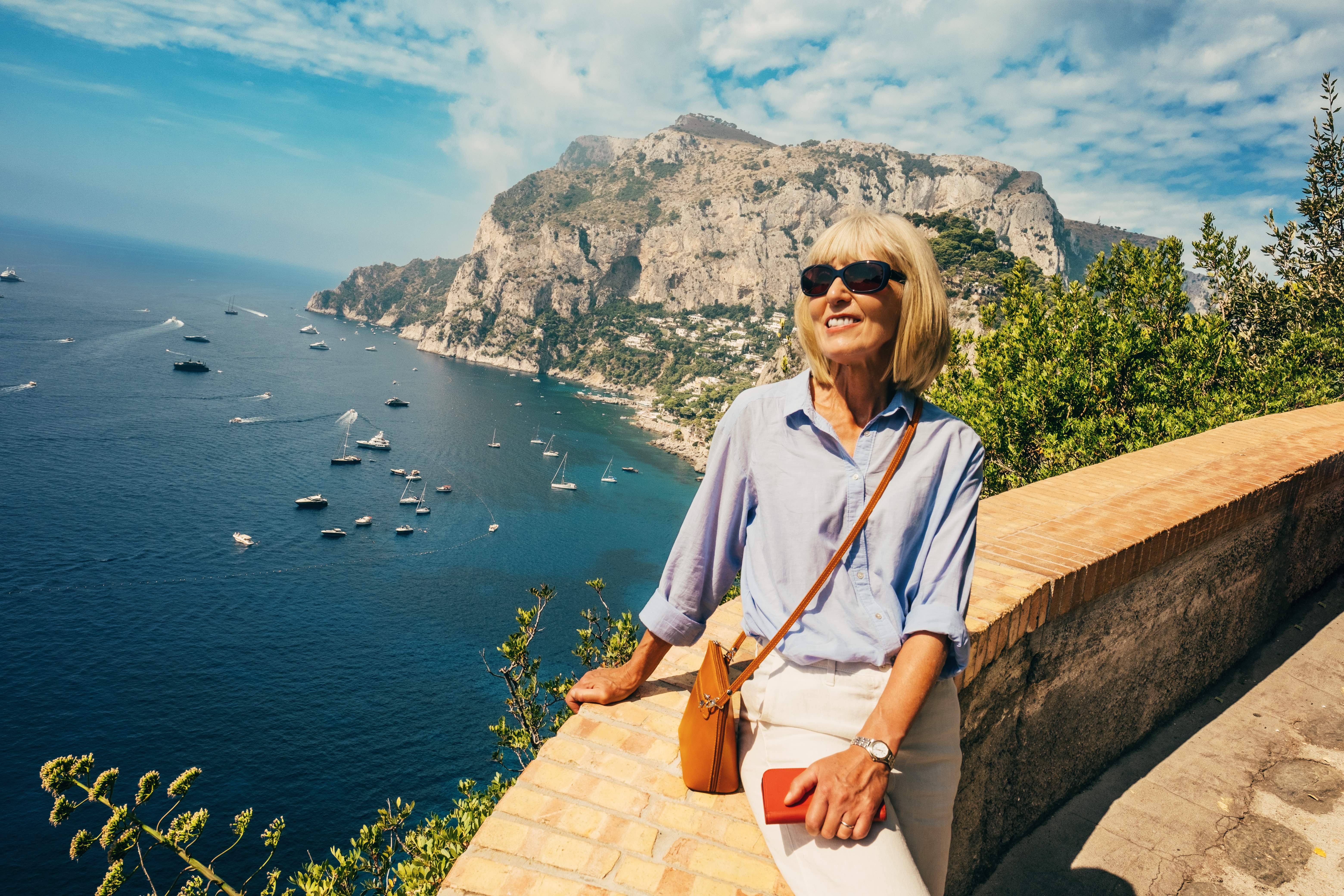
Balancing Adventure With Safety
Despite a growing appetite for exploration, safety remains central to decision making. Women consistently prioritise destinations where they feel confident navigating transport systems, accommodation and public spaces.
Global studies, including insights from Booking.com and United Nations World Tourism Organisation, highlight that women are more likely to research destinations in detail before travelling, particularly when travelling alone.
Factors such as well connected transport, clear signage and positive local attitudes play a significant role in destination choice.
This does not limit travel but shapes it. Destinations that offer both cultural richness and a sense of security are emerging as clear favourites among solo female travellers.
Ms Flynn said safety remains essential but should not define the experience. “Women want to feel safe, of course, but they don’t want that to limit the experience. The key is designing it in a way that feels seamless, so there’s a sense of security without it ever feeling restrictive.”
“Once they arrive and meet others, any anxieties fade away. It’s not just about the destination, it’s about the journey, the people and the shared experiences,” added Mr Morgan.
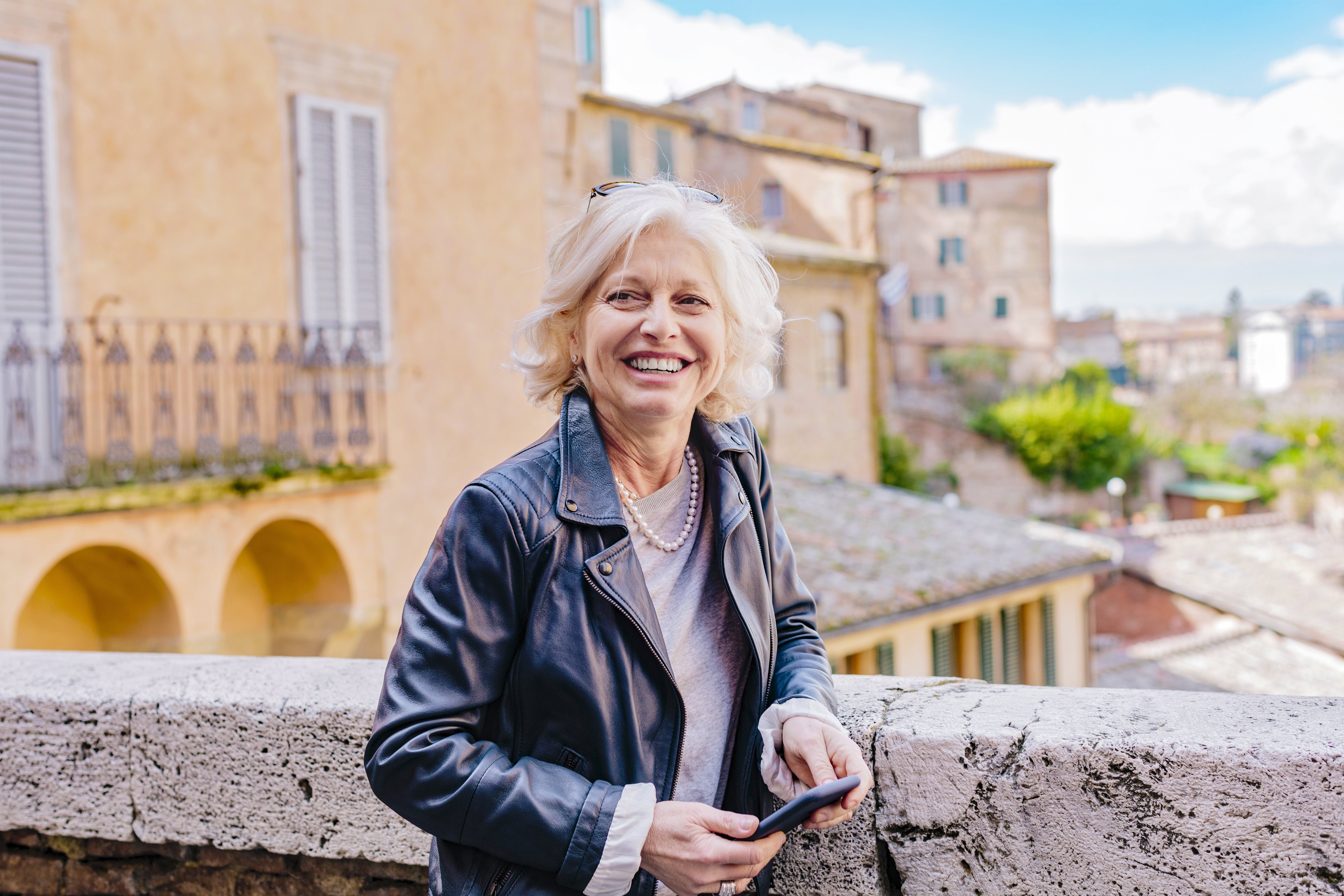
Solo Travel Across Generations
The strongest growth in solo travel comes from women aged 25 to 34, though the trend is expanding across all age groups.
In countries such as Italy and France, nearly one in five solo travellers are aged 50 or above, highlighting how this movement is no longer limited to younger generations.
Ms Flynn said solo travel is also growing among women in midlife. “For many women, particularly at midlife, it’s a moment of rediscovery. They’ve spent years focused on careers or family and now they’re choosing to invest in themselves. Solo travel gives them the space to do that, without compromise,” she said.
Spending habits also vary. Younger travellers often prioritise affordability and flexibility, while those aged between 35 and 49 are more likely to invest in premium experiences, boutique accommodation and curated itineraries.
In some regions, including Southeast Asia and Japan, women now represent the majority of solo travellers, accounting for close to 60 per cent of independent journeys.
Industry data also shows solo travel is not limited to those who are single. Around 20 per cent of travellers choosing solo experiences are in relationships, opting to travel independently to pursue different interests.
“We’re seeing more people in relationships deciding that a solo trip is exactly what they need,” Mr Morgan said. “Rather than compromising, they’re choosing to explore the world in different ways.”