
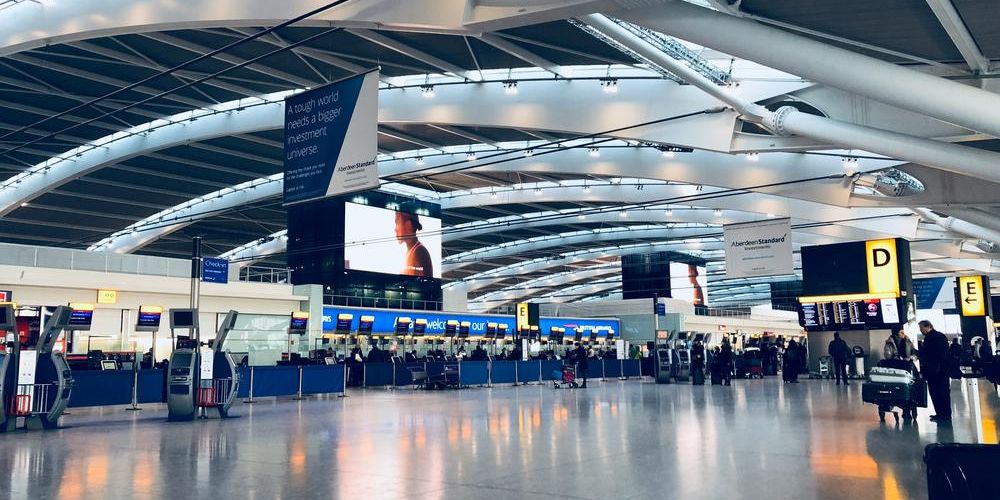
Sydney Airport is celebrating a new record, with 4.57 million international passengers travelling in the first quarter of the year.
That represents 5.8% growth on Q1 2025, the strongest first quarter in the airport’s history.
International performance drove a 3.6 per cent increase in total passenger numbers compared with Q1 2025, with 10.78 million passengers travelling through Sydney Airport during the quarter.
Domestic passenger numbers rose 2.1 per cent compared with Q1 2025, with 6.20 million passengers travelling through the T2 and T3 terminals.
International passenger growth was underpinned by increased airline capacity and sustained demand across Asia-Pacific and major long-haul markets.
This momentum was maintained despite ongoing geopolitical uncertainty in the Middle East from late February.
“This quarter’s record international growth is a great outcome, particularly given the disruption in the Middle East, where many airlines have faced significant operational impacts since late February,” said Scott Charlton, Sydney Airport CEO.
Passenger growth in Q1 2026 was concentrated across a broad range of the airport’s key international destinations, reflecting the strength and diversity of its network.
New Zealand and China were the largest international markets during the quarter, with passenger volumes increasing by 13.5 per cent and 14.0 per cent respectively compared with Q1 2025. Travel to and from Hong Kong also recorded strong growth, up 21.4 per cent.
Passenger volumes on services to and from Kuala Lumpur increased by 32.3 per cent, while services to and from Guangzhou recorded growth of 38.5 per cent.
Travel through Hong Kong, Shanghai and Seoul also increased by 21.4 per cent, 7.6 per cent and 5.7 per cent respectively.
“Growth across China and broader Asia is increasingly supporting travel into Europe, helping to offset softer conditions in parts of the Middle East,” added Mr Charlton.
“This performance reflects resilient demand for travel to and from Sydney and reinforces Sydney Airport’s role as the nation’s primary international gateway.
“From a fuel perspective, the outlook remains stable and consistent with Government guidance. There are no current indications of fuel supply constraints impacting airline planning or near-term operations at Sydney Airport.
“We continue to monitor the situation closely. Everything we have seen so far suggests the aviation market continues to demonstrate adaptability and Sydney Airport is well positioned to support growth as conditions evolve.”





