
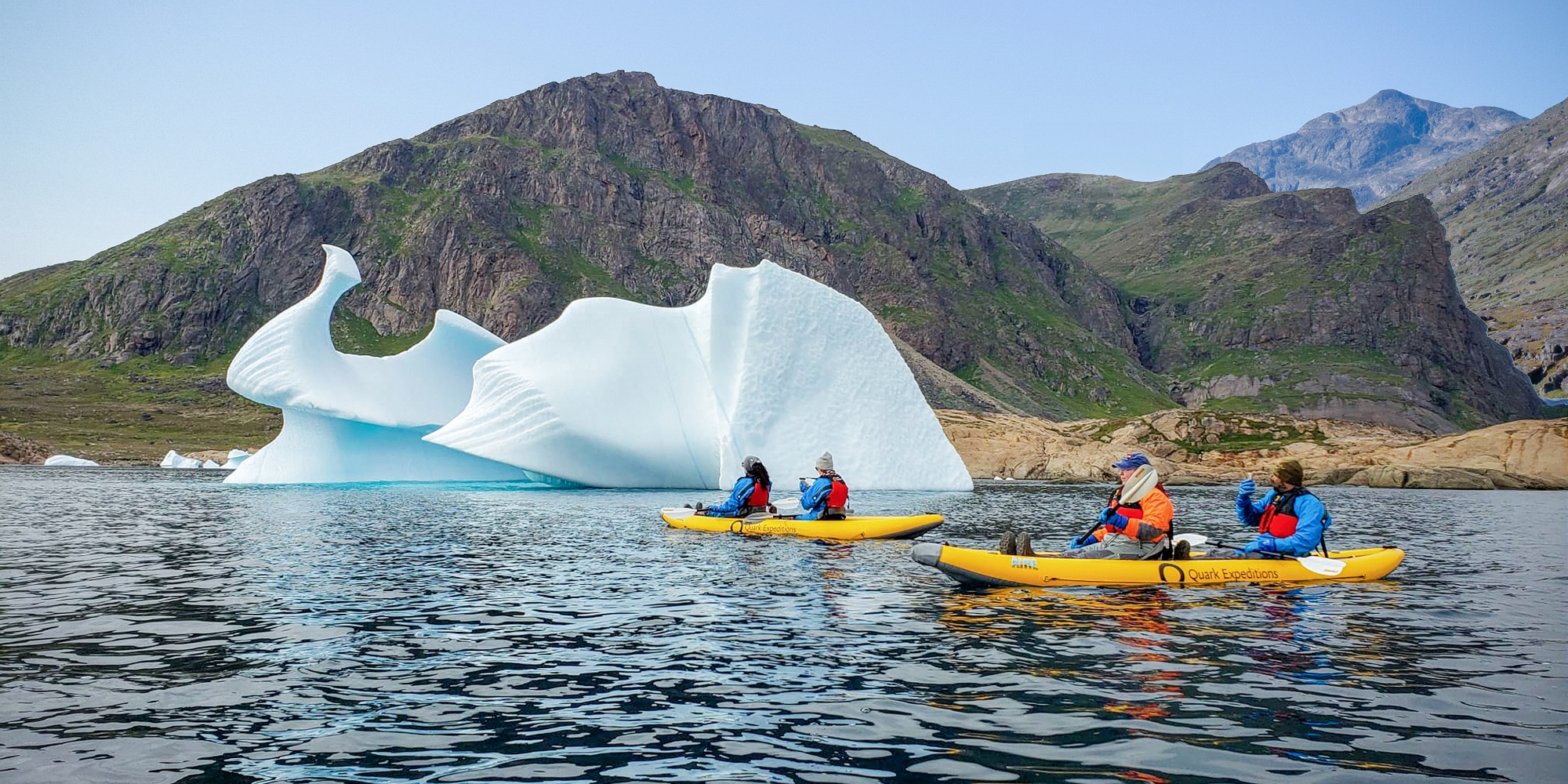
The Arctic has shifted from a once in a lifetime ambition to one of the most talked about regions in expedition travel. Travellers who have already done the Mediterranean summer or crossed Antarctica off the list are now looking north for something quieter, wilder and more elemental.
The appeal is not just about landscapes. Arctic voyages combine wildlife encounters, remote communities, glacial scenery and genuine adventure in ways few destinations can. From polar bear sightings in Svalbard to kayaking beneath Greenland’s ice cliffs, the region offers experiences that stay with people long after they return home.
Here are five reasons why Arctic travel is drawing more attention than ever.
1. Svalbard remains one of the best places on Earth to see polar bears
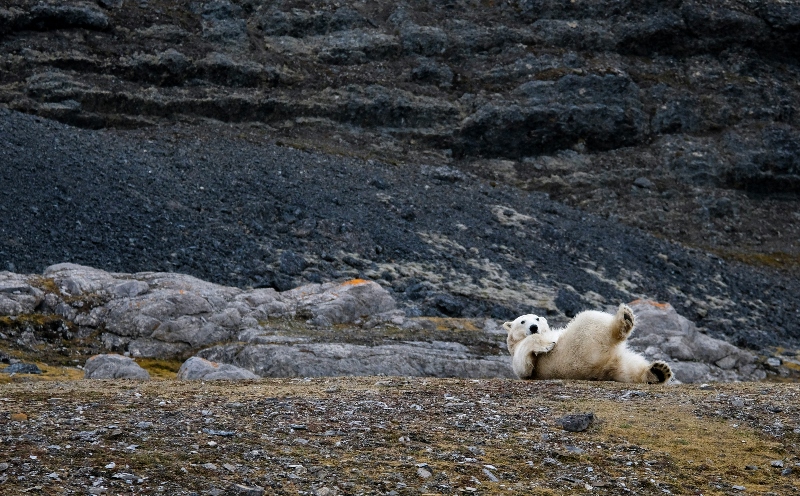
For many travellers, the Arctic begins with Svalbard. Located halfway between mainland Norway and the North Pole, this remote archipelago is one of the most wildlife rich corners of the polar world.
Polar bears are the headline attraction, and sightings here are remarkably frequent during expedition season. Travellers also encounter walrus colonies, reindeer, Arctic foxes and seabird cliffs alive with puffins and guillemots. The scenery shifts constantly between jagged mountains, floating sea ice and vast glaciers spilling into the ocean.
What makes Svalbard especially compelling is how accessible it feels despite its remoteness. Expedition ships can reach isolated fjords and ice edges that would otherwise be impossible to experience. Guests spend their days on Zodiac excursions, guided hikes and wildlife searches while travelling through landscapes that still feel largely untouched.
There is also a strong sense of contrast in Svalbard. Long summer daylight creates an almost surreal atmosphere, particularly during the midnight sun season, when the horizon glows well past midnight.
2. Iceland is preparing for one of the decade’s biggest celestial events
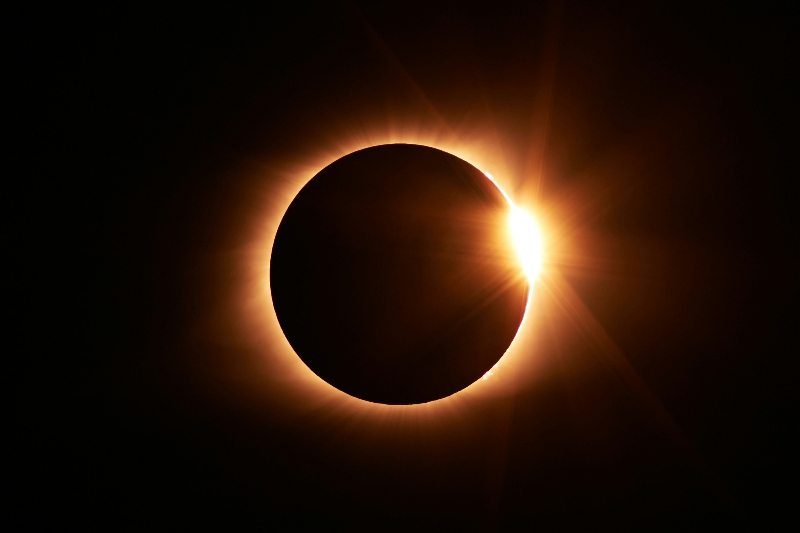
Iceland already attracts travellers for its volcanic terrain, waterfalls and geothermal landscapes, but this year the Arctic region will also become one of the best places to witness a full solar eclipse.
The event is expected to generate enormous interest among travellers and astronomy enthusiasts alike. Expedition voyages positioned in Arctic waters offer a rare opportunity to view the eclipse away from city lights and unpredictable crowds, with the added advantage of mobility to seek clearer skies.
Quark Expeditions has launched two dedicated eclipse voyages for the occasion, including a longer 17 day itinerary that still has availability. These sailings combine the eclipse experience with classic Arctic exploration, creating a journey that goes well beyond a single event.
Even without the eclipse, Iceland works exceptionally well as a gateway into Arctic travel. Travellers can pair dramatic coastal scenery and wildlife viewing with smaller expedition experiences that feel far removed from conventional cruising.
3. Greenland is drawing fresh attention for all the right reasons
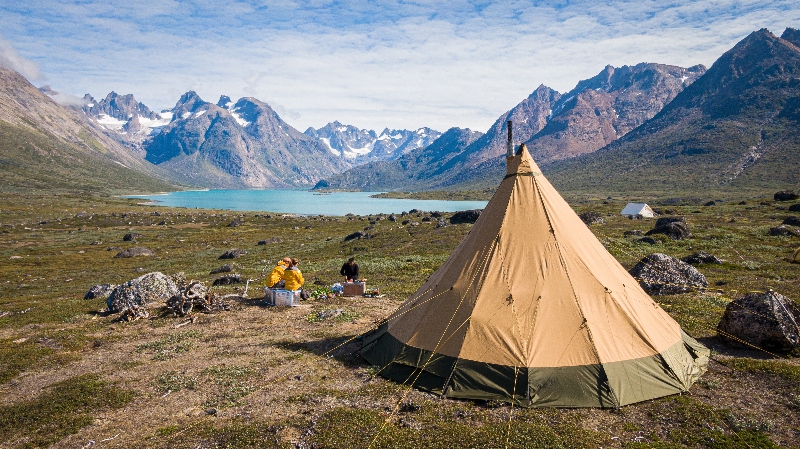
Greenland spent much of the past year in headlines for political reasons, but renewed visibility has also sparked greater interest in the destination itself. For travellers, Greenland offers one of the broadest ranges of experiences anywhere in the Arctic.
On the west coast, visitors encounter colourful settlements, local culture and rich marine life alongside one of the region’s most famous natural landmarks: Ilulissat Icefjord. The UNESCO World Heritage listed site is known for towering icebergs that break away from the Greenland Ice Sheet and drift slowly through Disko Bay.
Southern Greenland delivers something entirely different. Often described as the Patagonia of Greenland, the region combines dramatic mountain scenery with a strong sense of adventure. Alongside Zodiac excursions and paddling, travellers can experience helicopter flights over the ice sheet, camp in remote wilderness areas or even mountain bike through Arctic terrain.
Eastern Greenland is defined by scale. Scoresby Sund, the largest fjord system in the world, cuts deep into the coastline with immense walls of rock and drifting icebergs. Wildlife sightings here can include muskoxen, whales and seabirds, while settlements such as Ittoqqortoormiit provide insight into life in one of the most isolated inhabited places on the planet.
This region is also one of the best places to witness the Northern Lights later in the season, particularly as darkness begins returning after summer.
4. The Arctic offers a different kind of adventure travel
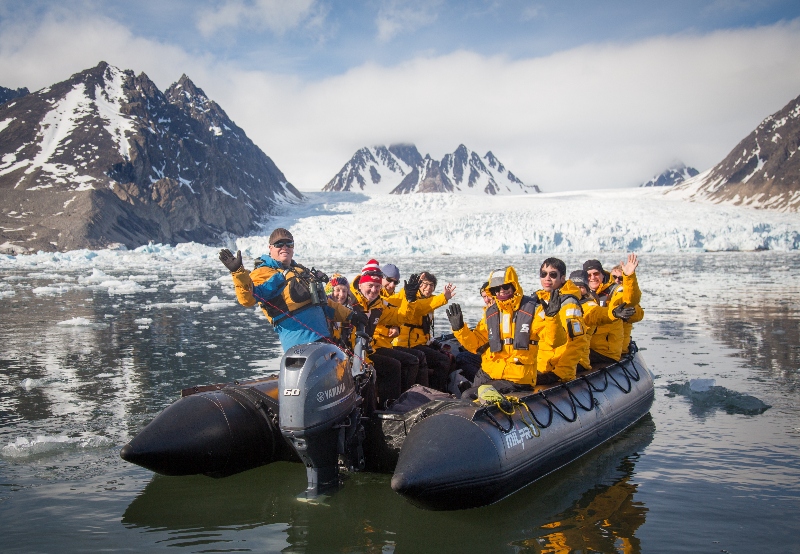
Adventure travel has increasingly shifted away from fast paced itineraries and towards more immersive experiences.
The Arctic fits naturally into that change.Days are rarely scripted in the same way as a conventional cruise. Expedition teams adjust plans constantly according to weather, wildlife sightings and ice conditions. One morning might involve kayaking through glassy water beneath glaciers, while the afternoon becomes an unexpected polar bear sighting from the ship deck.
The experience also feels deeply sensory. Travellers hear glaciers cracking in the distance, breathe air untouched by urban pollution and witness landscapes without roads, crowds or infrastructure. Even simple moments, such as standing silently on sea ice or watching fog move through a fjord, become memorable.
For many guests, this unpredictability becomes part of the attraction. The Arctic rewards curiosity and patience rather than checklist tourism.
5. Historic Arctic routes continue to fascinate travellers
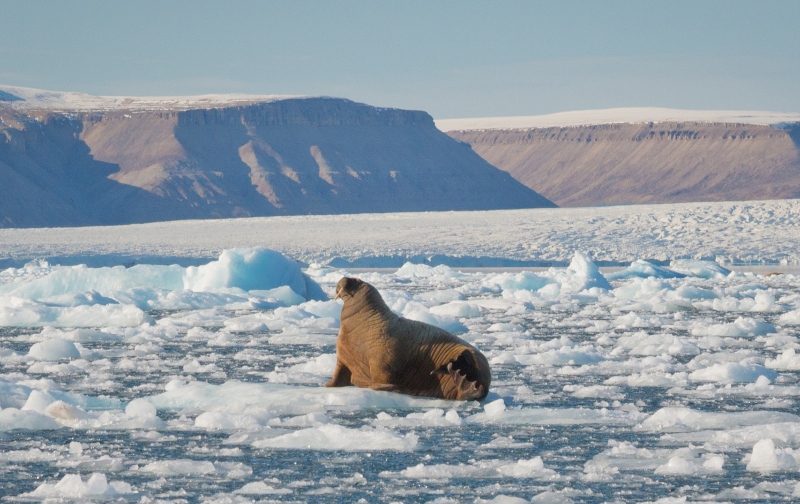
The Canadian High Arctic remains one of expedition travel’s most storied regions, particularly for travellers interested in exploration history.
Voyages through the Northwest Passage retrace the route sought by generations of explorers searching for a navigable connection between the Atlantic and Pacific Oceans. Among the most famous stories is the ill fated Franklin expedition, which disappeared in the Arctic in the mid 1800s while attempting the crossing.
Modern expedition voyages follow parts of that same route through icy channels and remote Inuit communities, connecting travellers with both exploration history and contemporary Arctic culture.
There is a particular appeal here for travellers seeking experiences that feel intellectually rich as well as visually striking. The landscapes are extraordinary, but so too are the stories attached to them.
Why the Arctic feels more relevant than ever
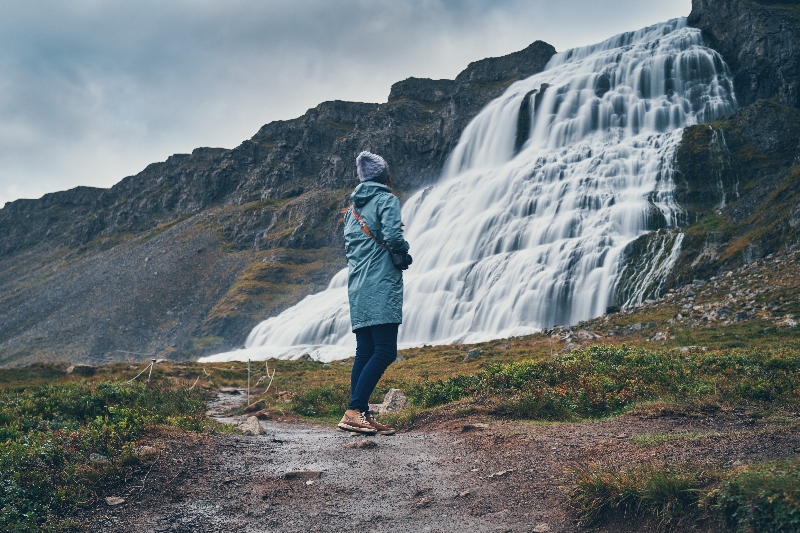
Part of the Arctic’s growing appeal comes from its rarity. These are places many people never expect to see for themselves. But there is also a broader shift happening in travel. Increasingly, travellers are prioritising destinations that feel meaningful, immersive and difficult to replicate elsewhere.
The Arctic delivers all three.
Whether it is spotting a polar bear in Svalbard, standing beneath Greenland’s immense icebergs or witnessing a solar eclipse from Arctic waters, the region offers moments that feel genuinely out of the ordinary. For travellers seeking something beyond the familiar, the far north is no longer a niche destination. It is becoming one of the most compelling journeys in expedition travel.





