
Solo female travel is no longer driven by circumstance. It is increasingly a conscious choice, with women travelling independently to reconnect with themselves, spend time in nature and meet like minded people on their own terms.
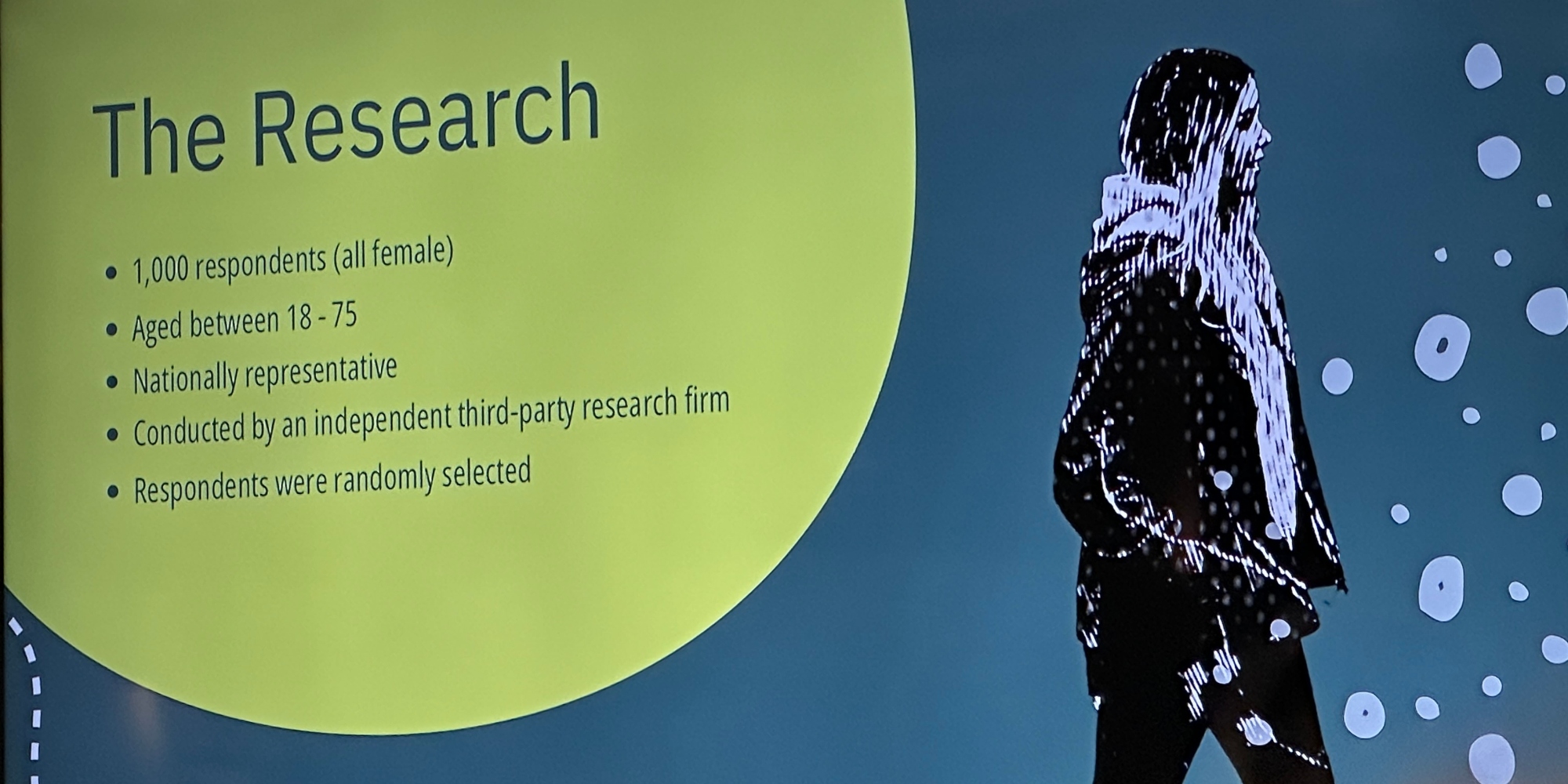
That’s the key finding from Reflections Holidays’ inaugural Wander Woman Report, based on research involving 1,000 Australian women aged between 18 and 75.
The research was commissioned after Reflections recorded a 21 per cent increase in solo travellers across its New South Wales holiday parks, prompting the organisation to better understand what was driving the trend.
“We saw that solo travel was increasing. It was no longer just a little simple niche, it was actually a fully fledged thing,” Reflections Holidays CEO Nick Baker said at the report launch.
“We wanted to understand why women were choosing to travel solo and, more importantly for us, why they were choosing holiday parks.”
The report paints a picture of women seeking restorative travel experiences rather than simply ticking destinations off a list.
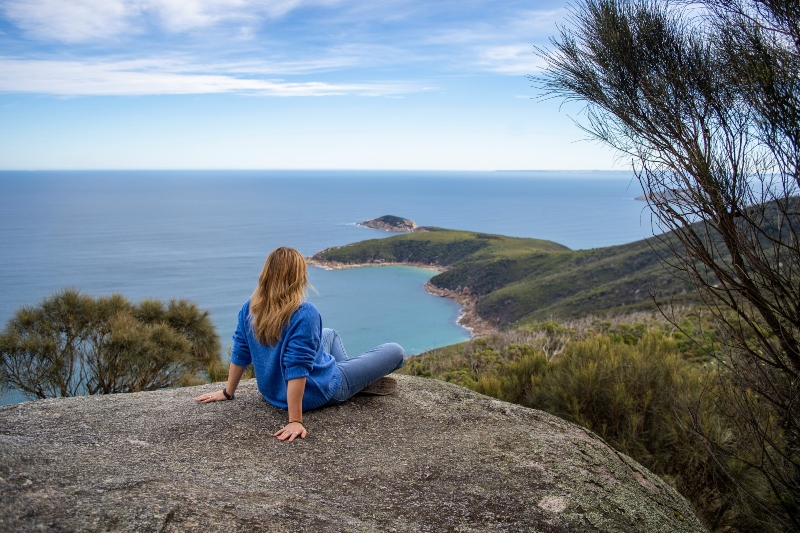 Seventy two per cent of respondents said relaxation and escaping routine were their primary motivations for travelling, while many described wanting a mental reset and an opportunity to reconnect with nature.
According to Baker, the outdoors provides something many traditional accommodation options cannot.
“People find that they want a mental reset. They want to be able to go out there. As soon as you get out there, you feel very differently.”
The report also challenges one of the biggest misconceptions about solo travel.
Rather than seeking isolation, many women are looking for opportunities to connect with others while maintaining their independence.
“This is not about being alone,” Baker said. “It’s a social opt in.”
The findings support that view, with 62 per cent of respondents interested in group activities and 67 per cent seeking active experiences such as hiking, paddleboarding, birdwatching or swimming.
Associate Professor Tamara Young from the University of Newcastle Business School believes the trend reflects broader social changes.
“We’re not just talking about a market segment when we’re talking about solo women travel,” she said.
“We’re talking about a movement of women who are increasingly able to explore the world on their own.”
Young said travel continues to play an important role in personal identity throughout life.
“The reason I’m passionate about travel is how we come to learn about other places and cultures, but more importantly, how we come to learn about ourselves.”
Safety remains one of the biggest considerations.
Nearly three quarters of respondents rated personal safety and security as essential when travelling alone, with clear lighting, visible amenities and supportive staff all contributing to a positive experience.

L to R: Seal Rocks Park Manager Katie Toney, Associate Professor Tamara Young from the University of Newcastle Business School and Nick Baker, CEO of Reflections Holidays
The research is now informing Reflections’ new ‘Wander Woman Welcome’, an initiative designed to provide solo female guests with tailored information about local walks, swimming spots, wellness experiences and community activities.
Rather than creating dedicated spaces, Baker said the focus is on making women feel confident from the moment they arrive.
“What are the things that we’re doing? What are the places to watch the sunrise, have a coffee, go for a swim? We want people to feel they’re not arriving somewhere thinking, ‘What do I do now?'”
For Young, the significance of the research extends well beyond one accommodation operator.
“There’s decades of academic research about solo women travellers, but very little about how the industry can make changes that respond to what women actually want,” she said.
“I’ll be watching Reflections quite closely as I plan my next few trips.”
With women increasingly choosing independent travel at every stage of life, from recent school leavers to retirees, the Wander Woman report suggests the movement is only just beginning.





