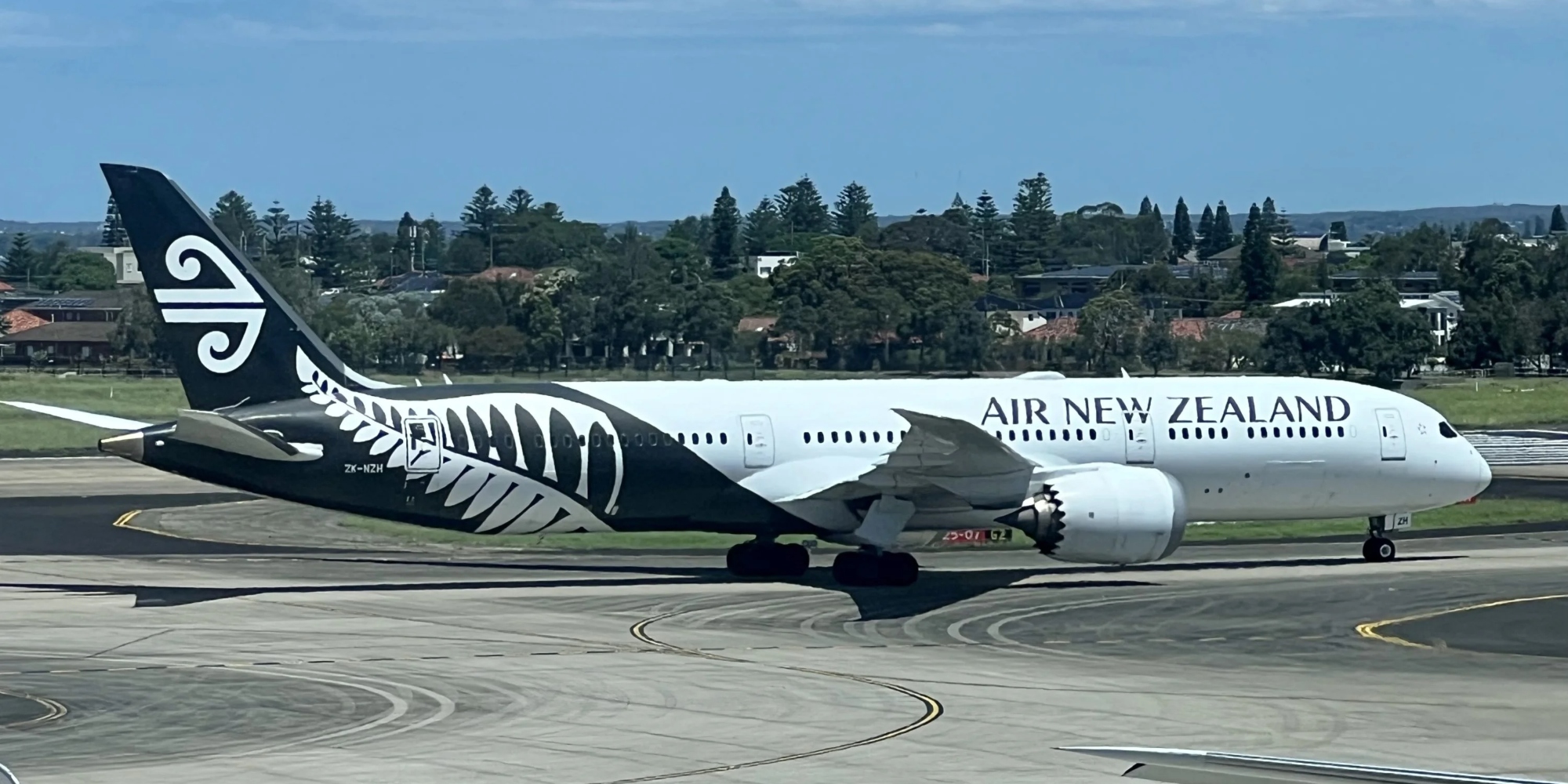
Air New Zealand has reported a loss before taxation of $336 million for the 2026 financial year, as higher fuel prices, engine availability issues and rising aviation and maintenance costs impacted the airline.
The result compared with earnings before tax of $164 million a year earlier.
The net loss after taxation was $242 million, while total revenue increased 3.9% to $7.0 billion and passenger revenue rose 4.8% to $6.1 billion.
A sharp increase in jet fuel prices following conflict in the Middle East was one of the largest pressures. The airline estimated the impact on its pre-tax result at $135 million after hedging, fare adjustments and capacity reductions.
Continuing issues affecting Rolls-Royce Trent 1000 and Pratt & Whitney PW1100 engines contributed an estimated $190 million through lost capacity, leasing and engine costs and lower fleet utilisation.
Maintenance costs also increased by $139 million excluding foreign exchange, while aviation system charges across New Zealand and international ports reached $1.2 billion, up $142 million on the previous year.
Nikhil Ravishankar, Air New Zealand CEO, said the airline had responded to the pressures with fare and capacity changes while improving operational performance.
“It’s been a very challenging year for aviation and our financial result reflects these challenges,” Mr Ravishankar said.
“After several years of disruption, the engine challenges that have constrained our network are now substantially behind us.
“There are still residual risks and costs to work through, but we enter 2027 in a considerably more reliable fleet position.”
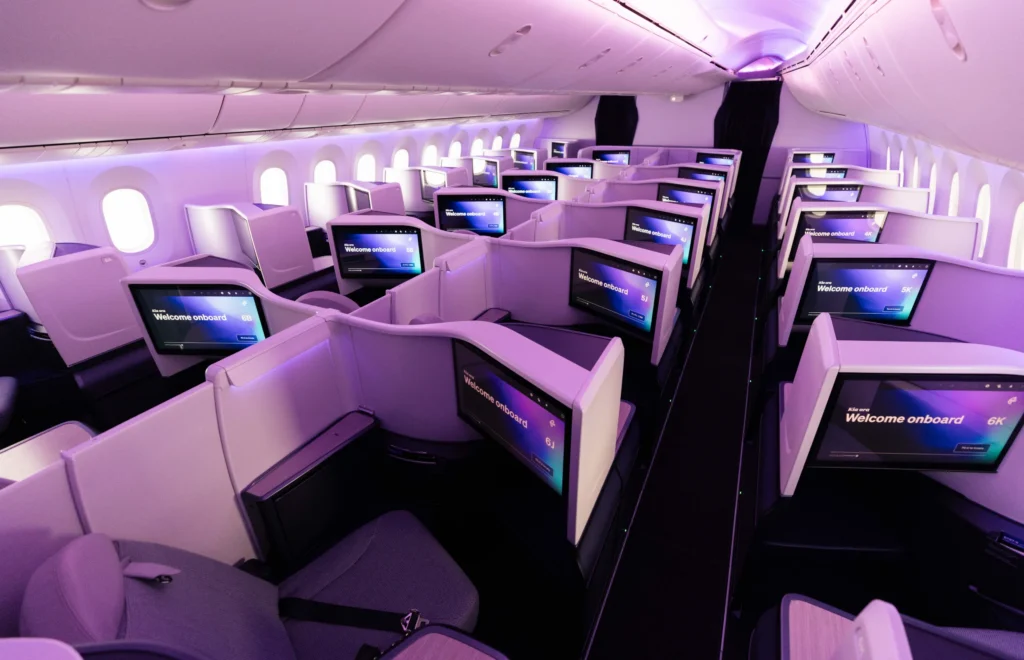
On-time performance improved from 77.5% in 2025 to 84% during the second half of 2026. Nine of the airline’s 14 Boeing 787s have also received new interiors, with the remaining aircraft expected to be completed by November.
Air New Zealand expects the 2027 financial year to be a transition and recovery period but has not provided earnings guidance because of uncertainty around fuel prices and the Middle East conflict.
The airline said forward inbound bookings into New Zealand remained encouraging, while its new Te Pae Hou strategy will focus on customer service, targeted growth and building a more resilient cost base.