New research has claimed that Australians are actually returning from holidays more exhausted than when they left.
The study showed that 78 per cent of Australians have gone to work stressed, burnt out or mentally exhausted, while 64 per cent have needed a holiday from the holiday, returning home more tired than when they left.
Forty one per cent feel guilty doing nothing on holiday, rising to 63 per cent among Gen Z.
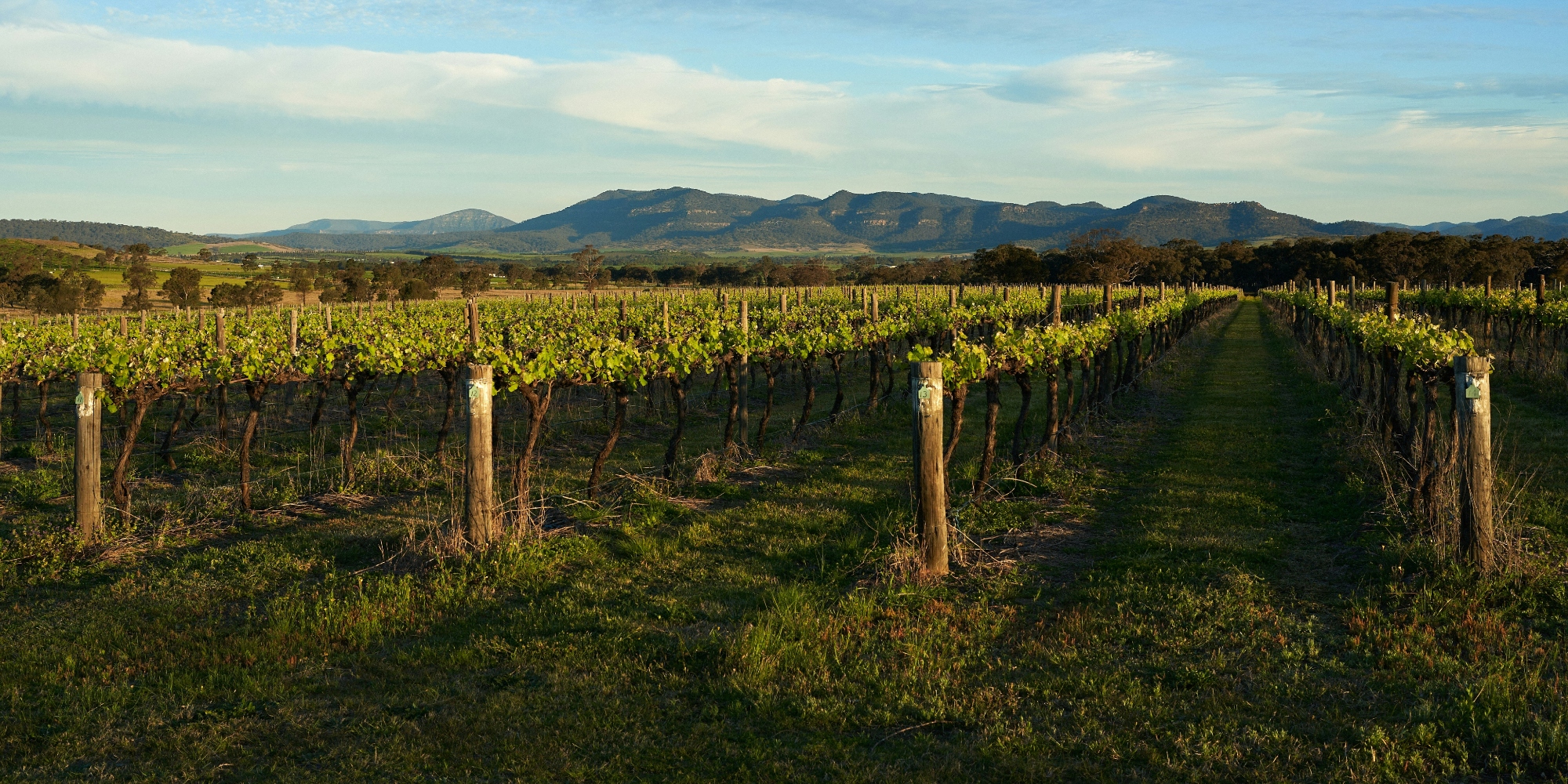
In response to the findings, Mudgee Region Tourism has launched Australia’s first ‘Rest Rebate’, a neuroscience-backed initiative rewarding visitors for staying an extra night and properly switching off.
Twelve participating properties across Mudgee, Gulgong, Kandos and Rylstone are offering weekend travellers a complimentary Sunday night extension, turning a standard weekend into a longer, more restorative stay.
Beau Kassas, Mudgee Region Tourism Chief Marketing Officer, said the campaign aimed to change our travel mentality.
“By removing the cost of the extra night, the Rest Rebate is removing one barrier that often stops us from extending our stay and truly switching off. By focusing on the peace that comes with a slower pace, we aim to change the way Aussies travel,” Mr Kassas said.
Clinical psychologist Dr Maria-Elena Lukeides provided the neuroscience framework behind the campaign, explaining why a longer stay matters for genuine recovery.
“The always-on state isn’t just exhausting, it actively blocks the brain from recovering. When we’re stressed, our bodies produce adrenaline, which is incompatible with oxytocin, the chemical responsible for connection, bonding and restoration. The brain needs time, more time than most people give it, to make that shift,” Dr Lukeides said.
The Rest Rebate includes participating properties Evamor Valley, Perry Street Hotel, The Horatio Mudgee and Wandarra Homestead.
“In an always-on world, towns like Mudgee, Gulgong, Kandos and Rylstone aren’t just a nice escape – we’re part of the solution. The Rest Rebate is how we make that case,” added Mr Kassas.
The research was done from a nationally representative survey of 1,018 Australians.