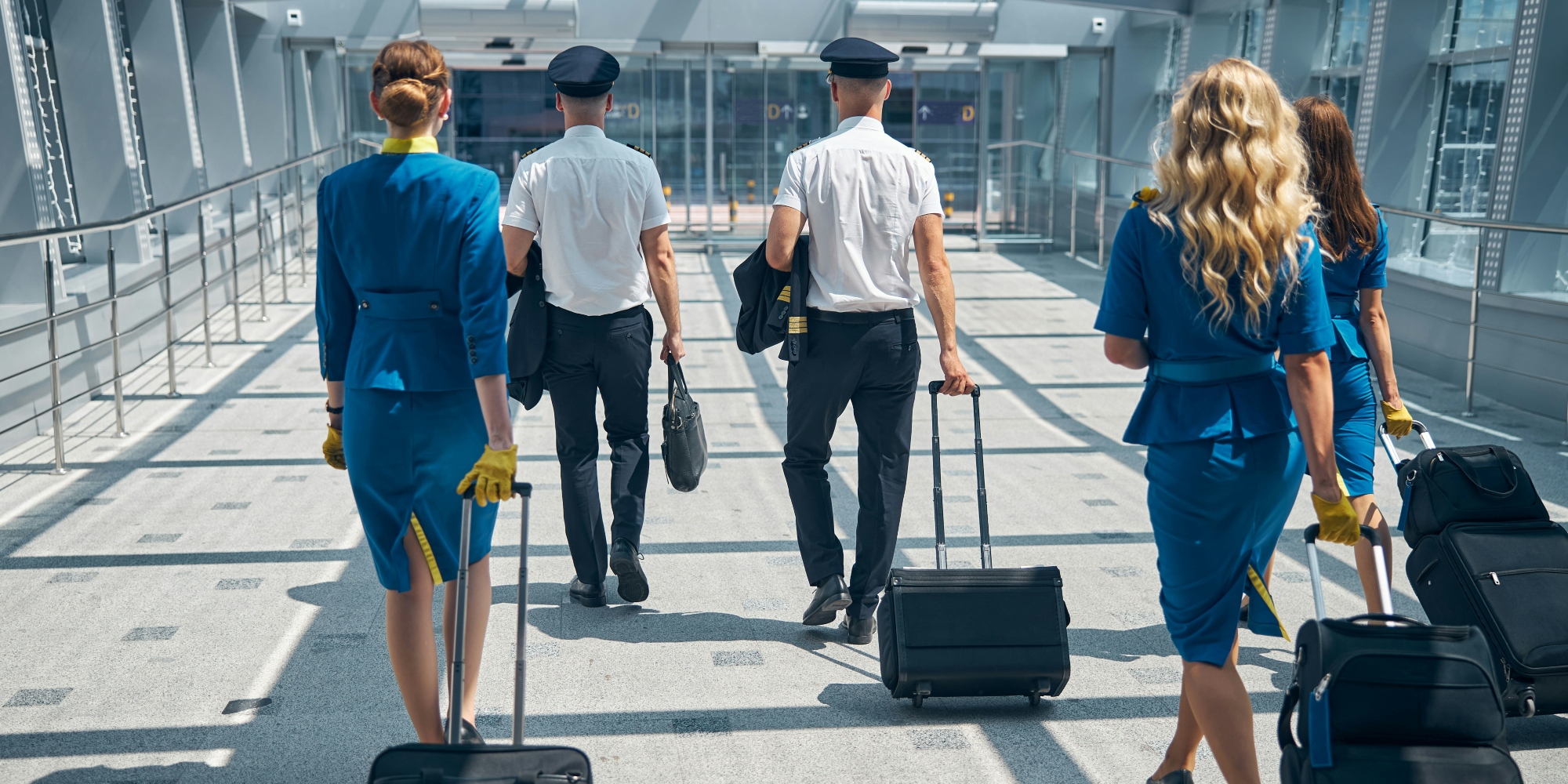
Cabin crew interviewed by The Guardian have shared some of the strangest, most confronting and occasionally revolting behaviour they have witnessed while working onboard commercial flights.
Alcohol remains one of the biggest sources of trouble, particularly on summer services to party destinations. One flight attendant said British passengers “drink like they’ve never drunk before”, with some treating the aircraft cabin more like a nightclub than a form of public transport.
Crew reported being propositioned, asked for their Instagram details and subjected to unwanted touching. One attendant said a passenger used the name on a colleague’s badge to track her down on social media after the flight.
The problem extends well beyond inappropriate flirting. Research by the Unite union found 34 per cent of women surveyed had experienced sexual assault at work, while 55 per cent reported being touched inappropriately. The figures included airline ground staff as well as cabin crew.
Meanwhile, vaping has created a new category of inflight misconduct. Despite repeated warnings, passengers continue to believe they can secretly vape inside aircraft toilets without activating the smoke detector.
In one particularly unusual incident, a crew member confronted a man after a toilet alarm sounded and allegedly found him holding a vape. The passenger denied using it, prompting his girlfriend to suggest the alarm had been activated “by farting”. Police arrested the man after the aircraft landed.
Toilet related dramas did not end there.
One father reportedly became angry when his child was prevented from using the bathroom at an unsafe point in the flight. He instructed the child to urinate into a bottle, then threw the filled bottle towards cabin crew while leaving the aircraft. Another passenger became so furious about being denied access to the toilet that he urinated on the cabin door.
The accounts also reveal why seemingly simple instructions can quickly create conflict. Cabin crew must ensure passengers remain seated during takeoff, landing and turbulence because anyone standing could be seriously injured. However, repeated requests to sit down can produce arguments, abuse and an atmosphere one attendant compared to the military.
Even relations between crew members are not always calm. One attendant recalled being summoned to separate two senior cabin crew who were fighting, biting and scratching each other during a flight. The pair had to be kept at opposite ends of the aircraft.
Pressure to sell inflight products can also cause tension, particularly where crew receive commission. One cabin manager was reportedly so focused on selling perfume that the pilots were forced to abort a landing and perform a go around because the cabin had not been secured in time.
Behind the more extraordinary stories is a job crew say is physically and emotionally demanding. Early starts, late finishes, repeated takeoffs and landings, jet lag and long hours inside a pressurised cabin all take their toll.
Fast turnarounds can make matters worse, with some airlines reportedly aiming to have aircraft back in the air within 25 minutes. That leaves little time to deal with the dirty nappies, discarded food and badly soiled toilets passengers sometimes leave behind.
While most travellers behave perfectly well, the revelations are a reminder that flight attendants are not simply there to serve drinks and demonstrate seatbelts. They are safety professionals expected to manage medical incidents, intoxicated passengers, harassment, arguments and almost every variety of bad behaviour imaginable.
And sometimes, apparently, they also have to explain that flatulence does not set off an aircraft smoke alarm.