Social media posts of tourists behaving badly are influencing young traveller’s actions and itinerary choices, research from The University of Queensland has found.
Bali was used as a case study exploring the relationship between a destination’s image and young tourists acting dangerously in a bid to create strategies to keep people safe.
PhD candidate Yufan Liu from UQ’s Faculty of Business, Economics and Law said young tourists were more likely to take risks when they connected with content shared by social media influencers, which evoked emotion or inspiration.
“Young travellers don’t take risks just because they saw a pretty destination photo or a daring influencer video,” Ms Liu said.
“It’s a layered psychological process that increases their willingness to take risks.
“When they see influencers jumping from high cliffs or getting intoxicated, they act as social models who normalise risk from a ‘hazard’ to an ‘experiential opportunity’.
“When they see surfing videos in Bali or Schoolies clips, they may feel a sense of freedom, see the place as exciting and think ‘people like me would try this there’.”
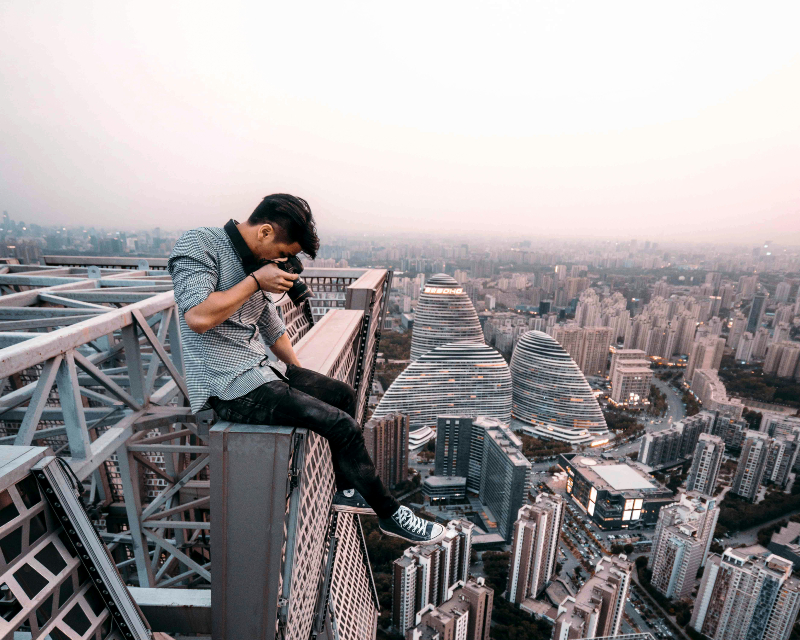 Ms Liu said previous studies suggested tourists were attracted to destinations portrayed as safe and positive environments, but this was not the case for younger demographics who were more likely to chase risk.
“Images of tourists misbehaving or taking dangerous risks can negatively affect the safety of residents and the reputation of these destinations, while also being a drawcard for those seeking stimulation and self-development,” Ms Liu said.
“This can create a cycle where risky behaviour becomes part of the destination’s identity for young tourists and begins to attract tourists wanting to engage in illicit or chaotic activities.
“This trend has raised concern in hotspots worldwide with locals in Amsterdam, Italy and Bali reporting negative impacts from tourists’ dangerous antics.”
Ms Liu said despite social media’s influence, surprisingly messages from official tourism bodies had greater impact.
“We think this is because young travellers see destination marketing organisations as more credible and trustworthy,” Ms Liu said.
“When a Destination Marketing Organisation (DMO) shows high-risk activities, those cues feel more ‘real’ and more meaningful, which makes the risk message have a stronger impact than the same content shown by an influencer.”
She said there was an opportunity to keep tourists safe and reduce the impact on locals if influencers and DMOs worked together.
“Instead of promoting safety in a formal way, they can embed safety cues into exciting, real travel stories,” she said.
“If the thrill is shown with boundaries, and both influencers and DMOs reinforce that message, young travellers gain a realistic understanding of what is safe and what crosses the line.
“When safety is framed as part of the fun rather than a strict warning, young travellers are much more likely to pay attention.”