Dubai is increasingly becoming a destination in its own right for Australian travellers, with longer stays and growing awareness of the city’s diverse experiences changing the way visitors use the Emirate.
Shahab Shayan, Dubai Economy and Tourism (DET) Regional Director for APAC, said Australian visitors are no longer simply passing through on their way to Europe, with average stays increasing significantly over recent years.
According to DET, Australians now stay an average of four-and-a-half days in Dubai, compared with around three days several years ago.
Many visitors are extending their holidays to between one and two weeks as they explore more of the destination.
“We’ve actually become not just a stopover destination but a point to point destination for Australians and we’re very proud of that,” Mr Shayan said.
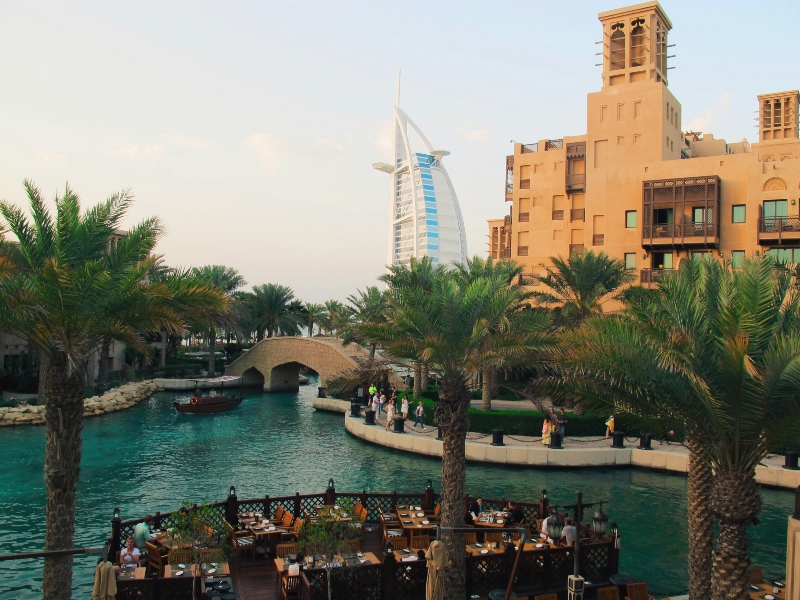 He believes much of that shift has come from travellers gaining a better understanding of Dubai’s tourism offering beyond luxury hotels.
The city now offers more than 850 hotels and around 155,000 rooms, with a broad mix of three-, four- and five-star accommodation located close to major attractions.
When asked what first time visitors should prioritise, Mr Shayan recommended beginning in Downtown Dubai.
The precinct combines Dubai Mall, the Burj Khalifa, Dubai Fountain and Time Out Market, where visitors can sample local restaurant concepts under one roof.
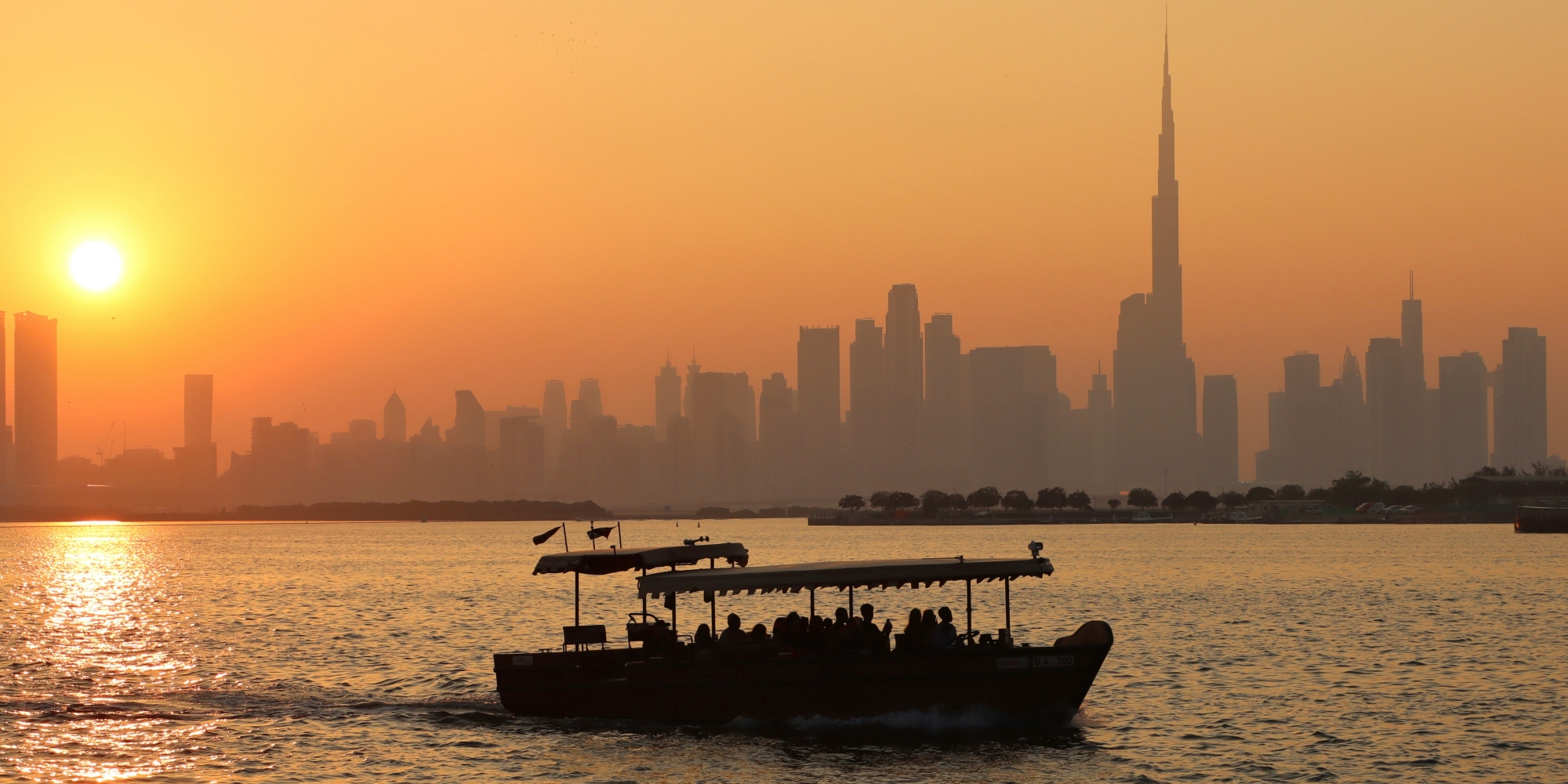
For those looking to balance modern Dubai with its heritage, he suggested continuing to the Al Fahidi Historic District, where visitors can explore the traditional neighbourhoods, ride an abra across Dubai Creek and browse the Gold Souk and Spice Souk.
“I think it’s important, especially if it’s your first time coming to Dubai, because a lot of times people just look at the shiny, the glitz and glamour, and they sort of forget about what we also have to add from a soul perspective and cultural perspective,” Mr Shayan said.
Mr Shayan said Australian travellers are particularly drawn to experiences, something Dubai is well positioned to deliver.
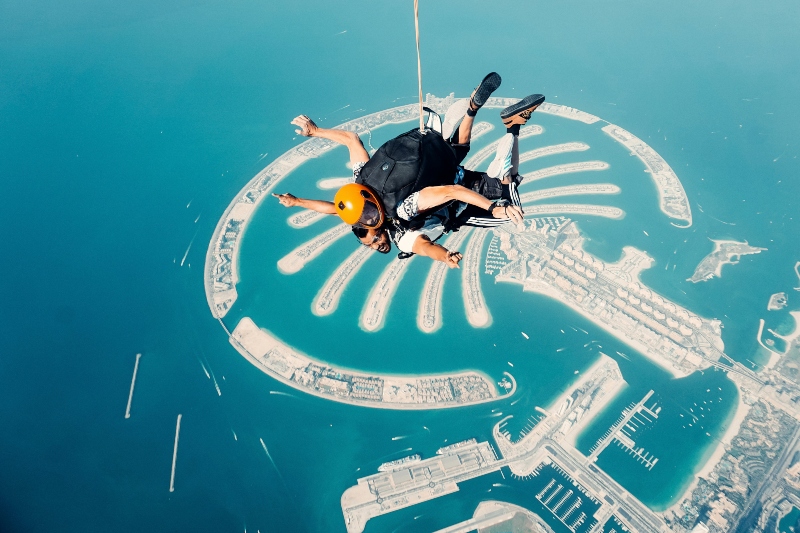
Adventure activities including desert safaris, hot air balloon flights and skydiving continue to prove popular, alongside the city’s growing range of water sports and extensive network of free public beaches equipped with restaurants, showers and visitor facilities.
 Food also remains a major drawcard, with approximately 13,000 dining venues across the city catering to every budget and cuisine.
For Australian travel advisors, the growing length of stay presents an opportunity to rethink how Dubai is packaged.
Rather than simply adding a short stopover en route to Europe, agents can build standalone Dubai itineraries or encourage clients to extend their stay and explore both the city’s modern attractions and its cultural heritage.