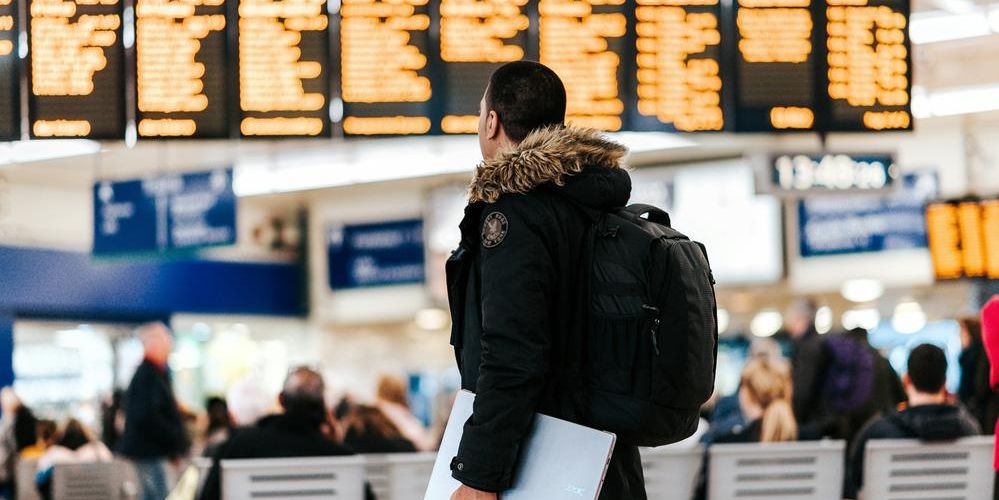
For thousands of Australians with long awaited trips to Europe, the Middle East conflict is now the reason itineraries keep changing, fares keep climbing and travel times keep stretching out.
In recent days the focus has moved from emergency repatriation to living with rolling disruption. Official advice has toughened, flight patterns have been redrawn and many travellers are discovering their plans are affected even when they were never planning to set foot in the region.
‘Do not travel’ now includes transit
Australia’s latest official advice goes beyond warning against holidays in the Middle East. Australians are now urged not to travel to or transit through key countries in the region, including major Gulf hubs.
Even if you do not leave the airport, authorities warn that airspace can close at short notice, flights can stop suddenly and borders can shut with little warning, leaving passengers stranded in transit lounges with no clear way home. This matters because Dubai, Doha and Abu Dhabi have long been the backbone of Australia’s connections to Europe, Africa and parts of Asia.
Europe feels the shockwaves
The impact is being felt well beyond the conflict zone. Airports across Europe have faced large numbers of cancellations and delays as airlines juggle longer routings, crew duty limits and aircraft in the wrong place. At major hubs, airlines have cancelled or delayed services while they rework schedules around closed or restricted airspace, and some have temporarily suspended flights into affected Gulf hubs.
For Australian travellers this can mean extra stops, longer flying times, missed connections and in some cases being rebooked days later than planned, with some routes now taking well over an hour longer as aircraft detour around restricted skies.
In the early days of the crisis the priority was getting people out of the region and repositioning aircraft. Now Australians with trips later in the year are weighing up whether to cancel, reroute via alternative hubs or wait and see if conditions improve. Universities, corporates and large organisations are updating their internal rules, with some banning staff travel via higher risk transit points while warnings remain in place. Travel insurers are also drawing lines, with several treating the conflict as a known event and limiting cover for disruption directly tied to the crisis, especially for trips that still rely on banned transit hubs.
What Australian travellers should do now
For those with tickets already in hand, experts stress three practical steps.
First, avoid rerouting yourself through Middle East hubs just to chase a cheaper fare or shorter connection, because even transits carry heightened risk and could leave you stranded if airspace closes again.
Second, stay in close contact with your airline or travel advisor, as schedules are changing frequently and some carriers are offering waivers or free date changes on affected routes.
Third, keep your details updated with official registration services if your itinerary takes you anywhere near higher risk regions, so consular teams have a starting point if conditions deteriorate quickly.
For travellers still in the Middle East, the message remains that if commercial flights are available and it is safe to reach the airport, they should not wait. Seats are limited, schedules can change overnight and there is no guarantee that government organised flights will be offered again if the situation worsens.
What has become clear over the past week is that this is not a short lived disruption that can be solved with a simple date change.
The combination of conflict, airspace closures and knock on delays in Europe is creating a more fragile and unpredictable global network for the months ahead.
The safest approach is to accept that flexibility is now part of the journey, build longer connection times into itineraries, avoid high risk hubs, stay close to official advice and work with trusted agents and insurers who can help when plans change at short notice.