For cruise passengers caught up in the Middle East conflict, a dream holiday turned into a surreal mix of emergency alerts and onboard entertainment that stubbornly went on.
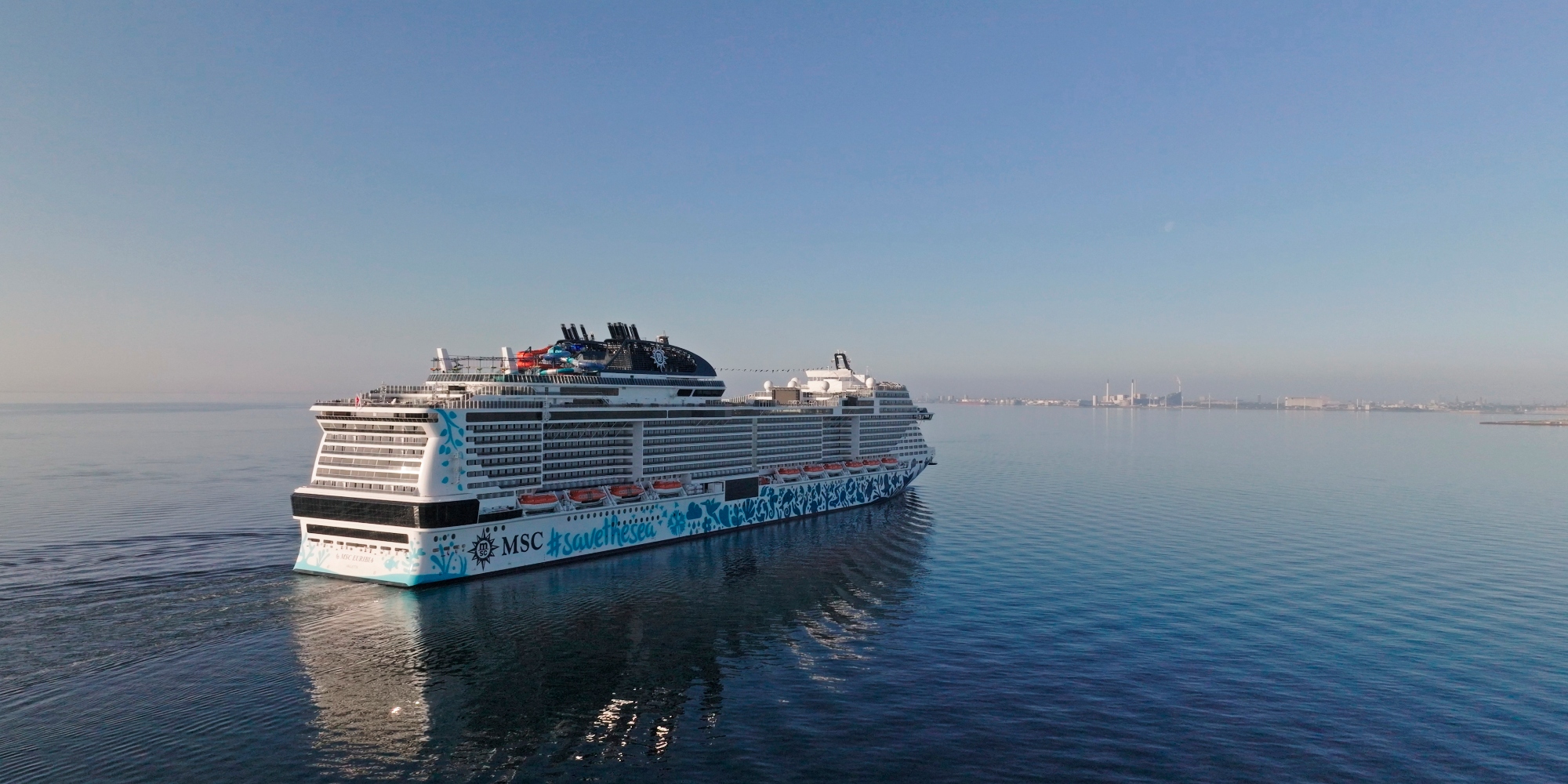
Passengers on MSC Euribia in Dubai described being jolted awake by shrill phone alerts warning of potential missile threats and urging them to seek shelter in the nearest secure building.
All they could see from cabin windows were the lights of Dubai’s port and a still, silent ship that suddenly felt very exposed. Hours later, Captain Paolo Benini confirmed what many had already pieced together from the news: tensions had spiked, the ship would not be sailing as planned, and nobody knew when it would be safe to move.
For guests who had boarded expecting a week of smooth Gulf and Red Sea sailing, it quickly became less about ports and excursions and more about how, and when, they would get home.
On board, cruise lines responded by doubling down on calm communication and routine. Passengers recalled the captain addressing them in multiple languages each evening, stressing that the vessel was in constant contact with local authorities and that port security was being closely monitored.
Written updates arrived in cabins explaining that while the ship was fully operational, airspace closures and security concerns in the Gulf meant there was no safe or practical way to leave.
Against this backdrop, normal cruise life carried on in strange, sometimes jarring ways. Bars stayed open, restaurants served on schedule and shows continued, including a themed white party where guests danced under the stars while fighter jets and distant explosions occasionally punctured the night.
“Place was bouncing,” said UK cruisers Lesley and Stephen Ballantyne, who told CNN that the shared strange situation was bringing people together, even though trying to enjoy festivities while hearing missiles was “very surreal” and stirred “mixed emotions”.
Accounts from stranded guests spoke about a pendulum swing between fear and boredom. There were long stretches where it felt like any regular sea day, with trivia in the lounge and queues at the buffet, only for anxiety to spike again when jets roared overhead or new government alerts buzzed on phones.
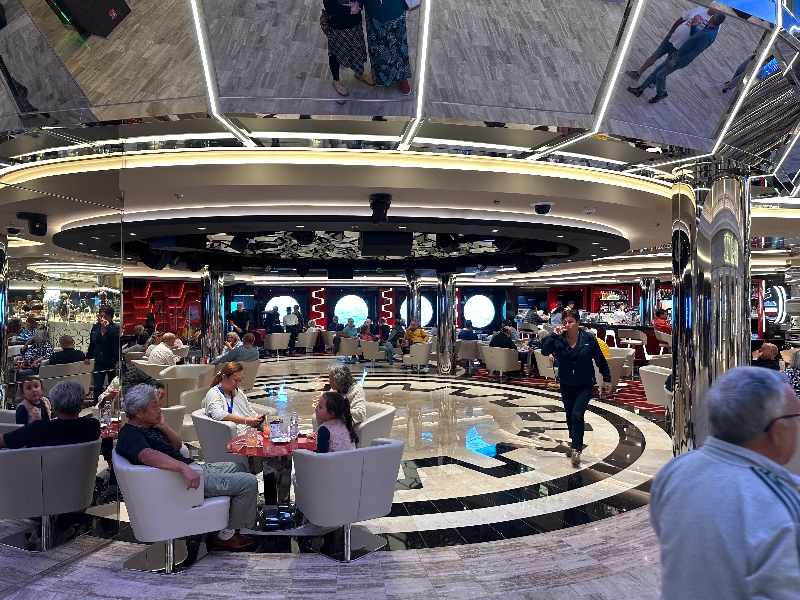
Some passengers said they felt safer staying on a large, well resourced ship than heading into the city, given the uncertainty on shore and the rapidly shifting picture.
At the same time, there was a shared awareness that others in the region were facing far worse, and a sense among many that there are no winners in war, even as they tried to salvage something from a disrupted holiday.
The strange camaraderie of being stuck together brought people closer, from impromptu conversations about news updates to quiet moments on deck where guests watched distant flashes on the horizon that should never be part of a cruise itinerary.
There is still no simple escape route, but the picture is shifting as repatriation efforts ramp up. Airspace restrictions mean cruise lines cannot simply sail to another port and charter planes, and the heightened risk in the Strait of Hormuz continues to rule out repositioning ships by sea until conditions change.
As of today, the cruise lines have managed to fly large numbers of guests out of Dubai and begun overland transfers from Doha, with some passengers still on MSC Euribia and Celestyal Journey as repatriation continues and operators work with airlines and authorities on further options in a fluid situation.