
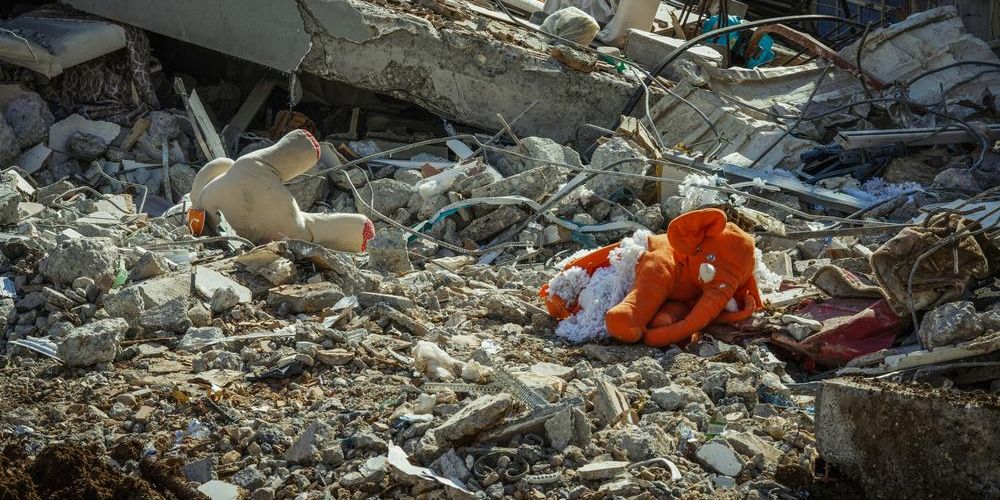
A powerful earthquake has struck near Bali, sending shockwaves through the popular tourist destination and prompting emergency responses across the region.
The quake, which hit in the early hours of this morning, was felt widely across the island and in neighbouring parts of Indonesia. The epicentre was in the Sumba region, some 200km southeast of the island of Bima.
Indonesia’s meteorology and geophysics agency, BMKG, reported that the tremor measured a magnitude of 6.2 and originated offshore, raising initial concerns about a potential tsunami. However, authorities later confirmed that no tsunami warning remained in place.
Residents and visitors described scenes of panic as buildings shook violently, forcing many to flee hotels, homes and resorts.
In major tourist hubs such as Denpasar and Kuta, people gathered in open areas, some still in sleepwear, as aftershocks continued to ripple through the region.
Local authorities have confirmed injuries and damage to infrastructure, although the full extent is still being assessed.
Several buildings reportedly suffered structural cracks, while some older structures partially collapsed. Emergency services have been deployed to affected areas, with search and rescue teams working to ensure no one remains trapped under debris.
Indonesia’s disaster mitigation agency, BNPB, said teams are prioritising densely populated and tourist-heavy zones.
Hospitals have been placed on high alert and temporary shelters are being set up for those displaced by the quake.
Air travel has also been affected. Operations at Ngurah Rai International Airport experienced delays as safety inspections were carried out on runways and terminal buildings.
Airport authorities have since resumed limited operations, though passengers are being advised to check with airlines for updates.
Bali, part of the seismically active “Ring of Fire,” is no stranger to earthquakes, though strong tremors capable of causing widespread disruption are relatively rare on the island itself.
Experts say the region’s complex tectonic setting makes it vulnerable to sudden seismic events.
Authorities are urging residents and tourists to remain cautious, avoid damaged buildings and stay informed through official channels.
While the immediate tsunami threat has passed, aftershocks remain a concern and could cause further damage.
Officials say recovery efforts will focus on restoring essential services and ensuring the safety of both locals and the thousands of international visitors currently on the island.





