SASKATCHEWAN, MANITOBA & ONTARIO
Central Canada stretches from the wide prairie skies of Saskatchewan and Manitoba to the river landscapes of Ontario. Saskatchewan and Manitoba share big horizons, strong seasons and deep Indigenous histories, while Ontario blends classic Canadian nature with an easy connection to city life.


Saskatchewan and Manitoba span prairie grasslands, boreal forest and countless lakes that invite hiking, paddling and wildlife watching. Long trails, quiet northern waters and protected areas such as Riding Mountain and Prince Albert National Parks reveal bison, bears and elk, while Indigenous led experiences share local knowledge and stories. Hot summers and crisp winters see the same landscapes shift from paddling and camping to skiing and snowshoeing.
Ontario blends nature with city living across its river, lake and forest landscapes. Cycling paths, the Rideau Canal, and the nearby Greenbelt connect urban life with the outdoors, while Indigenous sites and guided experiences link outdoor adventures with the deeper story of the land.
Winter in central Canada is long, bright and bracing, ideal for travellers who enjoy crisp air and big skies. Saskatchewan and Manitoba turn forests, lakes and prairie into frozen playgrounds for cross country skiing, snowshoeing, ice fishing and northern lights viewing, often enriched by Indigenous led experiences and winter festivals.
Ontario offers an easy embrace of winter, from skating along the Rideau Canal and exploring snowy trails in Gatineau Park to discovering frosted lakes, ski resorts and forest paths across the province. Days are made for winter adventures, while nights invite warmth in cafes, museums and lively neighbourhoods.

Saskatchewan’s winter is made for explorers who like big skies, quiet trails and a warm base to come home to at night.
Around Prince Albert National Park you can snowshoe through old growth forest on routes like the Treebeard area trails, ski across frozen lakes and watch for wolf and elk tracks, then warm up in Waskesiu at stays such as Hawood Inn or lakeside cabins at Kapasiwin Bungalows, with nearby Elk Ridge Resort offering more winter comforts and access to groomed trails and skating.
Farther south and east, parks such as Echo Valley Provincial Park and Pike Lake roll out forest and lakeside skating loops and family friendly snowshoe routes as part of the Sask Parks winter program, with additional cross country skiing in destinations from Cypress Hills to Duck Mountain.
For a winter wellness angle, Temple Gardens Hotel and Spa in Moose Jaw pairs naturally heated mineral pools and spa facilities with easy day trips to local river paths and nearby parks, giving travellers a simple rhythm of fresh air, movement and restorative soaks.
Ontario’s winter experiences combine outdoor movement with cultural celebration. In Ottawa, Winterlude brings the season to life with snow sculptures, outdoor events and a shared sense of joy in the cold. Skating along the Rideau Canal, the world’s largest naturally frozen skating rink, is a rite of passage for outdoor travellers, offering kilometres of ice framed by historic architecture.
Beyond the city, ice fishing on frozen lakes provides a slower, deeply Canadian experience, where patience and camaraderie are as essential as warm layers. In Algonquin Park, winter opens up a wilder side of Ontario, with snowshoeing through quiet forest, backcountry skiing and cold weather camping for those who want real adventure. Add the Festival of Lights to the mix and Ontario’s winter becomes both visually striking and physically engaging.
Manitoba’s winter has a strong sense of north and suits those who want wild landscapes by day and cosy bases at night. In Riding Mountain National Park, you can cross country ski or snowshoe straight from your oTENTik or yurt at Wasagaming Campground, then head into Wasagaming townsite for skating and hot chocolate, with winter ready stays such as Arrowhead Family Resort and The Lakehouse giving an easy, comfortable base beside the park trails.
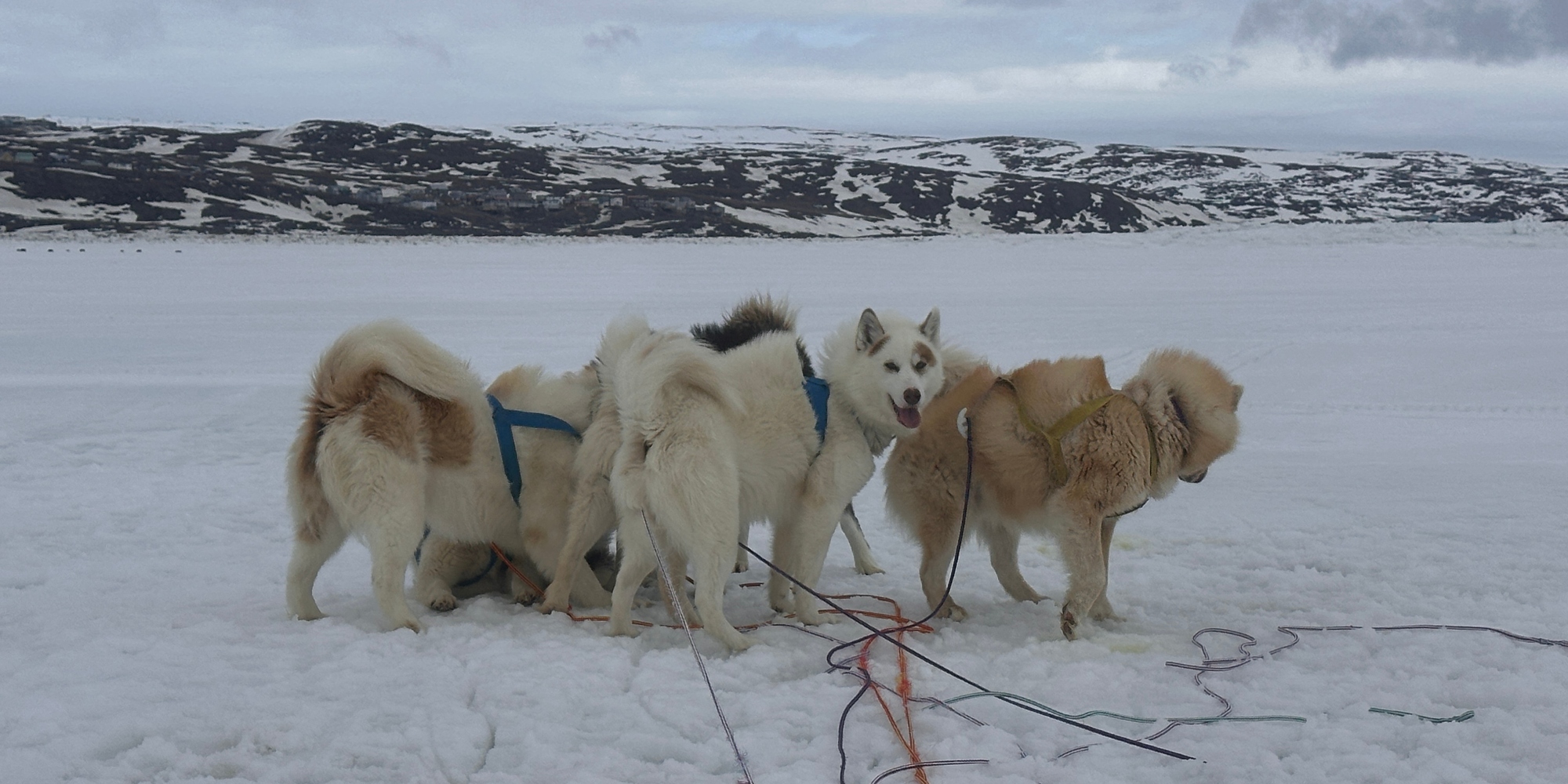
Farther north, Churchill is one of the world’s great places to see the northern lights, with operators like Frontiers North Adventures and Wapusk Adventures combining night time aurora viewing in heated domes or lounges with snowshoeing, dog sledding and cultural experiences during the day.
In northern lake country around Flin Flon and The Pas, lodges offer guided ice fishing, snowmobile tours and relaxed evenings watching for aurora over frozen Lake Athapapuskow. A visit to the Flin Flon Snowlodge adds an unexpectedly creative twist to winter, with its snow and ice pavilion, intricate carvings and role as a community gathering place for art, music and events.

Spring in central Canada feels like a slow, satisfying reveal, as snow recedes to uncover big skies, thawing rivers and the first flashes of green. In Saskatchewan and Manitoba, prairie grasslands and boreal forest come back to life with migrating birds, swollen rivers and muddy but rewarding hiking and biking trails. Lakes shed their ice, making way for early season paddling, while national and provincial parks shift from quiet winter stillness to a busier rhythm of day hikes, wildlife watching and campgrounds gradually opening for the season.
Ontario eases into spring with a gentler, more urban friendly version of the same transformation. Ice clears from canals, rivers and lakes, opening long stretches for walking, running and cycling, while nearby parks and rolling hills trade skis for hiking boots and early season rides. For outdoor explorers, it is a shoulder season sweet spot, where you can still find snow underfoot on shaded trails one day and sit beside open water the next, all with the sense that the landscape is waking up around you.

Spring in Saskatchewan is ideal for those who want migrating wildlife, cultural connection and gentle, early season adventures. It starts with the birds.
Around Prince Albert National Park, The Narrows on Waskesiu Lake is one of the first places to open up, drawing ducks, geese and swans back to the water, with easy birding access on forest and lakeside trails and local checklists that help you spot everything from loons to warblers. Guided birding trips like Living Sky Wildlife Rehabilitation’s Saskatchewan Spring Birding Grand Tour and its Prince Albert National Park Birding Tour string together boreal forest, river valleys and prairie wetlands, while the Saskatchewan Birding Trail highlights stops such as Chaplin and Reed Lakes, famous for shorebirds and prairie species..
As ice breaks and levels settle, paddlers ease into the year on mellow routes like Eagle Creek near Saskatoon or guided sections of the South Saskatchewan and North Saskatchewan rivers, where local operators lead day trips that combine gentle current, coulee scenery and stories about the river’s role in prairie history. On land, early dry trails in places such as Douglas Provincial Park, Chief Whitecap Waterway and the badlands and grasslands of the south invite hiking and biking under big skies, with dark sky camping in Cypress Hills Interprovincial Park adding crisp, star filled nights once temperatures lift.
Ontario’s spring is made for movement. Hiking and cycling paths re-emerge across Algonquin and Bruce Peninsula, revealing forests alive with birdsong and early blooms. Paddle lakes and rivers to access hidden corners before summer crowds arrive or experience the power of Niagara and Great Lakes waterfalls in full spring flow. Ontario offers both adrenaline and serene immersion for those who love to explore on foot, bike, or paddle.
Manitoba in spring is best known for its big wildlife moments, thawing lakes and some wonderfully quirky natural spectacles. It is one of Canada’s premier spring migration provinces, sitting under three major flyways, with places like Oak Hammock Marsh and FortWhyte Alive near Winnipeg famous for huge concentrations of waterfowl, shorebirds and warblers, plus guided sunrise “Migration Mornings” walks and birding breakfasts.
East of Winnipeg, Whiteshell Provincial Park is a classic spring escape, with waterfalls in full flow, wildflowers appearing and early season hiking, paddling and riding based out of lakeside spots such as Falcon Trails Resort and Pinewood Lodge.

North of the city, the Narcisse Snake Dens draw global attention when tens of thousands of red sided garter snakes emerge and mass together in limestone pits, creating one of the world’s largest snake gatherings and a very Manitoba style spring wildlife show.
Across the province, this is also the season for chasing early waterfalls and fishing the first open water, with places like Rainbow Falls, Pisew Falls and Kwasitchewan Falls all highlighted for their spring volume, and Lake Winnipeg, the Red River and Lake Manitoba kicking off the open water fishing year.
Summer in central Canada feels big, bright and full of long days that invite you to stay outside well into the evening. On the prairies of Saskatchewan and Manitoba, warm temperatures and wide open skies set the stage for hiking, biking and paddling through grasslands, boreal forest and along broad rivers. Lakes that were frozen just months earlier turn into hubs for canoe trips, fishing, swimming and camping, with everything from family friendly provincial parks to more remote backcountry routes on offer. Storm watching, sunset photography and late night stargazing fit naturally into a season where the sky is as much a destination as the trails and shorelines.
Farther east, Ontario offers a softer, but still adventure ready, version of summer. The Rideau Canal and Ottawa River fill with kayaks, stand up paddleboards and small boats, while riverside paths and nearby hills see steady streams of runners, cyclists and hikers making the most of the long, warm days. A network of parks and lakes reaches out from the city into cottage and canoe country, where you can link paddling, portages and campsites into classic Canadian summer trips. Festivals, outdoor markets and patio culture round things out, so you can spend the day on the water or trails and the evening soaking up music, food and local nightlife without ever feeling far from your next adventure.

Summer in Saskatchewan stretches the days out long and slow, which suits outdoor explorers who like time to roam. In the north, classic canoe journeys with Churchill River Canoe Outfitters link island dotted lakes, waterfalls and low portages with cosy log cabins and a main lodge giving a comfortable base before or after multi day trips.
Farther south, Prince Albert National Park blends boreal forest, big lakes and easy access. Front country campgrounds like Beaver Glen and The Narrows sit near Waskesiu townsite, while backcountry canoe routes on Kingsmere, Crean Lake and the Bagwa chain lead to simple wilderness campsites you reach by paddle and portage.
In the southwest, Grasslands National Park offers a very different summer experience, with hiking and backroad driving through wide open prairie, badlands and coulees where bison, pronghorn and black tailed prairie dogs share the landscape.
Campers can stay at Rock Creek or Frenchman Valley campgrounds in tent or RV sites or book oTENTik glamping style cabins, all with easy access to trails, viewpoints and some of the province’s best dark sky stargazing.
Between these anchor spots, lakes and river valleys across the province offer smaller adventures, from family paddles and swimming on prairie reservoirs to road trips that link big sky campgrounds with small town cafes, making Saskatchewan in summer feel like one long invitation to stay outside.
Ontario’s summer is alive with movement and learning. Paddle the Great Lakes or smaller rivers while learning from Indigenous guides about traditional fishing and land stewardship.
Ontario has over 250,000 lakes. Canoe, portage and hike Algonquin or Bruce Peninsula trails to witness waterfalls, wildflowers, and wildlife. End your day at local markets or lakeside restaurants, sampling fresh fish, Ontario berries, and other regional specialties, while listening to the haunting evening song of the Loon, a waterfowl indigenous to the Northern hemisphere.
Ontario’s adventures are as much about connection to land and culture as they are about activity.
Summer in Manitoba suits those who like their adventures anchored by lakes, trails and long, bright evenings. In Riding Mountain National Park, you can spend days hiking or biking sections of more than 300 kilometres of summer trails, from easy boardwalk loops like Ominnik Marsh to longer routes such as Clear Lake South Shore and Lake Katherine that link viewpoints, beaches and backcountry campsites.
Nights here are part of the experience, with front country camping at Wasagaming and nearby oTENTiks and yurts giving a comfortable base close to Clear Lake’s swimming beaches, cafes and lakeside paths.
East of Winnipeg, Whiteshell Provincial Park is a summer playground of granite shores and clear water, where paddlers explore canoe routes like Caddy Lake and the Whiteshell River through rock tunnels, island dotted lakes and simple shoreline campsites. Cabin bases such as Caddy Lake Resort and Whiteshell Lake Resort put you right on the water, with boat rentals, docks and quick access to hiking trails and beaches.
For a wilder feel, Nature Manitoba’s Mantario Summer Program uses a remote backcountry cabin reached by canoe and portage as a base for week long themed trips that mix paddling, hiking and learning in the heart of shield country.
Farther north and east, Manitoba’s shield and river systems offer expedition style canoeing for those who want a big objective. Multi day guided trips on the Bloodvein River, a Canadian Heritage River that forms part of the Pimachiowin Aki World Heritage site, carry paddlers through a chain of lakes and runnable rapids backed by boreal forest and rock outcrops, with specialist outfitters providing guides, gear and fly in logistics.
Closer to Winnipeg, Red River Outfitters adds a cultural and historic flavour with voyageur style canoe trips on rivers like the Red and longer wilderness expeditions on northern rivers such as the Manigotagan and Hayes.
Layer Churchill onto this and the picture gets even bigger. From June to August, thousands of beluga whales gather in the Churchill River estuary, and outfitters in town run kayak, stand up paddleboard and boat trips that put you right among them, often pairing time on the water with guided tundra hikes, summer polar bear viewing and wildflower walks on the subarctic coast.
Taken together, these experiences make Manitoba in summer feel like a province of water, trail and wide horizons, where you can move in a few days from belugas on Hudson Bay to a campfire on Clear Lake or a remote whitewater campsite on the Bloodvein.

Autumn in central Canada is a short, vivid season that suits outdoor explorers who like cool air, changing light and quieter trails. On the prairies of Saskatchewan and Manitoba, aspen and birch turn gold against still green grasslands, migratory birds gather on lakes and wetlands, and farmers’ fields frame sunsets that seem to go on forever. It is prime time for day hiking, trail running and late season paddling, with crisp mornings, comfortable afternoons and a good chance of clear, starry nights around the campfire before winter closes in.
Farther east in Ontario, forests shift into deep reds, oranges and yellows, making even familiar riverside paths and urban parks feel fresh. Cyclists and hikers flock to nearby hills and lake country to catch peak colour, while paddlers slip canoes and kayaks onto quieter waterways to watch reflections of autumn forest ripple in the water. Cooler temperatures make longer efforts more comfortable, mosquitoes fade away and shoulder season prices often drop, so you can combine busy days outdoors with relaxed evenings in small towns or neighbourhoods that mark the season with harvest markets and fall festivals.
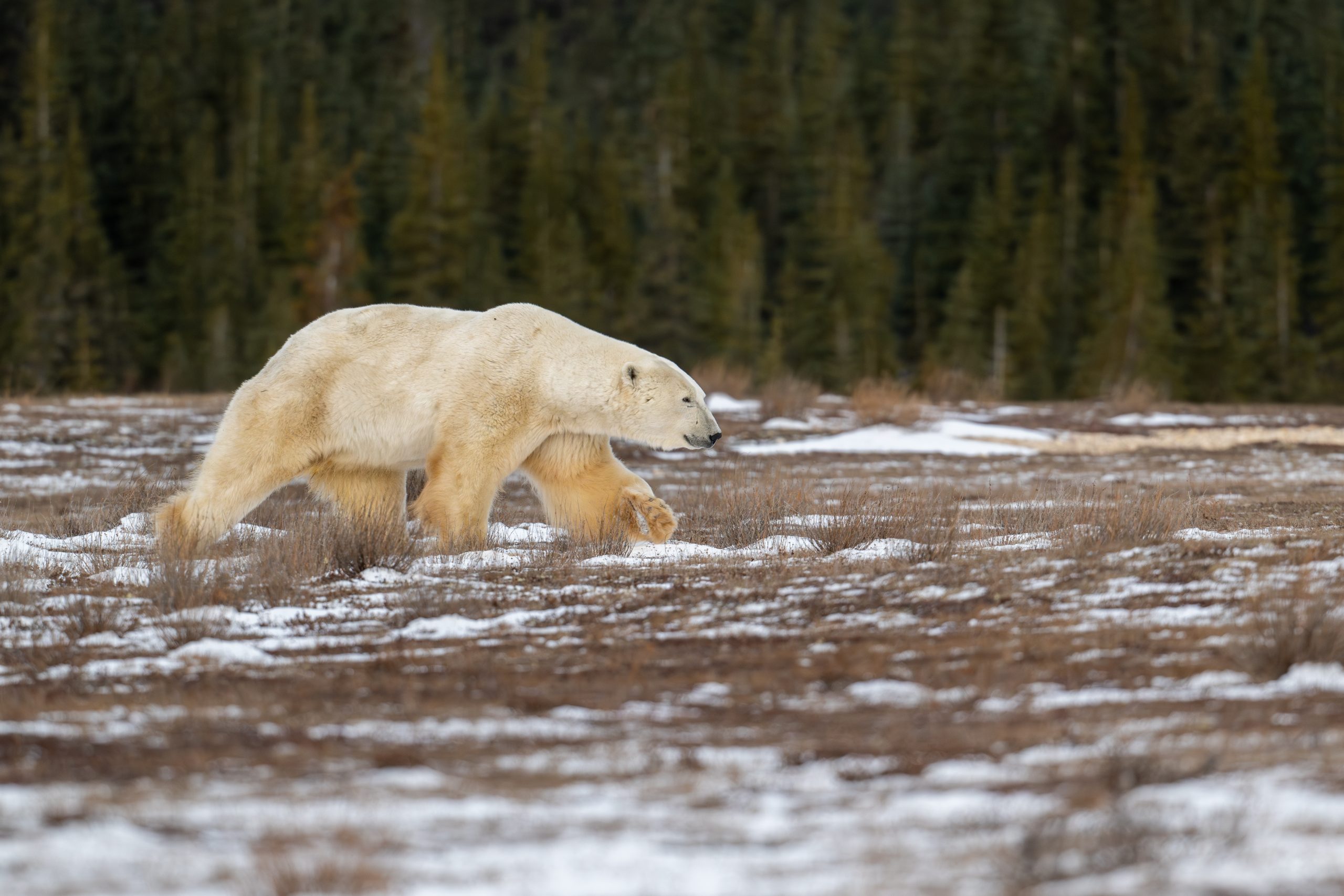
For many adventure travellers, autumn in Manitoba means one thing: heading north to Churchill.
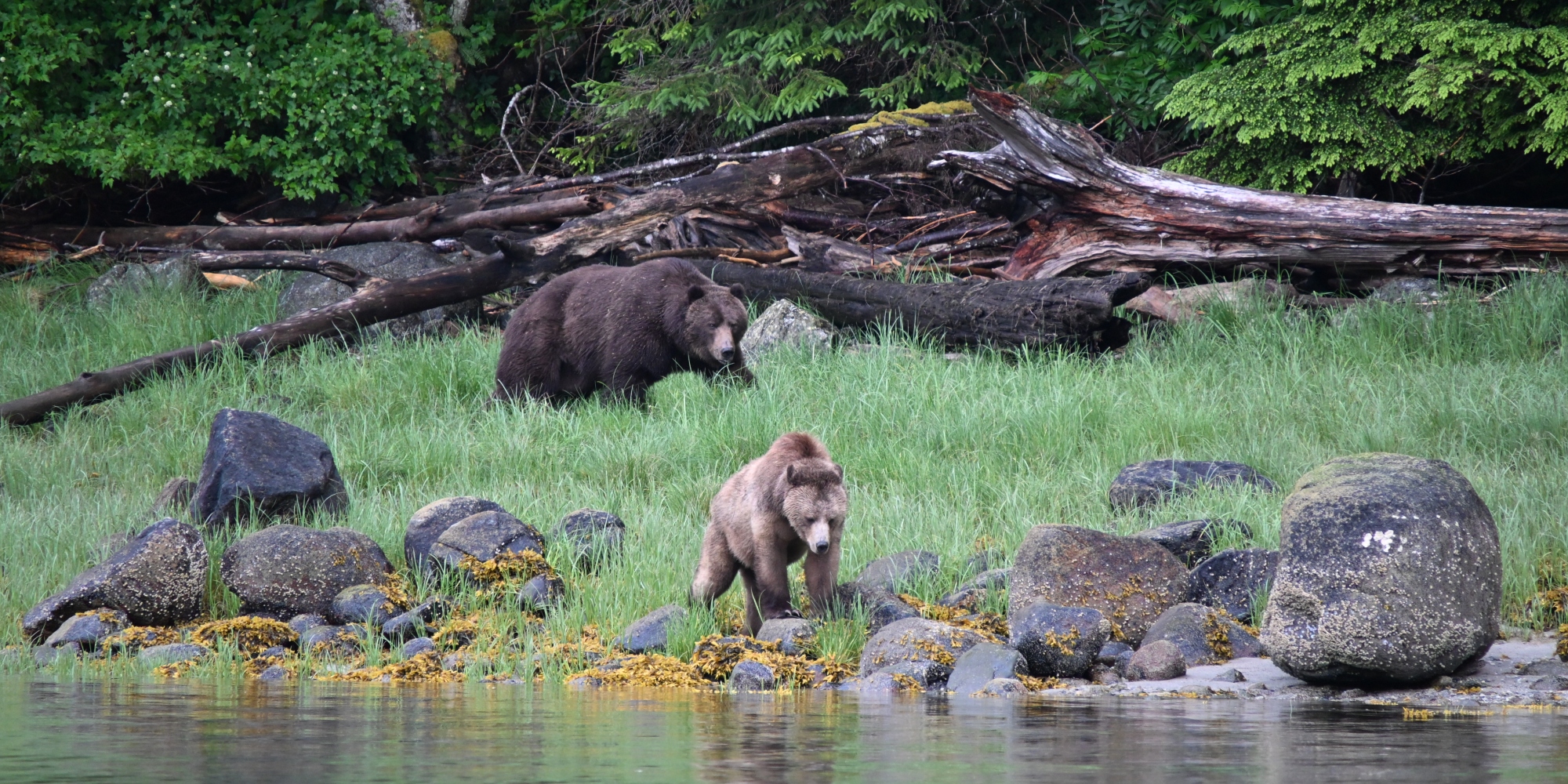
From roughly mid October to mid November, this stretch of Hudson Bay becomes the most reliable place on Earth to see polar bears as they gather on the coast waiting for the sea ice to form.
Lodge based trips with operators such as Churchill Wild bring you right onto the tundra from remote, fly in properties, while Frontiers North combines tundra vehicle days on the open flats with lodge stays, the option to overnight in a comfortable tundra vehicle, and guided walking programs for different comfort and challenge levels. Wapusk Adventures offers indigenous cultural tours and dog sledding.
If you are chasing other big mammals, autumn is also a strong season. Moose sightings often peak around dawn and dusk on backroads and wetland edges in and around Riding Mountain and other forested regions, rewarding patient, low key exploration and careful driving. Woodland caribou still move through remote northern boreal forest and the Hudson Bay lowlands, but because they are threatened and live far from roads, seeing them is usually the result of longer, expedition style trips run in partnership with Indigenous communities and conservation groups rather than quick roadside stops.
Autumn in Saskatchewan is a season for travellers who like their adventures a little different. Along the Qu’Appelle Valley, you can pair ridge top hikes with time at Echo Valley Provincial Park and Katepwa Point Provincial Park), where short trails lead to big lake and valley views and you are never far from small town cafes and grain elevator skylines.
In the south, guided Big Muddy Badlands tours from Coronach or operators like Engelheim Tours layer outlaw caves, sacred Indigenous sites and the sculpted form of Castle Butte onto day hikes, with the option to stay under dark skies in nearby campgrounds or small motels.
Farther west and south, Grasslands National Park becomes especially atmospheric once the heat drops and the grasses turn straw coloured, with oTENTiks and campgrounds in the Frenchman Valley and Rock Creek areas giving easy access to badlands trails and some of the darkest night skies in Canada. This is the time to look for classic “dinosaur country” scenery on routes like the Valley of 1000 Devils, where eroded coulees, hoodoos and layered rock hint at the fossil rich history of the region and make a perfect backdrop for a day of informal fossil spotting and geology themed walks, before rolling out a sleeping bag for meteor showers or a chance aurora show far from city lights.
Closer to Saskatoon and Regina, you can blend city comfort with offbeat autumn outings on and along the South Saskatchewan River, using local paddling experts such as Eb’s Adventure and their day trip suggestions to plan mellow downstream floats between sandbars and cottonwood lined banks. Evenings can mean star watching from regional parks, joining small town fall suppers, or heading north toward Prince Albert National Park for horseback bison tours with Sturgeon River Ranch, where rides take you into the valley and, with luck, close to Canada’s only free ranging plains bison herd in their historic habitat. For travellers who value mood and space as much as big ticket sights, Saskatchewan’s autumn feels like an invitation to wander, linger and let the prairie get under your skin.
Ontario’s autumn is shaped by the movement of birds, animals, and travellers. Algonquin Park becomes a focal point for leaf peeping and moose sightings, while Bruce Peninsula trails deliver dramatic contrasts between limestone cliffs and fiery forests. Paddling routes are quieter, offering reflective exploration as migratory birds gather and begin their journey south. Farmers’ markets and rural kitchens celebrate squash, root vegetables, wild rice, and cranberries, rounding off days of adventure in comforting, seasonal meals.