EASTERN CANADA:
QUÉBEC, PRICE EDWARD ISLAND, NEW BRUNSWICK, NOVA SCOTIA, NEWFOUNDLAND, & LABRADOR


Eastern Canada stretches from the Great Lakes to the Atlantic coast, blending wild forests, clear lakes, dramatic shoreline and historic cities, which creates a natural playground for outdoor explorers.
Its vast freshwater networks are ideal for canoeing and kayaking, while extensive trail systems and numerous national parks in Québec and Atlantic Canada make hiking, wildlife viewing and backcountry escapes easy to access.
Along the Atlantic coast, rugged cliffs and quiet coves invite sea kayaking, whale watching and coastal walks, and the region’s four distinct seasons mean there are rewarding adventures on offer all year.
Eastern Canada in winter is a giant natural playground where deep snow, frozen coastlines, and dense forest create serious backcountry potential, from snowshoeing and Nordic skiing in national parks to multi day ski touring in places like Gros Morne in Newfoundland.
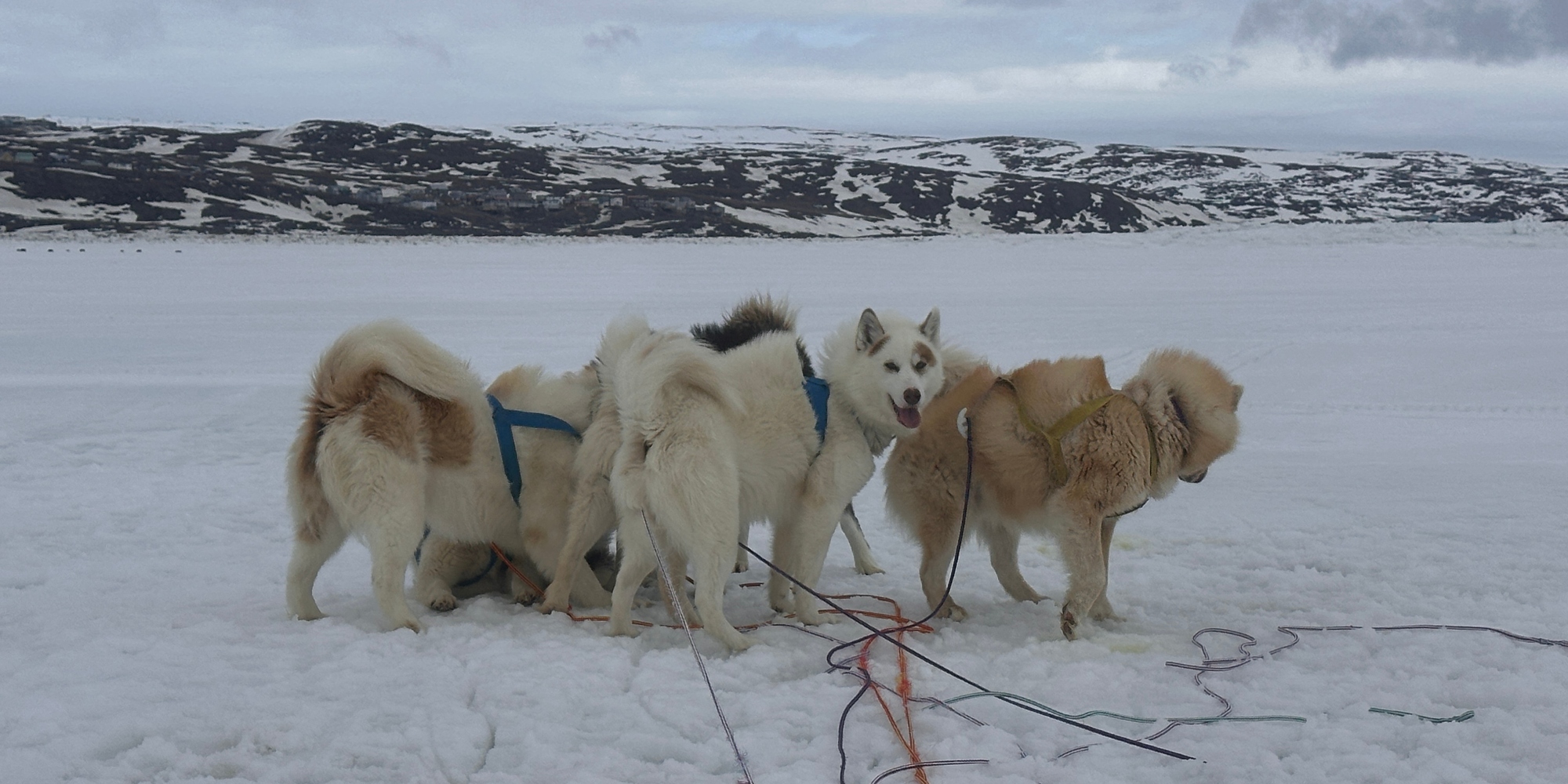
You can spend your days dog sledding through the Eastern Townships, fat biking or snowmobiling across rolling highlands, or skating along forest trails in New Brunswick, then warm up in cabins, lodges, or small towns that cater to skiers and snowshoers with hearty food and local beer.
Québec is a natural starting point for winter adventure. Around Quebec City and the Laurentians, you can mix skiing at Mont Tremblant with dogsledding at Les Secrets Nordiques near Mont Sainte Anne, less than an hour from the old city walls.
For a broader escape, the Winter Multiactivity Stay at Pourvoirie Cap au Leste in Saguenay combines snowmobiling, snowshoeing, dogsledding and Nordic survival skills overlooking the Saguenay Fjord.
Quebec City also offers one of Canada’s most iconic cold weather challenges — ice canoeing across the St Lawrence River to Lévis. Guided outings with Canot à glace Expérience.


Farther north, Kangiqsujuaq Adventures in Nunavik offers Indigenous owned small group expeditions featuring snowmobiling, dogsledding, winter camping and Inuit cultural activities above the treeline by the Hudson Strait.
Where you stay adds to the experience. Near Quebec City, the ephemeral Hôtel de Glace is rebuilt every year from ice and snow, offering ice bar cocktails or overnight stays in sculpted suites.
In Saguenay Lac Saint Jean, Octopus Park provides cabins, rooms and spa facilities with direct snowmobile and snowshoe trail access.Snowmobilers can also find trail friendly inns across Gaspésie, including Auberge La Seigneurie des Monts in Sainte Anne des Monts.
In Newfoundland, around Gros Morne National Park, winter can be as gentle or as full on as you want. Alongside the Starlight Trail, there are guided snowshoe tours, cross country ski loops and snowcoach or snowmobile outings that open up frozen fjords and high plateaus without needing to be a serious backcountry skier.
Local operators such as Wild Gros Morne and Gros Morne Outdoor Adventures run ski touring, snowshoeing and multi day winter trips, with options to stay in rustic backcountry cabins and huts in the Long Range Mountains for a proper off grid mountain base. In the coastal communities of Norris Point and Rocky Harbour you will find small inns and lodges like Gros Morne Inn offering winter packages, guided days out and cosy returns to hot meals and warm fires after time in the snow.
Further north in Labrador, expedition style adventures in places such as Torngat Mountains National Park promise multi day ski touring and winter trekking among some of the wildest terrain in Eastern Canada, with the chance to see Northern Lights blazing over fjords and glaciated peaks.

Prince Edward Island’s winter coastline feels wonderfully remote, with long empty beaches and quiet trails in Prince Edward Island National Park open for self guided hiking, snowshoeing and photography among snow dusted dunes and frozen inlets.
Explorers can spend a day on the 10 kilometres of groomed single track fat biking trails at the Mark Arendz Provincial Ski Park and Parks Canada Winter Activity Hub, then continue on wider island networks like the Confederation Trail or community routes near Charlottetown and Summerside.
For a restorative finale, Mysa Nordic Spa on St Peters Bay offers hot and cold outdoor pools, Finnish sauna, cold plunge and on site accommodation, giving winter travellers a chance to move from bracing coastal air straight into a full Nordic thermal circuit.


Winter in Nova Scotia’s South Shore centres on the Nova Scotia Lobster Crawl, a February long festival where you can follow lobster themed menus, tastings and events in fishing communities from Barrington to Peggy’s Cove, often pairing coastal walks and lighthouse visits with seafood dinners in harbour pubs and restaurants. Classic seaside stays such as White Point Beach Resort and Seawind Landing Country Inn offer oceanfront cottages, fireplaces and on site dining that highlights local lobster and seafood, with easy access to storm watching, beach walks and guided snowshoe or coastal outings.
Elsewhere in the province, winter adventures range from cross country skiing and snowshoeing at North Highlands Nordic on Cape Breton Island, to cold water surfing at Lawrencetown Beach where snow dusted dunes frame heavy Atlantic swells for experienced surfers. This blend of coastal cold, working wharves, seafood culture and quiet trails gives Nova Scotia’s winter a strong sense of place, rooted in maritime tradition as much as movement.
New Brunswick’s winter is ideal for travellers who want to mix backcountry adventure with genuine downtime. Snowmobilers can tap into the province’s extensive trail network on routes like the Northern Odyssey, linking Edmundston, Miramichi, Bathurst and Campbellton, with snowmobile in, snowmobile out lodgings such as O’Donnell’s Cottages on the Miramichi River offering packages that bundle riding with snug fireside stays.
For quieter days, Kouchibouguac National Park offers over 30 kilometres of marked snowshoe trails, 15 kilometres of groomed cross country skiing and even winter fat biking, with nearby bases like Kouchibouguac Chalets giving easy access straight into the park. Recovery comes at forest based Nordic spa retreats such as Creekside RnR and Savasana Nordic Spa, where hot tubs, saunas, cold plunges and riverside or woodland views encourage slow, mindful time outdoors between sessions.
Spring in Eastern Canada transforms the landscape into a living canvas of renewal, rivers roar, with the melting snow, forests awaken, and wildlife returns offering adventure travellers a season brimming with energy and possibility.
When they say Spring is in the air, they mean it, the cherry blossoms flush hues of blush to hot pink, the Maples, Birch, Poplars and Willow trees are some of the first to leaf. For the bird lovers the songbirds, waterfowl, raptors and wood peckers are some of the first to return to the warming forests and sing into the warming spring air.
Adventure Travellers can immerse themselves in activities that take them into the woods, lakes and rivers to witness nature waking from her hibernation.
Spring in Québec is all about change: snow retreating from the hills, rivers running high and wildlife on the move. You can kick things off in the Gaspésie with Nature Aventure in Matapédia, where early season canoe and kayak trips, Appalachian trail hikes and even salmon snorkelling run from late May, all paired with simple riverside accommodation so you can base yourself in one village and spend your days chasing current and viewpoints.

Farther inland in the Eastern Townships, trails in Parc Écologique Jean Paul Forand and the surrounding hills start to open up, giving snowshoe friendly outings in early spring and muddy but rewarding hikes as the forest greens, while small inns and B&Bs in villages such as Bromont or Sutton keep you close to local food and microbreweries between days on the trail.
If you want to be among the first to camp, Sépaq parks such as Parc National du Mont Tremblant open select loops from mid May and encourage paddlers and whitewater fans to use the spring flood as an excuse to combine river access with your first nights under canvas of the year.
For a bigger sense of scale, the Saguenay–St Lawrence Marine Park and the Saguenay Fjord region blend early season hiking with some of the world’s best shoreline whale watching, where you can scan for belugas and other species from land or join responsible boat based trips with operators like Saguenay Aventure, then overnight in small hotels and auberges in Tadoussac, Baie Sainte Catherine or the fjord side village of L’Anse Saint Jean.

Prince Edward Island’s red-sand beaches and coastal trails reawaken in spring. Long walks along wind-swept shorelines, kayaking in quiet bays, and cycling backroads lined with farmland and lighthouses make for a season of serene adventure. The island offers open space, fresh sea air, and a gentle reconnection to nature.
Nova Scotia: Trails and Tides
Nova Scotia’s dramatic coastline calls in spring. Hike the Cabot Trail or explore rugged coastal paths dotted with wildflowers. Whale watching, and seabird migrations offer rare wildlife encounters, while paddling in sheltered bays lets travellers experience the province from the water. The combination of sea, trail, and awakening wilderness makes Nova Scotia a playground for active explorers. La Have Islands
Spring in New Brunswick is high-energy. Melting snow transforms rivers into Whitewater playgrounds, particularly along the Miramichi and Saint John. Fundy National Park’s waterfalls reach their peak, and coastal hikes showcase the province’s dramatic tides. Adventure travellers can combine action-packed days with moments of serene connection in New Brunswick’s Spring landscapes.


Spring arrives late in Newfoundland and Labrador, but the payoff is spectacular.
Hike Gros Morne National Park to see snow capped peaks alongside thawing tundra, then head to the coast where icebergs drift slowly offshore and seabird colonies reclaim the cliffs, turning every headland walk into a wildlife stakeout.
Base yourself for a few days at Fogo Island Inn on remote Fogo Island, where you can watch icebergs cruise past your window, explore traditional outport communities on foot and join guided walks that frame the changing season through local stories and contemporary art.
From there or from St John’s, make time for a trip to Twillingate to follow coastal trails and join small boat tours in “Iceberg Alley”, and continue to the Witless Bay area and the sea stacks at the Gannet Islands or more accessible puffin hotspots such as Elliston where orange billed puffins, kittiwakes and other seabirds crowd the rocks just offshore.
The province offers wild, unfiltered landscapes and a front row seat on one of the North Atlantic’s most dramatic seasonal transitions.
In summer, Eastern Canada bursts into life. The spring thaw has filled the rivers, the forests bloom with the growth of the spring blossoms and saplings, and the coastline shimmers in long daylight hours. Here, adventure meets culture and cuisine, offering travellers experiences that are both active and deeply rooted in place. The farmers are harvesting, and the fruit and vegetables are abundant in colour and variety.

New Brunswick invites explorers to combine adventure with discovery. Paddle rivers like the Miramichi or Saint John, hike Fundy National Park trails, and explore dramatic Bay of Fundy coastlines.
Indigenous guides can introduce visitors to traditional survival skills, plant identification, and the cultural history of the land. End the day with a culinary twist, sampling fresh seafood or locally foraged ingredients prepared by chefs who highlight the region’s flavours.
The Summer months in Newfoundland and Labrador offer raw landscapes and deep cultural immersion. Hike Gros Morne National Park or the East Coast Trail for fjords, cliffs, and sweeping vistas.
Kayak through sea caves, whale watch, or visit small fishing communities for fresh seafood and cultural storytelling.
Indigenous experiences and local artisan workshops provide a window into the province’s rich heritage, adding depth to every adventure.
Check out the Whales, Puffins and Icebergs at Bay Bulls.
In Québec hike the Laurentians or Charlevoix to discover panoramic vistas and wildflower valleys, then paddle the St. Lawrence River with Indigenous guides who share stories of the land and traditional navigation techniques.
Quebec has several breeds of whales that skirt the eastern seaboard giving locals and tourists plenty of viewing opportunities.
Cyclists can explore scenic vineyards and riverside trails along the 5,400 kilometres of the Route Verte, pausing for farm to table meals and seasonal delicacies like fresh maple desserts and artisan cheeses. Québec offers a seamless blend of adventure, tradition and culinary discovery.


Nova Scotia’s summer thrives at the intersection of sea and land.
Hike the Cabot Trail or paddle along rugged coastlines, spotting whales and seabirds along the way.
Indigenous-led tours share Mi’kmaq culture and traditional skills, from storytelling to land-based learning.
Culinary experiences range from seaside lobster shacks to craft breweries and local farm produce, adding flavour to every day of adventure.
Try your hand at fly fishing on Cape Breton Island and then spend the evening sipping local whisky while listening to local Celtic music and folklore.
PEI’s summer is an invitation to explore coastlines, farmland, and culinary treasures. Walk the pristine red-sand beaches and coastal trails, cycle the Confederation Trail, and kayak in sheltered bays. Stop at local oyster farms or lobster shacks for fresh seafood straight from the Gulf of St. Lawrence.
In autumn, Eastern Canada enters a season of transition. Forests ignite with colour, migratory birds like the ducks and Canada Geese fill the skies with their V formations, wildlife prepares for winter, and kitchens turn toward harvest, preservation, and warmth. For adventure travellers, autumn offers depth, stillness, and some of the most visually striking experiences of the year.

Autumn in Québec is defined by colour and contrast. Hiking trails in the Laurentians, Charlevoix, and Jacques-Cartier National Park wind through forests ablaze with reds, golds, and amber.
Cooler temperatures make long hikes and cycling routes especially rewarding, while rivers calm into ideal conditions for canoeing and kayaking.
Wildlife becomes more visible as animals forage ahead of winter. In rural regions, the culinary focus shifts to harvest festivals, wild mushrooms, game meats, apples, and late-season maple products, offering explorers a taste of Québec’s deep connection to land and season.
Autumn on Prince Edward Island is crisp, colourful, and calm. Coastal trails and beaches take on warmer hues, ideal for long walks and cycling the Confederation Trail without summer crowds. Seabirds gather offshore, and seals are often spotted along the coast.
Culinary experiences turn toward hearty seafood chowders, oysters, mussels, and fall produce, reflecting the island’s rhythm of preparation before winter arrives.
Autumn invites Explorers into New Brunswick’s forests and river valleys. In Fundy National Park, not only is there classic hiking and biking, Matthews Head and Kinnie Brook trails come highly recommended but there’s also the world’s highest tides. Hit the trail in the morning, then see either four-story high water or the ocean floor, depending on the tide table.
Rivers slow, making paddling peaceful and reflective. Indigenous led forest experiences offer insight into traditional knowledge, seasonal harvesting and preparation for winter. Local cuisine reflects the shift, focusing on root vegetables, wild berries and preserved foods. For a deeper reset, consider a stay at La Belle Cabane, a forest spa with outdoor saunas, cold plunges and wood fired hot tubs nestled among the trees, so you can move straight from long days on the trail into slow, restorative evenings in the woods.

Nova Scotia’s landscapes feel especially dramatic in autumn. The Cabot Trail offers some of the most iconic fall drives and hikes in Canada, where cliffs, ocean, and forests collide in a blaze of colour.
Wildlife activity increases as animals prepare for colder months, key sightings include Moose in the Cape Breton highlands, and migratory birds pass along the coast. Foraging walks, seafood feasts, and harvest festivals highlight a cuisine rooted in land and sea, with flavours that mirror the season’s depth.
Autumn in Newfoundland and Labrador feels elemental and raw. Hiking in Gros Morne National Park reveals tundra-like landscapes layered with autumn colour, while the East Coast Trail offers sweeping ocean views under shifting skies. Animals move inland or prepare dens for winter. Local kitchens turn to hearty stews, cod, berries, and traditional comfort foods, fuel for long days outdoors in a rapidly changing environment.