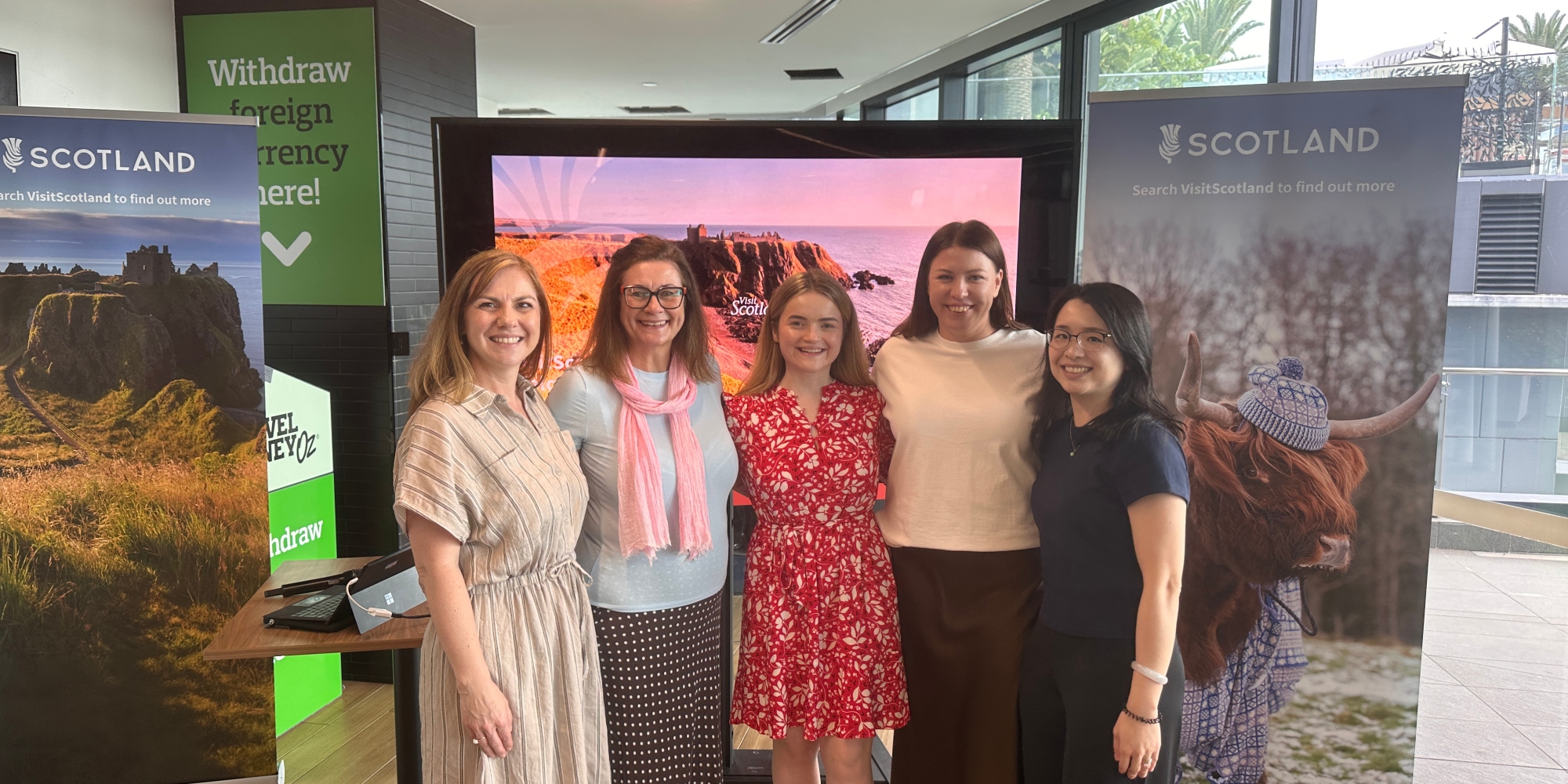
The VisitScotland team were in Brisbane last week for the opening of the Royal Edinburgh Military Tattoo, speaking at a special presentation at Flight Centre’s headquarters to remind Australian agents that Scotland has far more to offer than a once in a lifetime stadium spectacular.
Instead, they painted a picture of a country where wellbeing comes naturally, shaped by big skies, deep history, local storytelling and an open invitation for clients to slow down and stay a little longer.
Marjorie Hogarth from VisitScotland opened by moving the conversation beyond the classic idea of a summer holiday in the Highlands. While many visitors still favour July and August for lighter evenings and mild weather, Scotland is increasingly positioning itself as a year round destination, with spring lambs in the fields, long summer twilights, golden autumn hillsides and winters filled with festivals, markets and crackling fires.
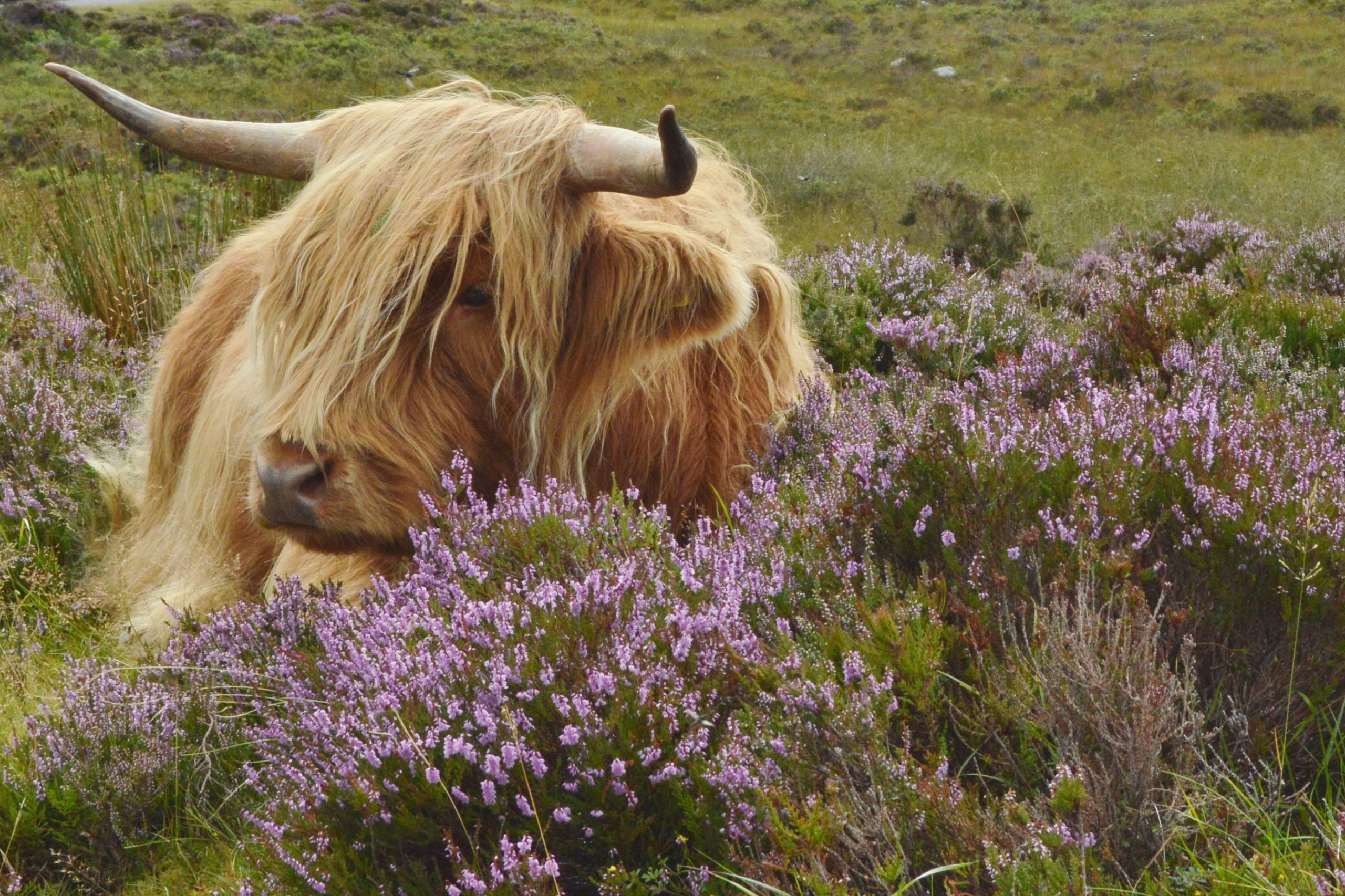 The highland ‘coo’
Autumn is a favourite for many Scots, with changing leaves in the Highlands and Borders and crisp days that lend themselves to road trips, walking and photography, while winter from November to March promises a genuinely warm welcome, illuminated events and a strong sense of atmosphere in cities and small towns.
The team stressed that Scotland’s famous scenery is not confined to one postcard view. They highlighted the soft, rolling countryside of the Scottish Borders, the rugged drama of the Highlands and the island landscapes of places such as Shetland, each offering a different way to experience big skies and quiet moments in nature.
Whether clients are following the North Coast 500, hopping between islands or basing themselves in a single region, the variety of coastlines, lochs and hills makes it easy to build an itinerary that feels restorative rather than rushed.
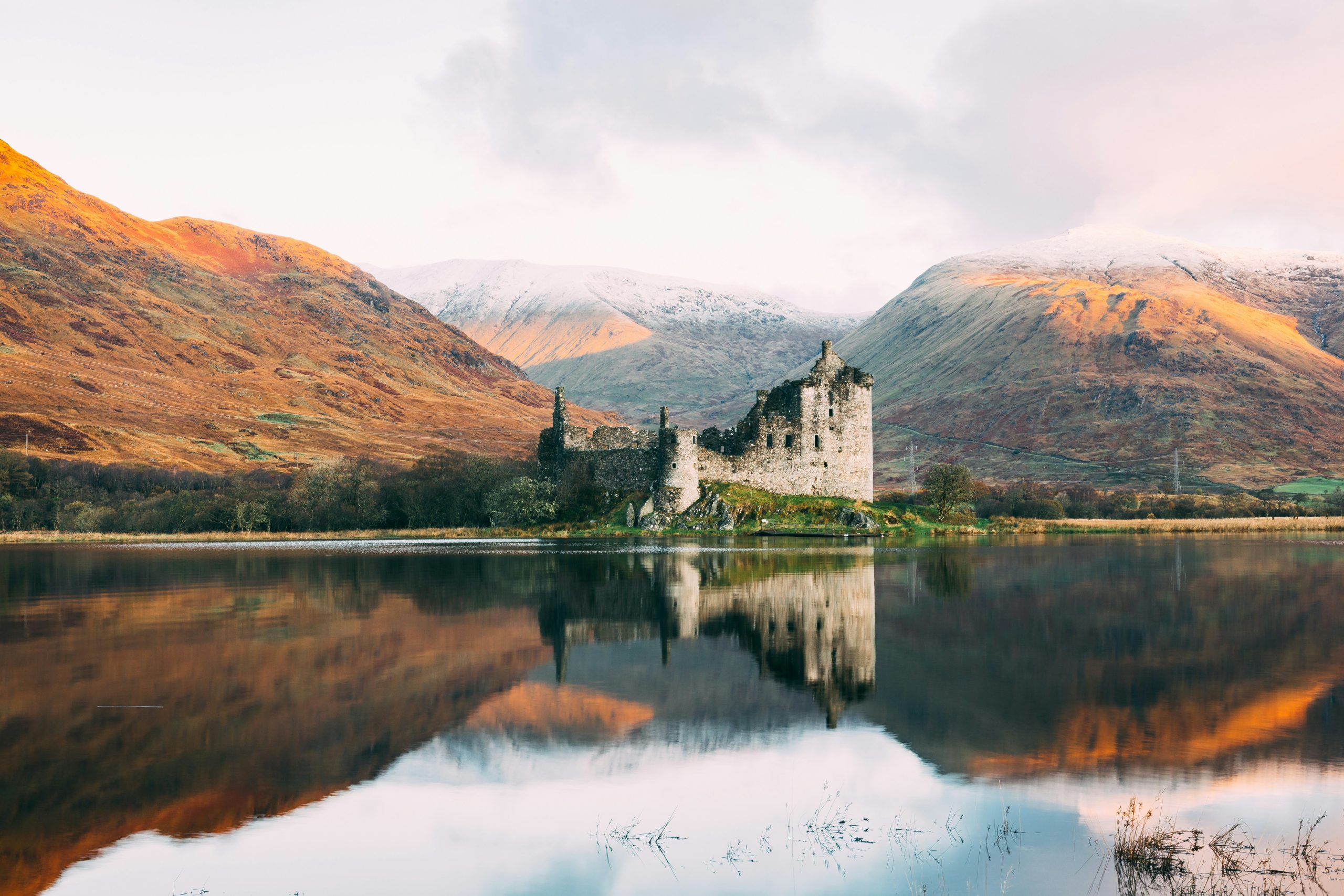 Kilchurn Castle, Loch Awe
Culture and heritage remain a major draw for the Australian market, especially for those with ancestral links to Scotland. VisitScotland spoke about everything from world class pipe band championships in Glasgow to Hogmanay celebrations in Edinburgh and opportunities to step behind the scenes in castles and stately homes or even stay on royal associated estates. They also highlighted a growing number of hands on experiences that allow visitors to go home with more than photos, such as commissioning a personal tartan in Stirling or joining a workshop in Edinburgh to design and make a Harris tweed handbag with local makers at Islander.
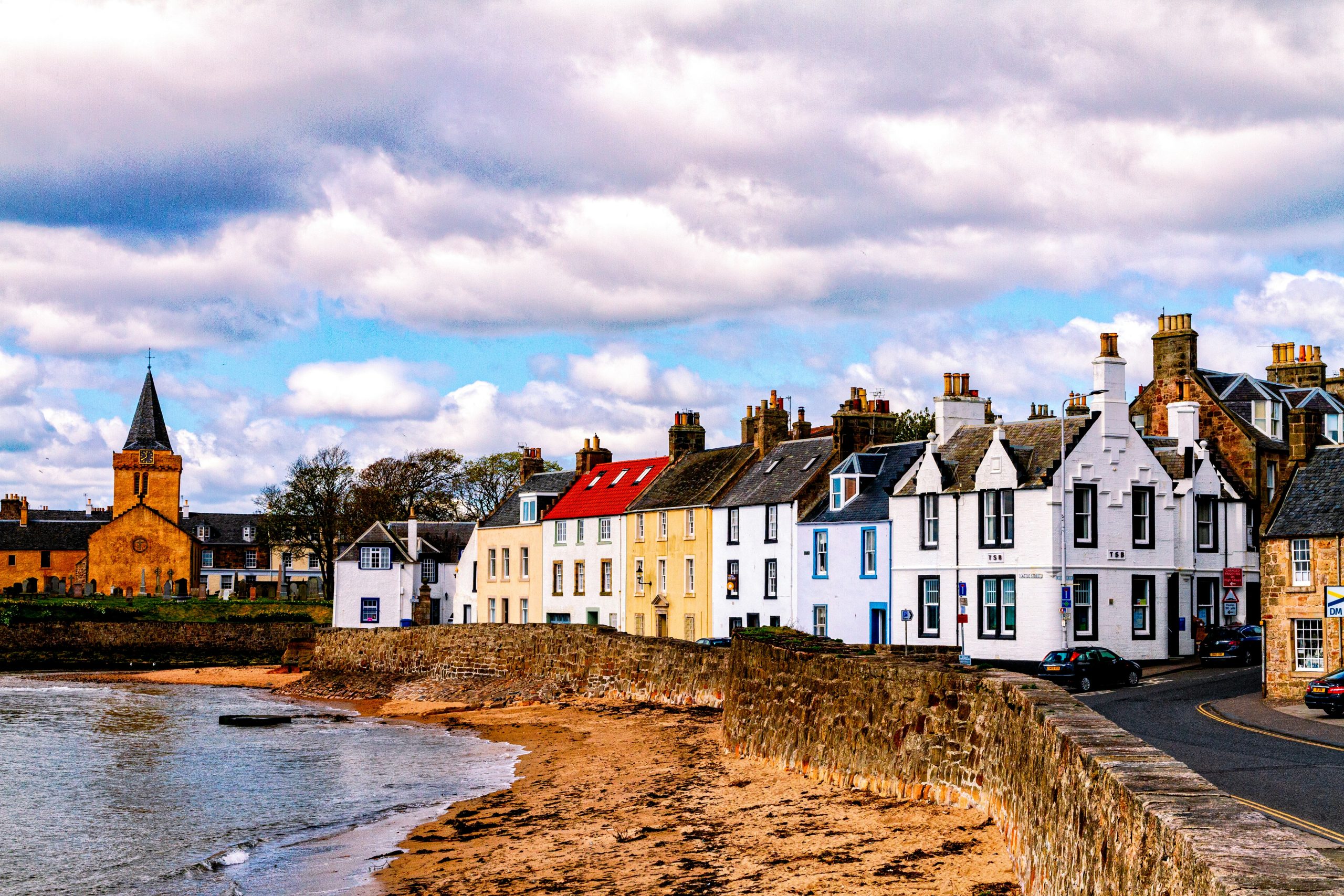 Anstruther, East Neuk of Fife
Looking ahead, Miranda Lam shared a snapshot of what is new and next for clients planning trips in 2026 and beyond. Dumfries and Galloway’s Galloway Forest Park, already recognised as a Dark Sky Park, is due to welcome a rebuilt Scottish Dark Sky Observatory at Clatteringshaws Loch with improved telescopes, education spaces and visitor facilities, making it easier for travellers to enjoy serious stargazing and, on the right nights, sightings of the northern lights.
Investment is also flowing into prehistoric and cultural sites such as the Calanais standing stones on the Isle of Lewis and refreshed art and heritage venues in towns like Paisley near Glasgow, creating more reasons to explore beyond the traditional first timers circuit.
Scotland’s events calendar will stay firmly on the global radar. The country will continue to host major sporting occasions and championships, with The Open returning to St Andrews and international tournaments in football and cycling adding to the buzz around cities such as Glasgow and Edinburgh. For Australian agents, that opens up opportunities to package short breaks or themed itineraries that combine live sport with culture, coastal touring or a few days in the Highlands.
Diageo, a key sponsor of the Tattoo, used the Brisbane visit to show how whisky tourism is evolving. Its We Are Scotland Distilled portfolio brings together 14 distilleries across the country, including well known names such as Talisker and Oban and single malt sites like Royal Lochnagar near Balmoral, Cardhu on Speyside and Glenkinchie close to Edinburgh, all with a strong focus on storytelling and guest experience.
The company’s visitor attractions consistently achieve very high guest satisfaction scores, something Diageo credits to careful hiring, strong service standards and an emphasis on bringing brand histories to life rather than simply explaining production.
In the Highlands, Singleton of Glen Ord near Inverness sits just off the North Coast 500 and has been reshaped as a flagship experience for the Asia Pacific market. Clients can join short express tours suitable for coach groups, more in depth tastings or luxury sessions that pair whiskies with local food, all within a distillery that has been recognised with major international awards for its visitor experience.
On Speyside, Cardhu leans into its story of female founder Helen Cumming, who originally ran the distillery illicitly in the 1820s before it became a legal operation, with guides using that tale to anchor tastings, garden walks and cocktail classes that appeal to both whisky newcomers and enthusiasts.
In Edinburgh, Johnnie Walker Princes Street has transformed a former department store into an eight level attraction that aims to overturn old stereotypes about whisky being only for older men in leather armchairs. The signature tour uses actors, immersive rooms and personalised flavour profiling to help each guest discover their preferred style, whether fruity, creamy or smoky, followed by drinks served the way they genuinely like to enjoy them, from highballs to cocktails. There are rooftop bars with castle views, experimental cask draw sessions and food pairings with Scottish chocolate, creating an experience that sits somewhere between a distillery, a museum and a contemporary bar.
Throughout the Flight Centre HQ briefing, the VisitScotland team came back to a single idea for the Australian trade. What makes Scotland different is not only its castles, coastlines or whisky, but the character of its people.
Their current visitor proposition is built around the idea that wellbeing comes naturally in Scotland, thanks to landscapes, communities and experiences that are genuine rather than manufactured.
From guides who treat guests like old friends to craftspeople and small business owners who are natural storytellers, that human connection is what turns a good itinerary into the kind of trip clients talk about long after they return home.
For Australian agents, the message from Brisbane was clear. Scotland is ready to welcome your clients in every season, whether they are travelling for ancestry and history, nature and stargazing, whisky and food or simply that easy going, quietly confident Scottish hospitality that keeps people coming back.
Featured image L to R: From VisitScotland. Gillian Learmonth, Jill Walker, Marjorie Hogarth, Peta Evans (from VisitBritain) and Miranda Lam.