
Nine months into Carnival Cruiseline Australia’s fleet transition, momentum is building and confidence is returning.
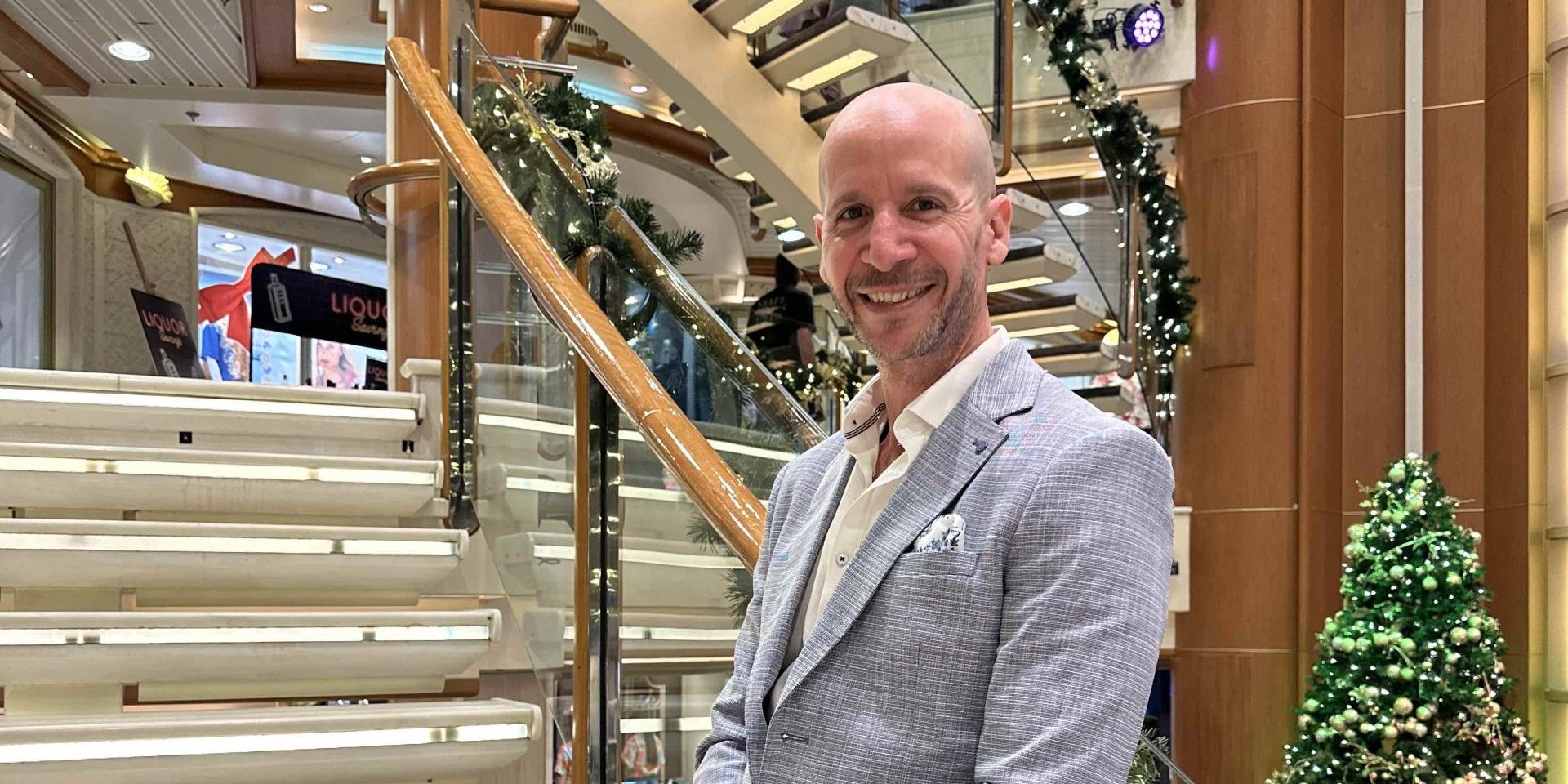
Speaking with Traveltalk’s Cruise Expert Honida Beram this week, Carnival Cruise Line Australia’s Assistant Vice President, Sales & Marketing Anton Loeb reflects on a period marked by hard work, rapid learning and renewed optimism for the future of cruising in the region.
“It’s been challenging, but incredibly rewarding,” Loeb said.
“A transition of this scale doesn’t just happen at launch, it requires months of preparation and collaboration. Seeing a company of this size work together toward a common goal has been inspiring.”
One of the strongest indicators of success has been crew retention, with 96% of crew remaining onboard through the changeover. According to Loeb, this continuity has helped preserve the culture and service standards guests expect, while also opening new opportunities for crew within Carnival’s global fleet.
“They’re (the crew) now part of a broader organisation with more variety and career pathways, and that energy translates directly into the guest experience,” he added.
While the early sailings brought some inevitable challenges, Loeb notes that listening to feedback and responding quickly was critical.
“Any brand going through a transition of this size will experience some disruption. What mattered was our commitment to resolving issues fast so we could get back to delivering great holidays.”
That focus has paid off, particularly in guest loyalty and sentiment. Booking momentum, repeat cruisers and improving satisfaction scores all point to Australians embracing the Carnival brand.
“Australians understand that change takes time. You can see their loyalty in the numbers and in the positive feedback coming through.”
At the same time, Carnival has been working to attract new-to-cruise guests. Loeb said education is essential, given how different cruising is from land-based holidays.
“Our role is to clearly communicate the value, simplicity and convenience of cruising so people know exactly what to expect – and then exceed those expectations once they’re onboard.”
Rather than making every ship identical, Carnival is leaning into variety across the fleet.
“Each ship has its own personality. Some guests are driven by food offerings like burgers and pizza, others by pool space, bars or beach clubs. We want guests to choose the ship that suits their holiday style, rather than forcing a one-size-fits-all approach.”
Food has also been a key area of focus. After early feedback, Carnival reinstated popular inclusions and expanded options across the fleet.
“We track guest satisfaction very closely and food scores have increased month-on-month,” he said.
“That tells us we’re moving in the right direction, but it’s something we’ll never stop refining.”
Looking ahead to 2026, Loeb is optimistic. With itineraries published through 2028, a clearer fleet strategy and more ships homeporting around Australia, Carnival is well positioned for growth.
“Homeporting is incredibly important. Australians want convenience and being able to sail without flying opens cruising to a much broader market.”
Despite being part of a global corporation, Loeb emphasised that Carnival’s emotional connection with Australian cruisers remains central.
“People didn’t fall in love with a corporation – they fell in love with the experiences and memories. Our job is to honour that legacy while evolving the product.”
As Carnival Cruiseline Australia moves into its next chapter, the message is clear: variety, value and familiarity remain at the heart of Australian cruising which is now supported by the scale and strength of a global brand.





