There is a corner of the world where the sun can shine at midnight, glaciers meet the sea and polar bears roam the pack ice. It is called Svalbard, a remote High Arctic archipelago that sits between mainland Norway and the North Pole.
For travel advisors, Svalbard offers something increasingly valuable: a destination that feels genuinely different. For the well-travelled client asking, “Where can I go that I haven’t already been?”, the answer could be found at 78 degrees north.
Where, exactly, is Svalbard?
Svalbard is a Norwegian Arctic archipelago located between mainland Norway and the North Pole, with its largest settlement, Longyearbyen, serving as the gateway to the region. Despite its remote location, reaching Svalbard is surprisingly straightforward, with flights connecting through Oslo to Longyearbyen.
That accessibility is part of the appeal. Svalbard delivers the drama of the High Arctic, glaciers, sea ice, mountains and wildlife, without requiring clients to undertake a lengthy overland journey or an extreme expedition of their own.
It occupies a sweet spot between adventure and accessibility: wild enough to feel like the edge of the map, but comfortable and achievable for travellers who want to experience it with expert guidance.
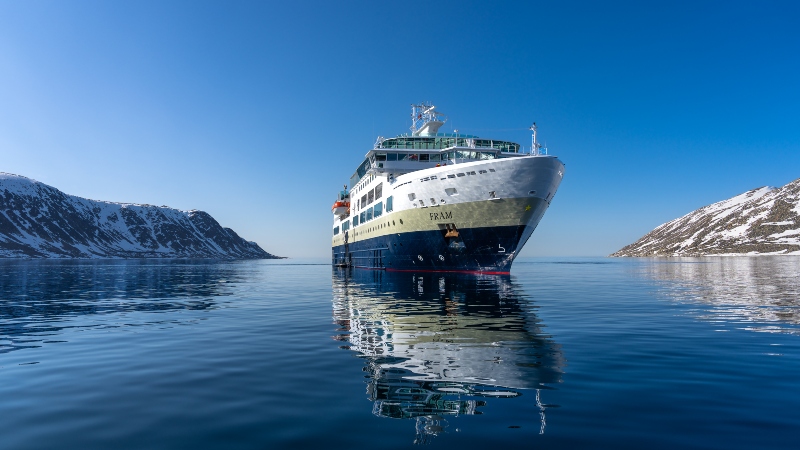
When to send clients
There is no single “best” time to visit Svalbard. Each season offers a distinctly different experience, making the time of year an important part of the sales conversation.
Spring – for the Arctic enthusiast
From March into May, the landscape remains firmly wintery, but the return of daylight transforms the experience. By April, the Midnight Sun begins its return, while the frozen landscape provides a dramatic backdrop for wildlife encounters. Polar bear sightings are possible, although never guaranteed.
Summer – for the first-time Arctic explorer
From mid-May through September, Svalbard enters its Polar Summer. The Midnight Sun remains above the horizon from April into late August, while migratory wildlife arrives and Arctic plants bring colour to the tundra. This is the season for small-boat exploration, kayaking, hiking and long days spent watching the landscape unfold.
Autumn – for photographers and repeat polar travellers
As the Midnight Sun disappears in late August, the light softens and the landscape takes on warmer tones. September brings Svalbard’s short “Golden Autumn”, when the tundra turns shades of red, copper and gold before winter returns.
Winter – for the Northern Lights seeker
From October, darkness returns to the archipelago, culminating in the Polar Night from November into January. For clients drawn to dramatic landscapes, stars and the possibility of seeing the Northern Lights, winter offers a completely different side of Svalbard.
The sales opportunity is simple: match the season to the client, rather than trying to find one universal “best time” to go.
The bucket-list experiences
Svalbard is a destination defined by encounters rather than attractions.
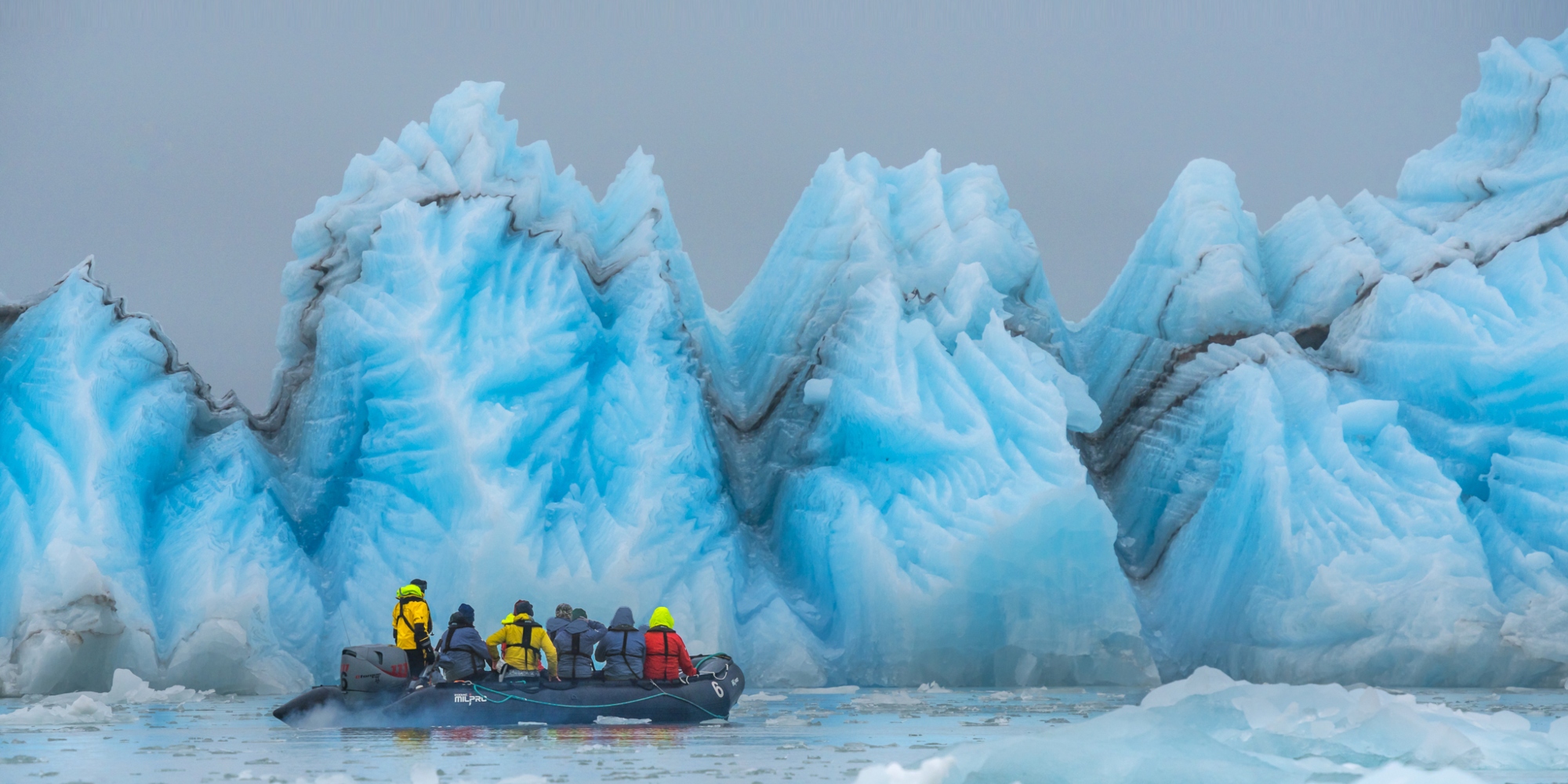
A Zodiac cruise can bring clients close to glaciers and drifting sea ice. On shore, the remnants of whaling stations, mining settlements and other traces of human activity tell the story of generations who ventured into this extreme environment.
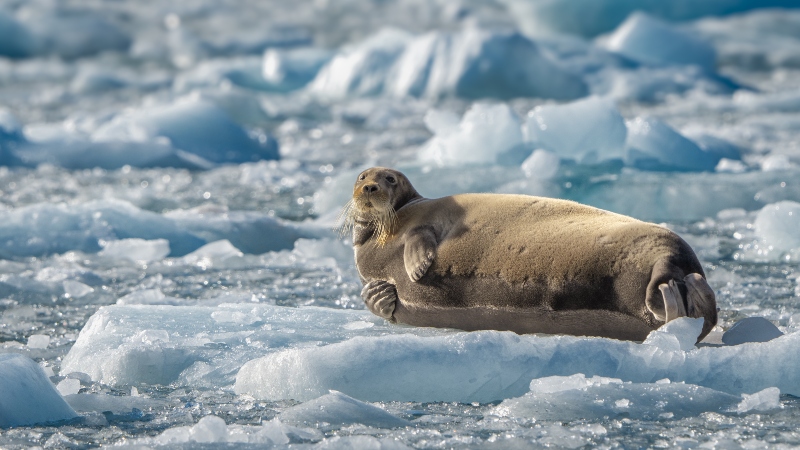
Wildlife is another major draw. Walruses haul out along the coast, Arctic foxes and reindeer roam the tundra, while seabirds gather around dramatic cliffs. From May to September, the nutrient-rich waters also bring opportunities to spot whales, including humpback, beluga and minke whales.
And then there is the polar bear.
Svalbard is firmly in polar bear territory, but encounters with these iconic animals are wild and unpredictable — exactly as they should be. There are no guarantees, but the possibility of seeing a polar bear moving across the ice or along a remote coastline is one of the experiences that makes a High Arctic expedition so compelling.
Nearly two-thirds of Svalbard’s land is protected through national parks, nature reserves and bird sanctuaries, helping preserve the extraordinary wildlife and landscapes that draw visitors north.
Who is the ideal Svalbard client?
Start with the traveller who has already ticked off the familiar big-hitters and is asking what comes next.
Svalbard is particularly well suited to curious, experienced travellers who want genuine adventure without sacrificing comfort, expert interpretation or a considered approach to travel. They might be passionate about wildlife, photography, nature, history or science — or simply looking for somewhere that feels unlike anywhere they have travelled before.
It is also a strong proposition for clients who want to push beyond conventional luxury travel. Here, the luxury is not necessarily found in the destination itself, but in the opportunity to experience an extraordinary environment safely and comfortably, accompanied by people who understand it.
In other words: sell the experience, not just the destination.
Why HX Expeditions?
HX has been exploring Svalbard since 1896, giving the company more than a century of experience in the High Arctic. Today, that heritage is paired with modern expedition technology, expert Expedition Teams and a programme designed to bring guests closer to the destination.
An HX expedition combines nature landings, expedition cruising, wildlife watching and opportunities to explore by small expedition boat and kayak. On board, guests can deepen their understanding of the destination through lectures, workshops and the Science Centre.
Safety is equally important. Svalbard is a genuinely wild environment with rapidly changing conditions, and polar-bear safety is taken seriously. Expedition Teams operate within Norwegian regulations and established Arctic expedition guidelines, allowing guests to experience the wilderness while maintaining a respectful distance from wildlife.
For advisors, that combination is important: clients get the feeling of reaching the edge of the world, backed by the expertise and infrastructure to make the experience achievable.
Choosing the right HX Svalbard expedition
The itinerary can then be matched to what matters most to the client:
- Svalbard in Spring: The Return of the Sun — a 9-day expedition sailing from Oslo to Longyearbyen and back, designed around the return of light and the dramatic spring landscape. It is a strong choice for clients drawn to the changing Arctic environment and early-season wildlife opportunities.
- Circumnavigating Spitsbergen: In the Realm of the Polar Bear — an 11-day expedition exploring the largest island in the Svalbard archipelago. The itinerary ventures through dramatic fjords and towards the ice edge, with opportunities to look for Arctic wildlife including walruses, whales and polar bears.
- Circumnavigating Svalbard: The Ultimate Expedition — for clients who want to go further. The 14-day itinerary aims to circumnavigate the entire archipelago, conditions permitting, venturing above the 80th parallel and east around Nordaustlandet.
- Sublime Svalbard: From Hamburg via Norway’s Springtime Fjords — a 16-day expedition combining Norway’s fjords and coastal landscapes with the High Arctic, making it an appealing option for clients who want to turn a Svalbard journey into a broader Nordic adventure.
The bottom line
Svalbard offers travel advisors something increasingly difficult to find: a destination that can still genuinely surprise a well-travelled client.
It is remote, but accessible. Wild, but carefully managed. Extraordinary, but not out of reach.
For clients who have seen the classic destinations and are ready to experience somewhere that feels truly beyond the ordinary, Svalbard offers the chance to go further — to the edge of the map and into a world shaped by ice, wildlife, light and the forces of nature.
Book now
With unbeatable offers, exciting incentives, and dedicated local support, HX is ready to help you deliver unforgettable expeditions for your clients. For more details and to make a booking call AU: 1300 159 127 | NZ: (03) 288 2085 or visit the Agent Portal.
Photo Credits: Jan Hvizdal