
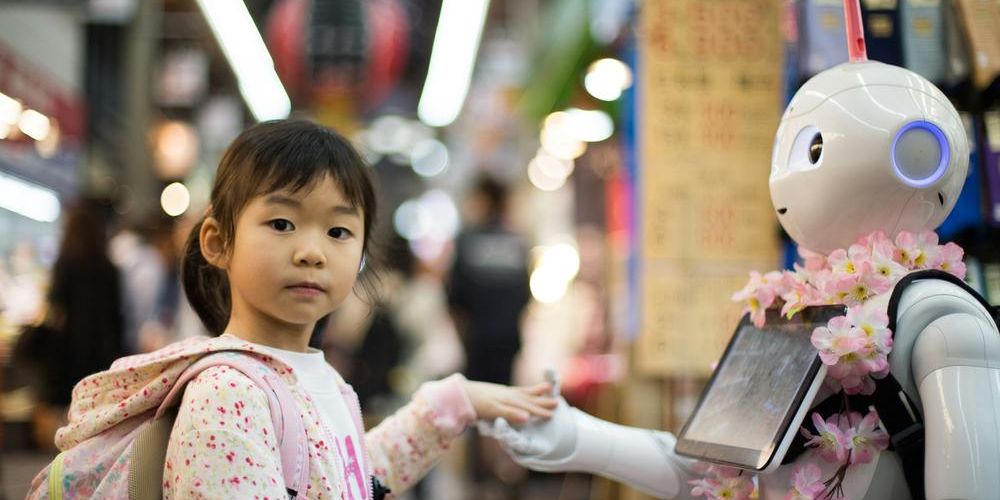
In what could well be a glimpse into the future (hopefully not involving Skynet), robots are being trialled as baggage handlers at a major international airport.
Japan Airlines is behind the move that could reshape airport ground operations and ease mounting labour pressures.
The airline will begin testing the robots at Tokyo’s Haneda Airport from May, with the machines tasked with moving luggage and cargo on the tarmac alongside human workers.
The trial, expected to run until 2028, forms part of a broader push to automate labour intensive airport roles.
Standing about 130 centimetres tall, the robots are designed to carry out physically demanding tasks such as loading containers and pushing baggage onto conveyor belts.
Early demonstrations have shown the machines working cautiously alongside staff, highlighting both their potential and current limitations.
Japan Airlines says the initiative is aimed at reducing the strain on ground crews, particularly as Japan faces a growing labour shortage driven by an ageing population and a surge in international tourism.
More than 60 million passengers pass through Haneda Airport each year, placing increasing pressure on airport staff.
Despite the technological leap, the airline has stressed that robots will not replace human workers entirely. Key responsibilities, including safety management and oversight of operations, will remain firmly in human hands.
If successful, the trial could see robots take on additional duties such as cleaning aircraft cabins or operating ground support equipment.
Industry observers say the use of humanoid machines, rather than wheeled automation, allows them to work more easily in confined airport environments without major infrastructure changes.
The trial reflects a broader trend across Japan’s aviation sector, where automation is increasingly being explored as a solution to workforce shortages and rising travel demand.





