A growing number of popular destinations are questioning whether UNESCO World Heritage status is still a blessing.
Some sites are reportedly seeking to distance themselves from the prestigious designation because of overtourism and mounting pressures on local communities.
According to a report by the BBC, sites in Europe and Africa are re-evaluating the benefits of UNESCO recognition, which has traditionally been viewed as a golden ticket to international fame, increased visitor numbers and greater conservation funding.
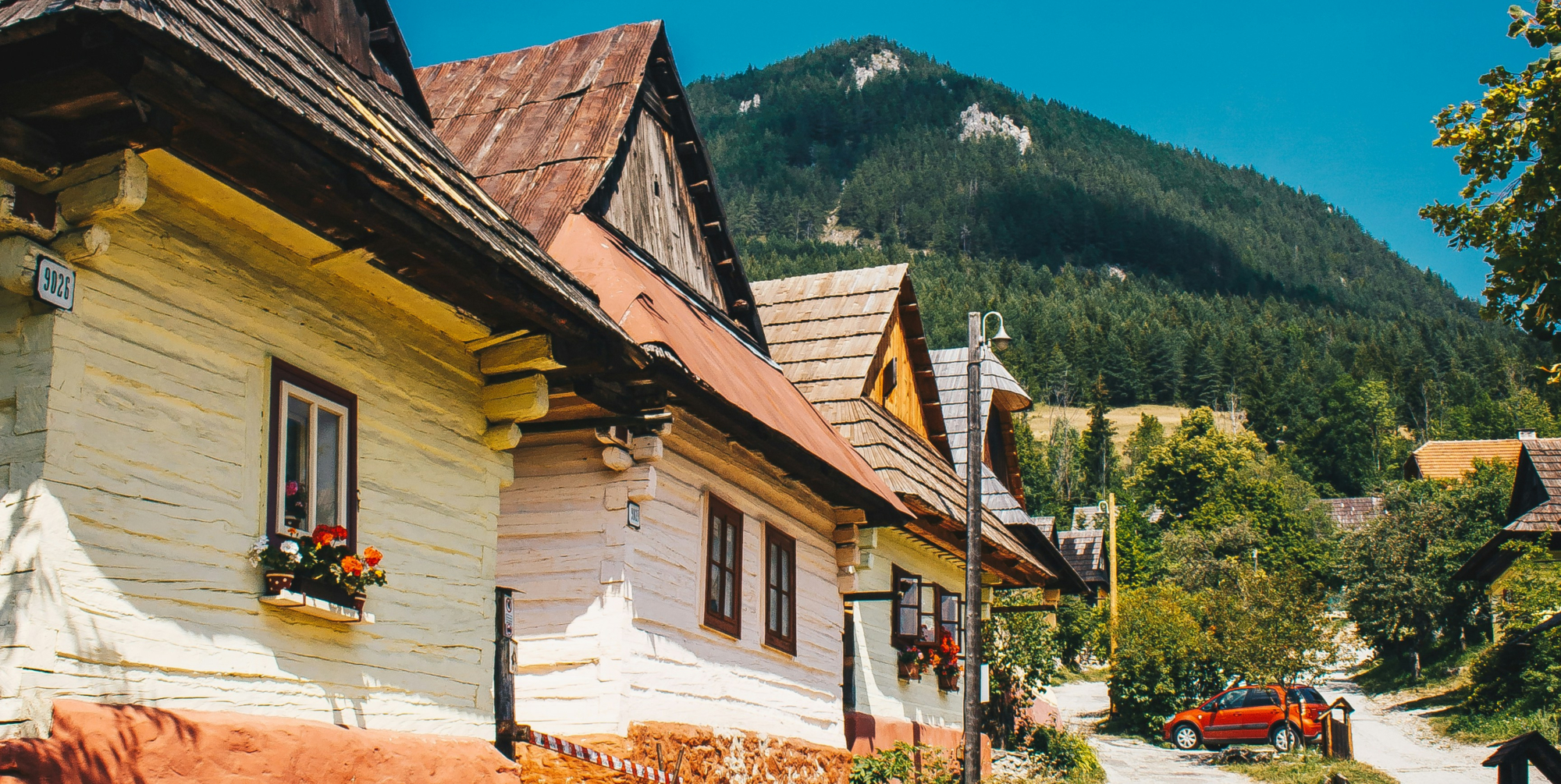
In Slovakia, the village of Vlkolínec (main image) was added to the World Heritage list in 1993 due to its distinctive architecture, including an 18th Century bell tower.
Now the residents want the listing removed, concerned that the 100,000 visitors a year the village attracts are doing more harm than good.
Meanwhile the Maasai International Solidarity Alliance has reportedly called for the famous and historically significant Ngorongoro Conservation Area (below) to be similarly delisted, citing residents being displaced from ancestral lands.
 The first 12 sites were identified in 1978 but UNESCO currently oversees 1,248 World Heritage sites globally, with the designation often regarded by travellers as a bucket list endorsement.
While the status has long been regarded as a mark of global significance, critics argue that the attention it generates can also create significant challenges, including overcrowding, environmental degradation and rising living costs for local residents.
“I think the consensus among the leading experts in the world is that there is a whole range of possible things that can result from getting a UNESCO listing, but one that will definitely happen is increased visitation,” Greg Richards, a researcher who studies cultural tourism and overtourism, told the BBC.
The issue comes as overtourism becomes a growing concern worldwide. Popular destinations across Europe and Asia have seen increasing protests from local communities frustrated by overcrowding, pressure on housing markets and strains on infrastructure.
The BBC report also noted that losing UNESCO status does not necessarily lead to a collapse in tourism.
Previous examples, including Liverpool’s Maritime Mercantile City in the United Kingdom, retained strong visitor interest even after being removed from the World Heritage List in 2021.
For Australian travellers, UNESCO sites remain some of the world’s most sought after destinations, with many itineraries built around visiting famous heritage locations.
However, the growing pushback from some destinations could influence future tourism policies, including visitor caps, new entry fees and stricter management measures aimed at reducing tourism’s impact.
The BBC report suggests the changing attitudes towards UNESCO status may mark a significant shift in how destinations measure tourism success, with growing emphasis on sustainability rather than simply attracting ever larger numbers of visitors.
“We certainly recognise that tourism has changed dramatically over the last 10 to 15 years,” commented Peter DeBrine, a UNESCO sustainable tourism specialist, in the BBC report.
“We’re not trying to discourage tourism at all but just help that tourism to support conservation and the heritage. World Heritage Sites are there for everybody. They’re for all humanity. We do want people to visit them, to experience them.”