Today’s travellers are moving away from tightly scheduled itineraries toward experiences that emphasise connection, whether through food, local traditions or time spent in nature.
In these destinations, the appeal lies less in checking off landmarks and more in how visitors engage with a particular place.
“Travelers are increasingly looking for trips that feel personal and grounded in place,” said Andrew Smith, Senior Vice President, Supply at Agoda.
“Destinations like Galle and Ubud naturally support this shift, offering the time and space to engage more meaningfully with local culture whether through food, traditions, or simply slowing down.”
Agoda’s selection spans heritage towns, cultural centres and nature-rich regions, each offering a distinct rhythm.
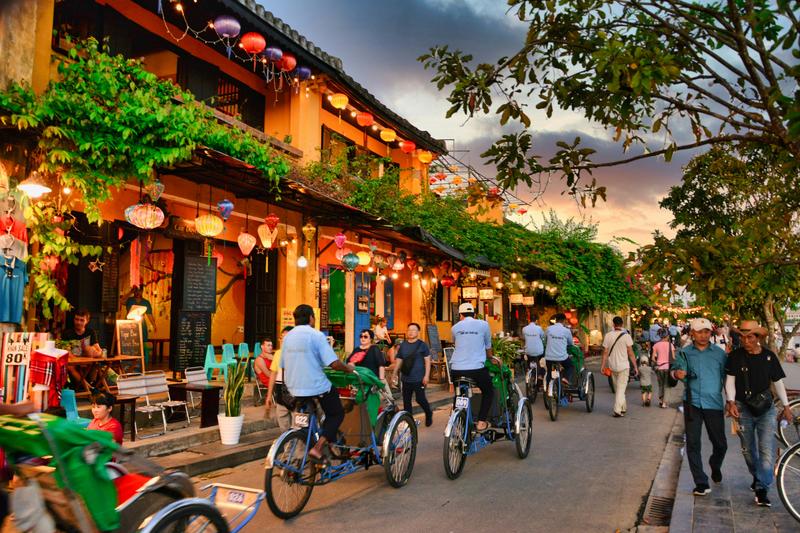 Hoi An, Vietnam: Hoi An’s compact old town encourages exploration on foot or by bicycle.
Beyond its lantern-lit streets, travellers often spend time in tailor shops crafting custom garments, join cooking classes that begin with market visits, or cycle through rice paddies to coastal villages.
The town’s layered trading history is reflected in its architecture and cuisine, shaped by Vietnamese, Chinese and Japanese influences.
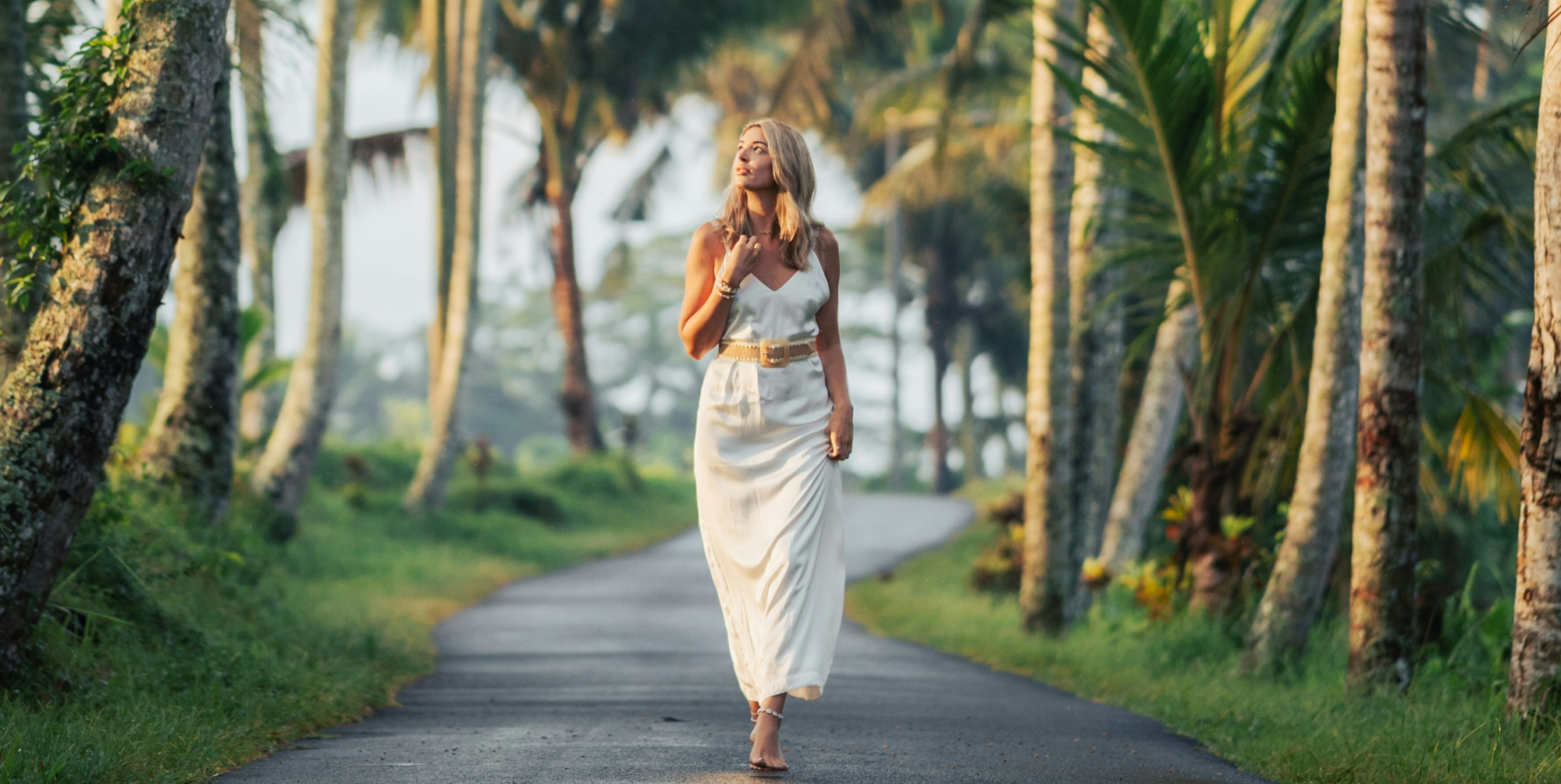
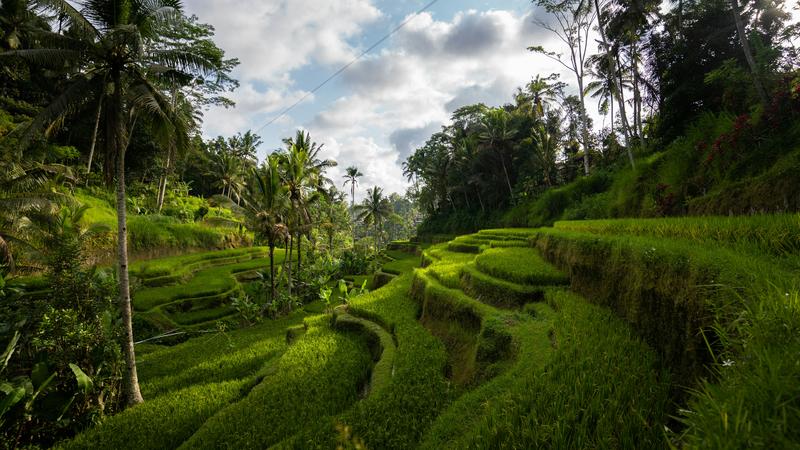 Ubud, Bali, Indonesia: Ubud’s appeal lies in its balance of landscape and creative life.
Mornings often begin with walks through terraced rice fields such as Tegallalang, followed by time in artist studios or workshops specialising in wood carving and batik.
Wellness remains central, with yoga, meditation and traditional Balinese healing practices integrated into daily routines.
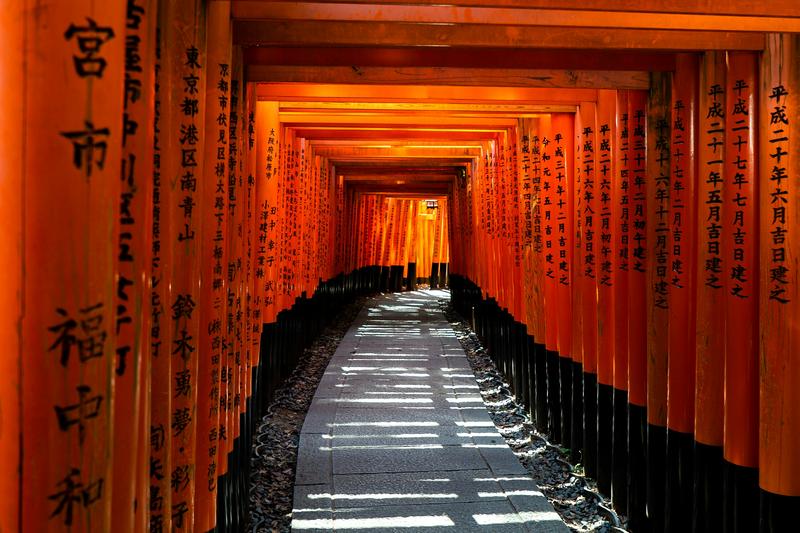 Kyoto, Japan: Kyoto offers a structured form of slow travel shaped by seasonality and tradition.
Visitors move between neighbourhoods to experience tea ceremonies, temple gardens designed for contemplation and seasonal cuisine such as kaiseki dining.
Walking routes through areas like Arashiyama’s bamboo grove provide a deliberate, reflective pace tied to the natural calendar.
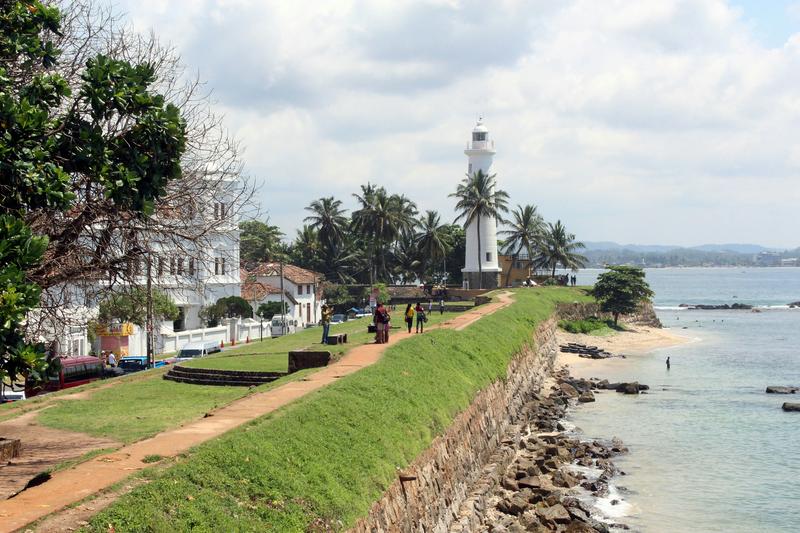 Galle, Sri Lanka: Within the walls of Galle Fort, daily life unfolds at a measured pace.
Travellers spend time in restored colonial villas, independent galleries and small cafés, with the Indian Ocean never far from view.
The surrounding coastline offers quieter beaches, while local artisans continue traditions in lacemaking and jewellery.
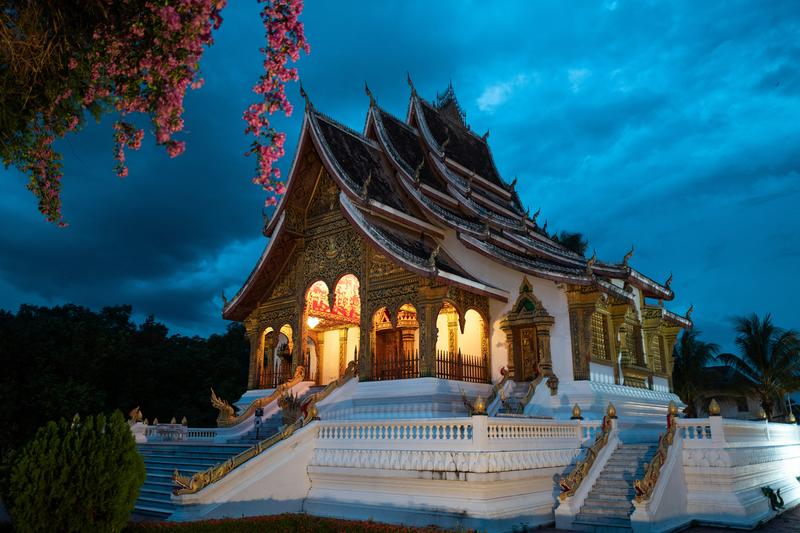 Luang Prabang, Laos: Luang Prabang is renowned for its serene atmosphere and rich cultural heritage.
Nestled between the Mekong and Nam Khan rivers, this UNESCO World Heritage site invites travellers to explore its ancient temples, participate in traditional almsgiving ceremonies and enjoy leisurely boat rides.
The town’s blend of French colonial architecture and Laotian culture creates a unique backdrop for slow exploration.
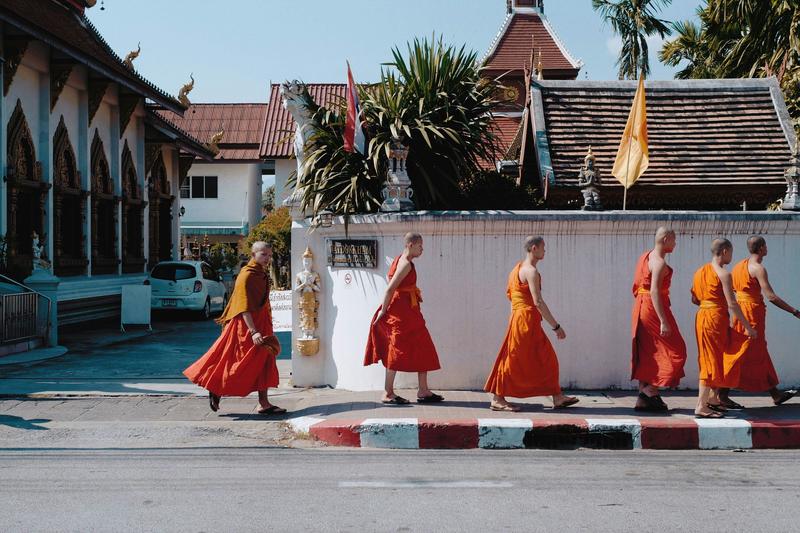 Chiang Mai, Thailand: Chiang Mai combines a strong cultural foundation with access to northern Thailand’s landscapes.
Visitors often structure their stay around temple visits, meditation retreats and cooking schools that focus on regional Lanna cuisine.
Outside the city, time is spent in mountain communities, national parks and ethical elephant sanctuaries.
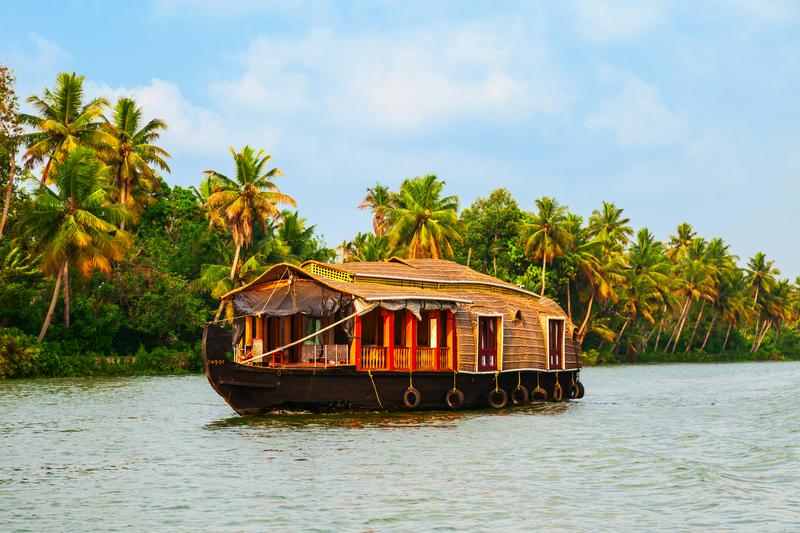 Kerala, India: Kerala’s slower rhythm is most evident along its backwaters, where houseboat journeys pass through villages, coconut groves and paddy fields.
On land, travellers explore spice plantations, attend Kathakali performances, or follow Ayurveda-based wellness programs.
The state’s cuisine, built around coconut, seafood and spices, is central to the experience.