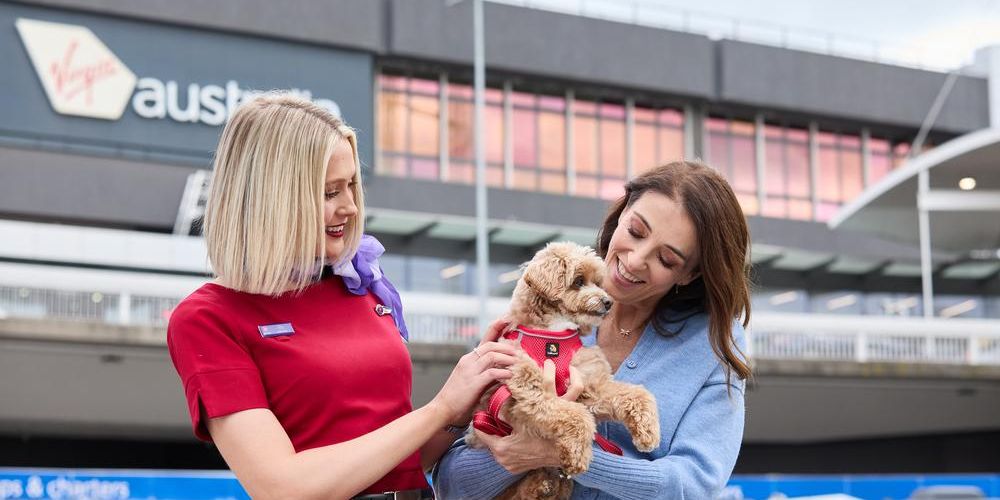
Virgin Australia has confirmed it will allow pets on eligible domestic flights on an ongoing basis and expand its current network to include select services to and from Adelaide and Launceston following the Easter holiday period.
The announcement came as the airline prepares to welcome its 1,000th pet onboard this month, underscoring the rapid uptake and growing popularity of such flights. The airline continues to work with more airports on a potential future expansion of the service.
“The success of Pets in Cabin shows just how much Australians value travelling with their pets and keeping them close,” said Dr Katrina Warren, TV Vet.
“Taking steps to broaden the service is a positive move for pet families and it’s encouraging to see momentum building.”
Dog nutrition experts Years has now analysed airline pet policies and shared expert guidance on what dogs should (and shouldn’t) eat before flying, to reduce stress, bloating and in-flight discomfort.
Dogs must usually:
- Weigh around 8kg or less including carrier
- Travel in an approved soft carrier
- Remain under the seat for the duration of the flight
- Be booked in advance (spaces are limited)
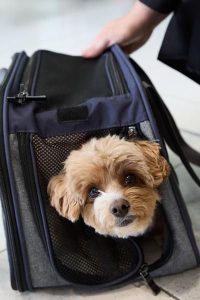 Airlines that allow dogs in the cabin include Virgin Australia, KLM Royal Dutch Airlines, Lufthansa, Air France, Vueling Airlines, Aegean Airlines, Iberia, Air Canada, Turkish Airlines and Qatar Airways.
What Dogs Should Eat Before Flying
According to Years, diet plays a major role in how dogs cope with air travel, particularly when it comes to digestion, anxiety and motion sensitivity.
“Flying is unfamiliar for dogs, changes in pressure, temperature and routine can all affect digestion. The goal is to keep the gut calm, stable and predictable before travel,” a spokesperson for Years said.
Best foods for dogs before flying include:
- Light, easily digestible meals (lean proteins with simple carbohydrates)
- Pre- and probiotics, which support gut balance and reduce gas
- Omega-3 fatty acids, which can help regulate inflammation and stress responses
- Small meals, served several hours before departure rather than right before boarding
“Calm digestion often equals a calmer dog,” the spokesperson added. “A settled stomach reduces discomfort, restlessness and excessive panting during flights.”
What To Avoid Feeding Dogs Before A Flight
Years advises owners to avoid foods that are known to cause bloating, gas or nausea, particularly before flying.
Foods to avoid include:
- Rich or fatty foods
- Large meals close to departure
- Dairy products
- High-fibre vegetables such as beans or lentils
- New or unfamiliar treats
- Human leftovers, which can ferment in the gut at altitude
“Gas expands at altitude,” the spokesperson explained. “Foods that might seem harmless at home can become very uncomfortable in the air, leading to whining, restlessness or distress.
“Airlines are setting clear boundaries around size, weight and behaviour. For owners, preparation is everything, from booking early to feeding correctly. When done right, flying with a dog can be calm, safe and surprisingly straightforward.”