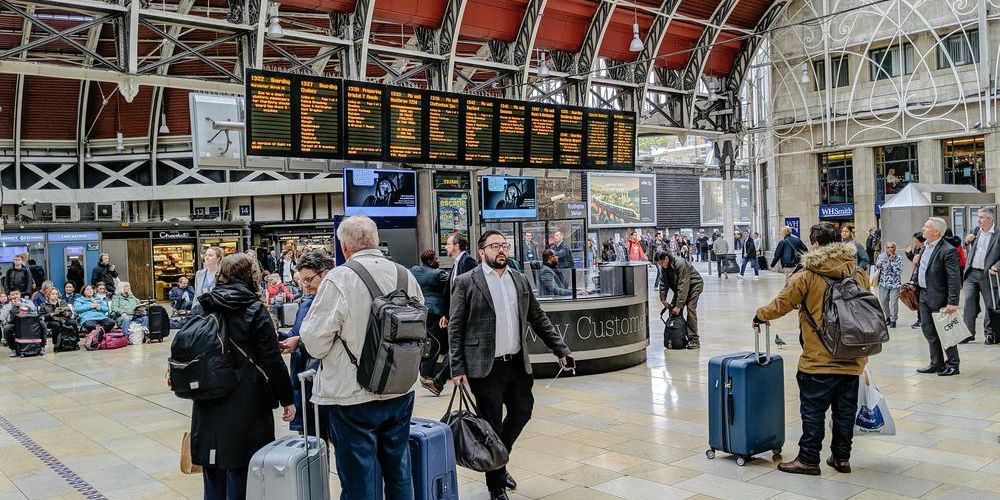
That’s the claim of the Board of Airline Representatives of Australia (BARA), representing more than 40 international airlines.
The organisation points to data from the Australian Competition and Consumer Commission (ACCC) which showed that Australia’s four major international airports collectively generated $1.2 billion in aeronautical operating profits in 2024–25.
This level of return reinforces BARAs long standing concern about the limited regulatory constraints on monopoly airport charges in Australia.
“BARA’s airline members support targeted investment in Australia’s airports that enables growth, is efficient and enhances the passengers travel experience,” said Stephen Pearse, BARA Executive Director.
“However, it is the customer who ultimately pays for these costs in higher airfares and the ACCC’s report again demonstrates that the current framework allows airports with significant market power to generate excessive returns.”
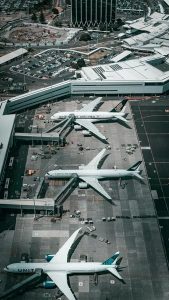 The data showed that Sydney recorded $584 million in aeronautical operating profit, Melbourne $236 million, Brisbane $215 million and Perth $131 million last year alone.
“The profit margins these represent, which exclude additional returns from retail, duty free and other commercial activities, underlines why it is timely for the Productivity Commission to now examine whether the current monitoring regime remains fit for purpose,” Mr Pearse added.
“The major airports are all planning significant expansion projects totalling over $20 billion in the coming decade.
“Whilst BARA supports appropriate infrastructure spend, without effective economic oversight these investment costs and the increased airport returns they generate are reflected in higher airport charges to airlines, which ultimately pass through as higher airfares to travellers.
“BARA continues to engage the Australian Government on behalf of its members about the need for a more balanced approach to ensure that global international aviation market remains competitive into Australia.
“Every wide-body aircraft that lands at an Australian airport delivers around $150-190m in economic added value to the nation, which is it why it is critical airfares remain competitive to stimulate continued growth of international services to Australia.”
Mr Pearse said action needed to be taken now by asking the Productivity Commission to undertake a fresh airport inquiry “as a matter of priority”.
“Sensible reforms include the consideration of an independently determined cost-of-capital model set by the ACCC and the introduction of an accessible and independent negotiate arbitrate process that can be triggered if airlines and airports cannot reach appropriate commercial agreements on price.
“Ultimately, in a global aviation market, Australia competes to attract the international airline traveller versus other destinations in an increasingly competitive market.”