The tourism sector has welcomed the government’s fuel support measures, which will encourage more Aussies to go ahead with their travel plans this Easter.
It was announced yesterday that the fuel excise on petrol and diesel would be halved for three months, starting on April 1. This move is estimated to reduce the cost of fuel by more than 26 cents a litre.
The government is also helping truck drivers affected by the Iran conflict by reducing the heavy vehicle road user charge to zero for three months.
Margy Osmond, Tourism & Transport Forum (TTF) Australia CEO, said the changes would ease cost pressures for travellers and give more people confidence to keep their holiday bookings, rather than cancelling or scaling back their trips.
“We’ve been hearing from operators across the country that rising fuel prices are causing Australians to rethink their travel plans or choose to stay closer to home,” Ms Osmond said.
“This announcement will help reduce prices, taking some of that pressure off household budgets and ensure more people take that family trip at Easter.”
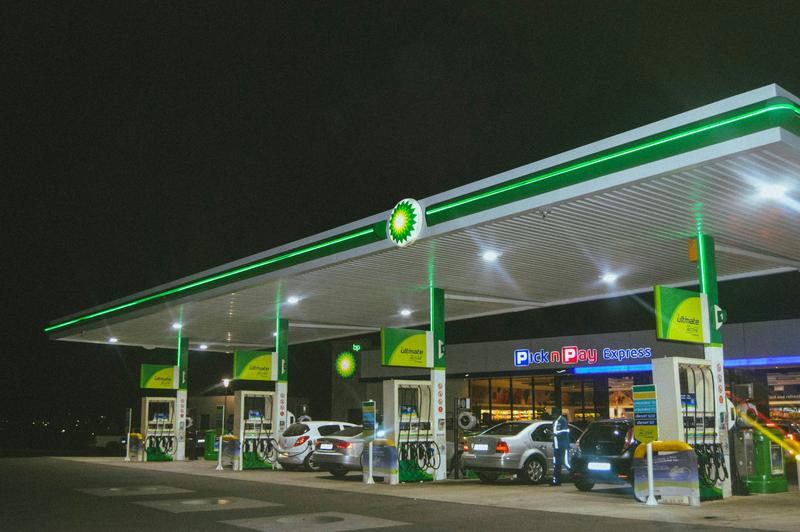 Ms Osmond said the relief would be particularly important for regional tourism operators, who have been severely impacted by higher fuel costs.
“Regional communities have been on the front line of this fuel price surge, with fewer visitors willing to make longer journeys or fear getting stuck in regional areas due to fuel shortages,” she said.
“Measures like this will go a long way to supporting the flow of fuel through the supply chain, drive visitation and support regional businesses that depend on tourism dollars.”
Ms Osmond said the temporary removal of the road user charge for heavy vehicles would also help ease supply chain pressures and reduce costs for tourism operators, particularly in accommodation and hospitality.
“Anything that helps bring down transport costs across the supply chain is a win for the entire tourism sector, which is still managing rising operating expenses,” she said.
However, she said further action was needed to address soaring aviation fuel costs, which continue to place significant pressure on airlines and airfares.
“While this is a very welcome step, it doesn’t fully address the challenges facing the aviation sector, where high jet fuel prices are continuing to drive up the cost of flying,” Ms Osmond said.
“If we want to see a full recovery in tourism and keep travel accessible for Australians, we also need to look at measures that support the aviation industry.
“We look forward to continuing to work with the Australian Government on solutions that support both land and air travel, ensuring Australians can stay connected and keep travelling.”
The government’s actions have also been welcomed by the Australian Tourism Industry Council, who point out that tourism in regional Australia generates an estimated $15.4 billion in visitor spend and supports around 53,700 jobs in the June quarter.
“The decision to ease fuel costs will make it easier for families to get on the road these school holidays and continue supporting regional destinations,” said Erin McLeod, CEO of the ATIC.
“Every trip taken – particularly to a regional destination – directly supports local businesses and the people they employ.”