
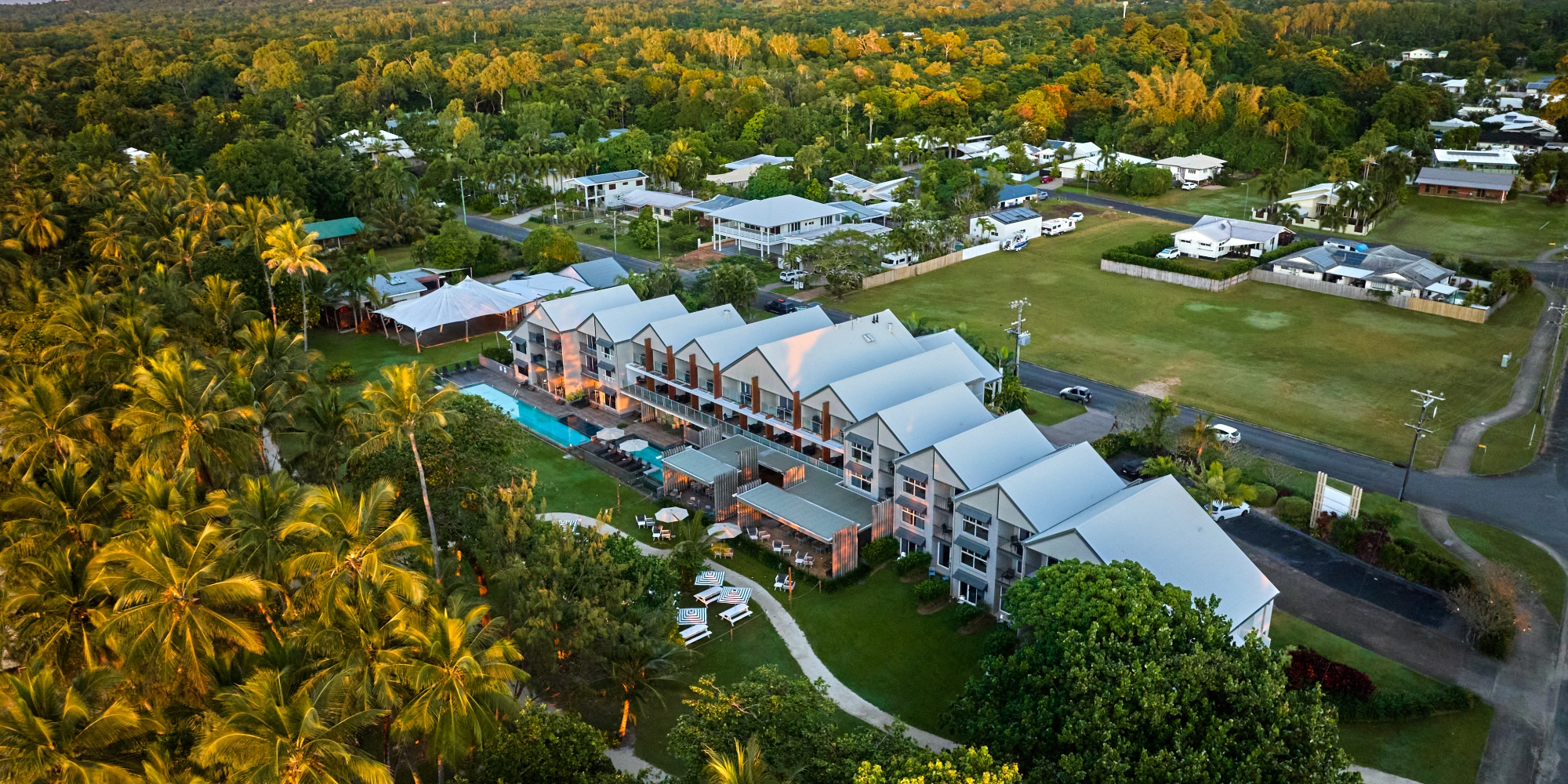
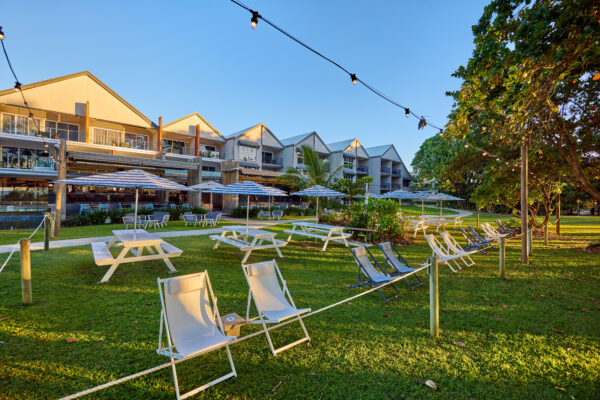
Club Wyndham Mission Beach has completed a multi-million dollar refurbishment, breathing new life into one of Far North Queensland’s most beloved beachfront resorts and adding fresh momentum to tourism on the Cassowary Coast.
The resort, long known to visitors as Castaways before its purchase by Travel + Leisure Co., has seen all 48 suites transformed with a palette inspired by the Great Barrier Reef and Wet Tropics rainforest.
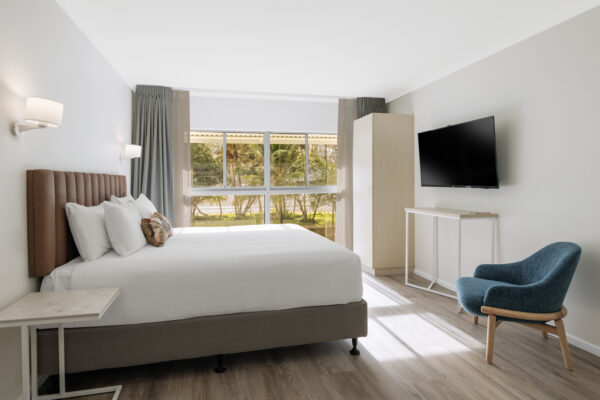
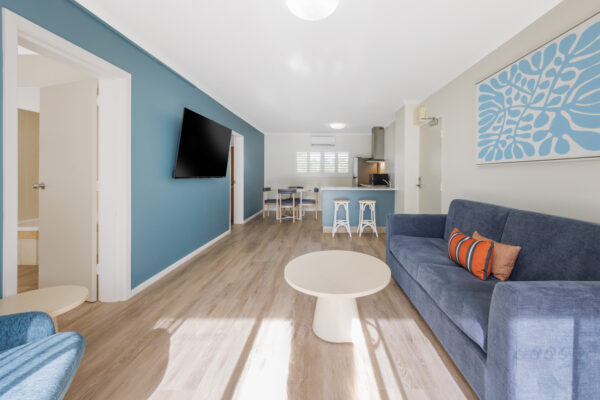
Turquoise, coral and white tones set the tone throughout, with new furniture, light timber finishes, soft sandy textures and vibrant accents across all studio, one-bedroom, two-bedroom and loft-style apartments.
Kitchenettes have been added to studio rooms, new kitchens installed in one-bedroom Grand apartments and blackout curtains added throughout.
Warren Cullum, Travel + Leisure Co. Senior Vice President Operations, said the resort would now enter a regular cycle of refurbishment as part of the club ownership model.
“Research shows that our vacation owners spend more on holidays than regular travellers and vacation ownership properties have higher rates of occupancy than traditional hotels and resorts. We are already seeing increased visitation to the property,” Mr Cullum said.
Alicea Blanks, Club Wyndham Mission Beach General Manager, said many guests were discovering the destination for the first time.
“They love the seclusion the town offers and the friendliness of the locals, and they enjoy the idea they can experience all the attractions without the crowds found at more established destinations,” Ms Blanks said.
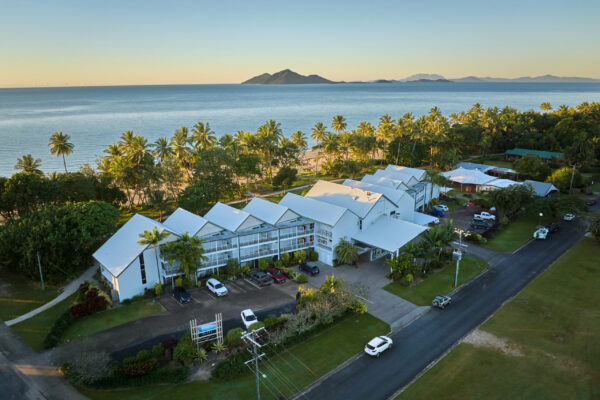
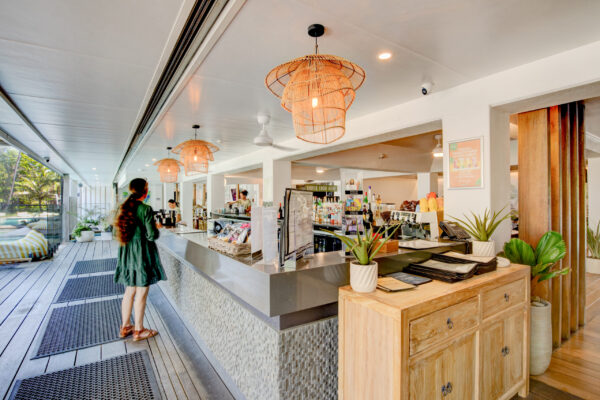
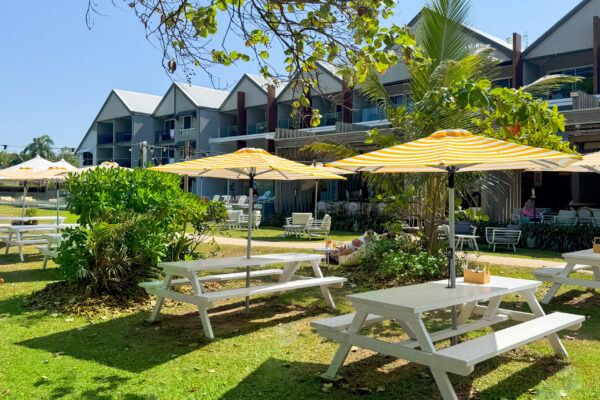
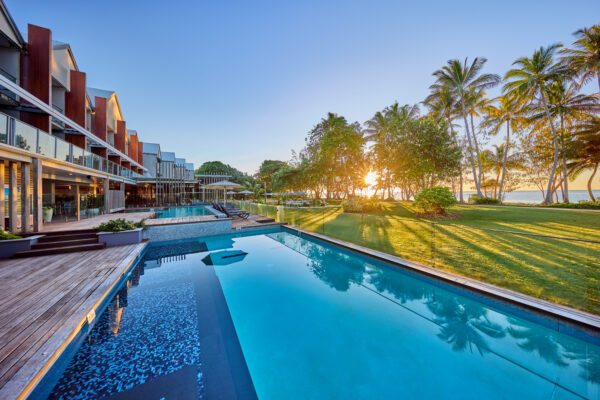
The refurbishment coincides with the Cassowary Regional Council’s $19 million Mission Beach Town Centre Revitalisation Project, which includes new footpaths, street lighting, landscaping and upgrades to the village green and porter promenade.
Mission Beach offers access to the closest coastal launch point to the Great Barrier Reef, UNESCO-listed Wet Tropics rainforest, secluded Dunk Island and some of Australia’s best white water rapids on the nearby Tully River.
The project employed approximately 15 local tradespeople and is estimated to generate a direct and indirect economic contribution of close to $10 million annually.





