Visitors to Kyoto will have the chance to immerse themselves in some of Japan’s most treasured cultural traditions this year, with three of the city’s most iconic festivals set to take centre stage across the second half of 2026.
Following the successful staging of the centuries-old Aoi Matsuri in May, Kyoto is preparing to welcome domestic and international visitors to three major cultural events that have helped shape the city’s identity for generations: Gion Matsuri in July, Kyoto Gozan Okuribi in August and Jidai Matsuri in October.
Each festival offers a unique insight into Kyoto’s rich history and enduring traditions, providing travellers with authentic cultural experiences that continue to be celebrated by local communities today.
The first of the major events, Gion Matsuri, will run throughout July. Recognised as one of Japan’s most famous festivals, the event dates back to 869 and began as a ritual to ward off an epidemic. Today, it is celebrated with a month-long program of ceremonies, cultural activities and the renowned Yamaboko Junko processions on July 17 and 24, when towering, elaborately decorated floats parade through the streets of central Kyoto. Visitors can also experience the lively Yoiyama evenings, with lantern-lit streets and traditional townhouses opening their doors to the public.
On August 16, the focus shifts to Kyoto Gozan Okuribi, one of the city’s most distinctive summer traditions. Held at the conclusion of the Obon season, the event sees giant bonfires illuminated on five mountains surrounding Kyoto, creating symbolic characters and shapes across the night sky. The ceremony serves as a traditional farewell to ancestral spirits and remains one of Kyoto’s most memorable annual observances.
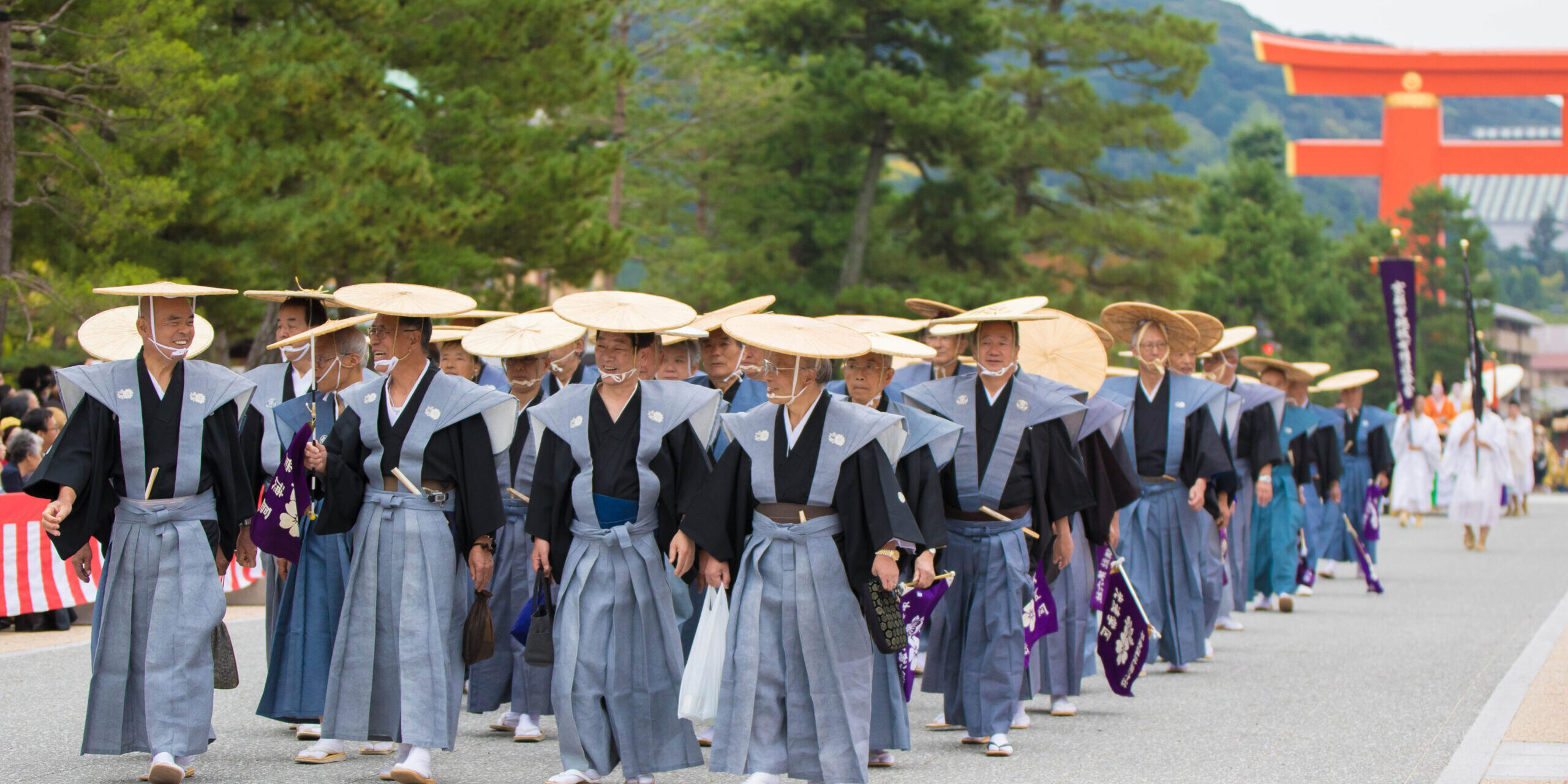
Rounding out the festival calendar is Jidai Matsuri on October 22. Known as the “Festival of the Ages”, the event commemorates the founding of Heian-kyo, the ancient capital that became modern-day Kyoto. Approximately 2,000 participants take part in a spectacular historical procession, wearing meticulously recreated costumes representing more than 1,000 years of Japanese history. The parade showcases Kyoto’s pivotal role in the nation’s cultural and political development across the centuries.
Tourism officials say the trio of festivals highlights the diversity and depth of Kyoto’s cultural heritage, offering visitors an opportunity to connect with traditions that remain central to the city’s identity.
Travellers planning to attend are encouraged to book early, with the festivals attracting significant interest from both domestic and international visitors each year. Visit www.Kyoto.travel