Australia’s love affair with road trips continues to grow, with more travellers swapping hotels for campsites and exploring everything from the Red Centre to the Kimberley, Tasmania’s wilderness and the beaches of the East Coast. For many, the next step is upgrading from a traditional ground tent, but deciding between a roof top tent and a camper trailer isn’t always straightforward.
Both options offer a more comfortable way to explore the country, but they suit very different styles of travel. Whether you’re planning quick weekend escapes, an extended lap of Australia or regular off road adventures, the best choice depends on how you like to travel.
Before investing in new gear, it’s worth asking yourself a few simple questions. Are you a weekend adventurer, a long distance tourer, a family traveller or someone who spends weeks exploring remote tracks? Your answer will often determine which setup is the better fit.
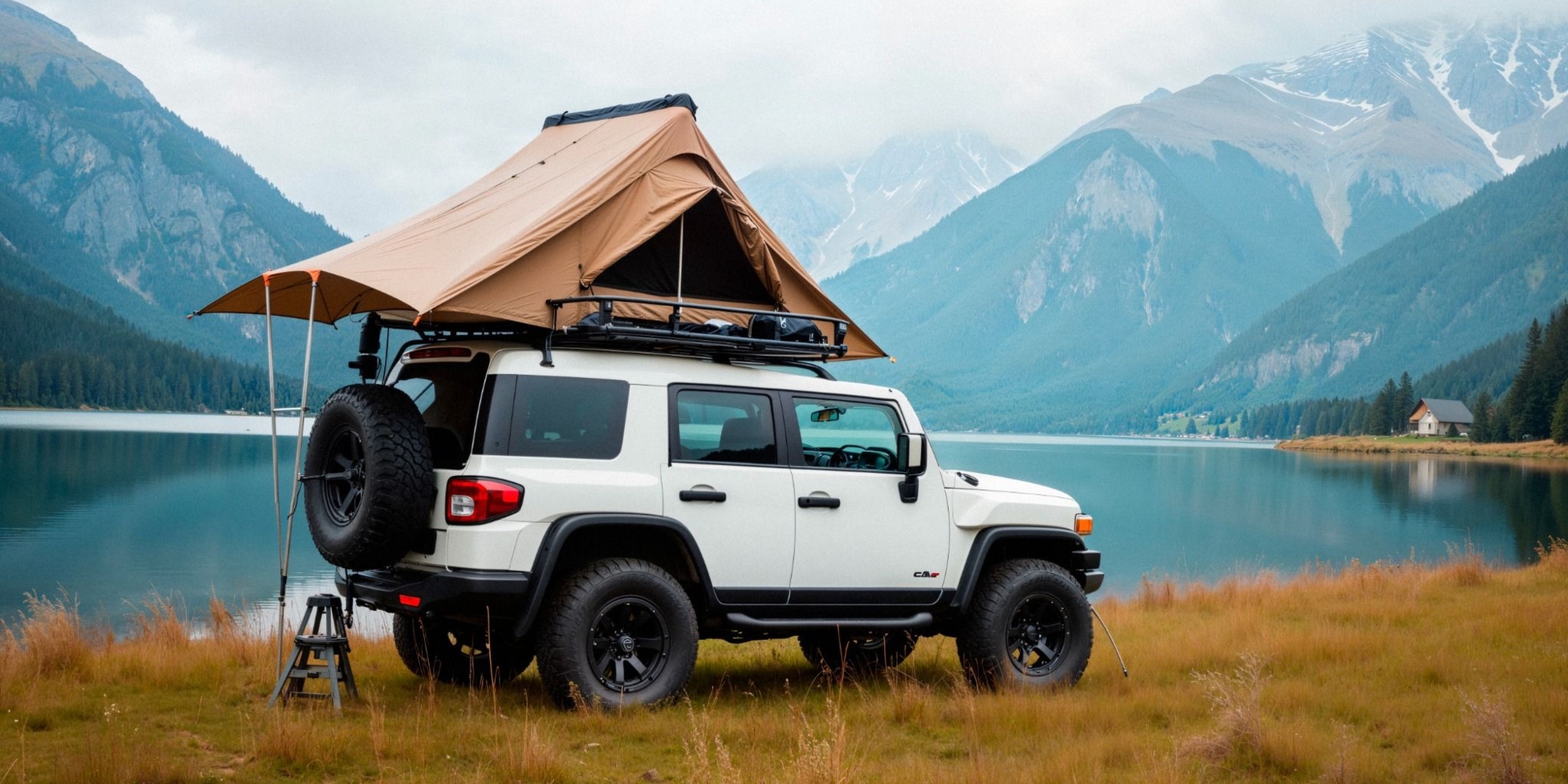
A roof top tent mounts directly to your vehicle or roof rack, unfolding into an elevated sleeping platform above the ground. They have become increasingly popular with 4WD owners thanks to their compact design, quick setup and ability to tackle remote destinations without the hassle of towing.
A camper trailer, on the other hand, is designed to be towed behind your vehicle and typically combines sleeping quarters with generous storage and, in many cases, built in kitchens, water tanks, fridges and electrical systems. Some modern models offer comfort approaching that of a small caravan while still retaining off road capability.
One of the biggest differences is setup time. A roof top tent can often be ready within minutes. Simply park, unfold the tent and you’re ready for the night. That makes it ideal for travellers covering long distances or moving to a new campsite every day.
Camper trailers generally require more time to set up, particularly if you’re using annexes or outdoor kitchen areas. However, for travellers planning to stay several nights in one location, the extra effort is often rewarded with significantly more living space and comfort.
Mobility is another important consideration. A roof top tent keeps everything attached to your vehicle, making it easier to navigate narrow tracks, rough terrain and remote destinations. Without a trailer behind you, reversing, parking and negotiating technical off road sections is considerably simpler.
Camper trailers are better suited to travellers establishing a base camp before heading out on day trips. One major advantage is that you can leave the trailer set up at camp while taking the vehicle to explore nearby attractions without having to pack everything away.
Storage is another area where camper trailers shine. While roof top tent users still rely on the vehicle for all their gear, camper trailers offer dedicated storage for camping equipment, food, clothing and recreational gear, making them particularly attractive for families or extended holidays.
Cost is also worth considering. Roof top tents generally have a lower upfront purchase price and require less ongoing maintenance. Camper trailers are usually a larger investment and come with additional expenses such as registration, tyres and servicing, although they deliver greater comfort and storage in return.
Weather can also influence your decision. Roof top tents provide elevated sleeping away from damp ground and often benefit from improved ventilation during warmer months. Camper trailers generally offer more enclosed living space and greater protection during extended periods of rain or poor weather.
So which option is right for you?
If your travel style involves frequent overnight stops, off road exploration and covering plenty of kilometres, a roof top tent is likely to be the more practical solution. If you’re travelling with family, staying several nights at each destination or want the convenience of leaving camp set up while you explore, a camper trailer may prove to be the better long term investment.
There is no universally better option, only the one that best matches the way you travel.
For travellers considering either option, it’s worth comparing different models and features before making a decision. Learn more to find the setup that best suits your next adventure.