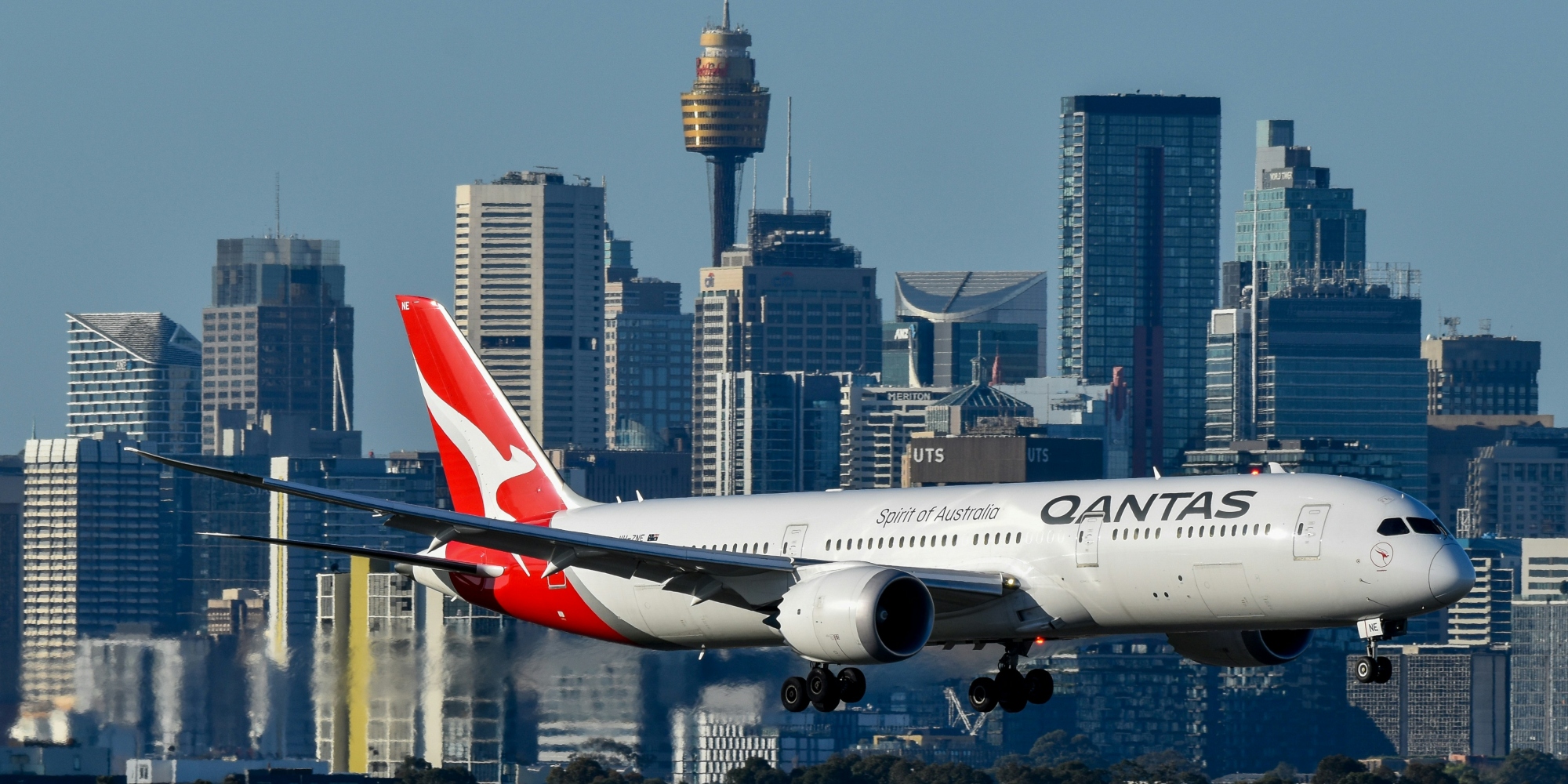
Qantas Group has reported an underlying pre-tax profit of $2.06 billion for the 2026 financial year as more than 600 ground workers vote on possible industrial action over pay, safety and working conditions.
The airline’s underlying result was $330 million lower than the previous year, while statutory profit after tax fell $316 million to $1.29 billion.
Qantas attributed much of the decline to record fuel prices and disruption caused by conflict in the Middle East. Its annual fuel bill increased by $610 million, although fare and capacity adjustments, aircraft redeployment and other measures reduced the net impact on earnings to $420 million.
“This has been another year of progress, with customer satisfaction at its highest in a decade and world-leading operational performance, even as the aviation industry faced record high fuel costs and disruption from the conflict in the Middle East,” Qantas Group CEO Vanessa Hudson said.
“We came through it with a strong result, which is what allows us to continue investing in the largest fleet renewal in our history and deliver more for our customers, people and shareholders.”
The Transport Workers’ Union criticised the result as a protected industrial action ballot involving more than 600 Qantas Ground Services employees closed on Thursday. A further ballot involving approximately 100 workers at Qantas subsidiary Australian Air Express is expected to commence shortly.
The ballot does not automatically mean industrial action will take place. It gives eligible workers the opportunity to authorise protected action while negotiations over a new enterprise agreement continue. Qantas has previously said the employees involved work predominantly in freight operations and any action would be expected to have minimal impact on passengers.
The TWU claims conditions for the remaining Qantas Ground Services workforce have deteriorated since the airline outsourced 1,700 ground-handling positions. The High Court ruled in 2023 that Qantas had acted illegally when it outsourced those jobs during the pandemic.
“New Qantas management is still following the playbook that was written by Alan Joyce: short-term profits over absolutely anything else,” TWU National Secretary Michael Kaine said.
“Hundreds of Qantas workers are now voting on industrial action. They’ve had enough of this company doing everything possible to make their jobs less secure and less safe.”
The union also raised concerns about safety at Qantas Freight, saying its NSW health and safety representatives had issued 14 provisional improvement notices. Investigations are continuing following the death of a labour-hire worker at Qantas Freight’s Sydney International Freight Terminal last year.
Qantas has previously said it remains committed to reaching an agreement that improves pay and conditions while maintaining a sustainable business.
In its full-year announcement, Qantas said it had created 4,400 operational roles in Australia since 2023 and would add thousands more as its fleet and network expanded. Around 25,000 non-executive employees will also receive $1,000 in Qantas shares under the group’s Employee Ownership Plan.
The board approved a fully franked final dividend of $300 million, or 19.8 cents per share, taking total dividends for the year to $600 million. However, a previously announced $150 million share buyback will not proceed.
For customers, Qantas announced new Business Suites for its Airbus A321XLRs, introducing lie-flat beds on a Qantas single-aisle aircraft for the first time. An updated Business Suite will also be installed on additional Boeing 787-9s arriving from FY28.
The group received 17 new aircraft during FY26, with up to 31 more expected in FY27. Its first Project Sunrise Airbus A350-1000ULR is due to arrive in April 2027, ahead of the planned launch of non-stop Sydney–London services in October.
Qantas also confirmed its Airbus A380s would be progressively retired from 2028 and said it was discussing converting approximately 20 existing Airbus and Boeing purchase options into firm orders from 2030.
Qantas Frequent Flyer membership grew to almost 19 million, with more than five million Reward Seats booked during the year. From 8 December, members will be able to earn status through eligible everyday spending and roll over up to 50 per cent of excess Status Credits.