
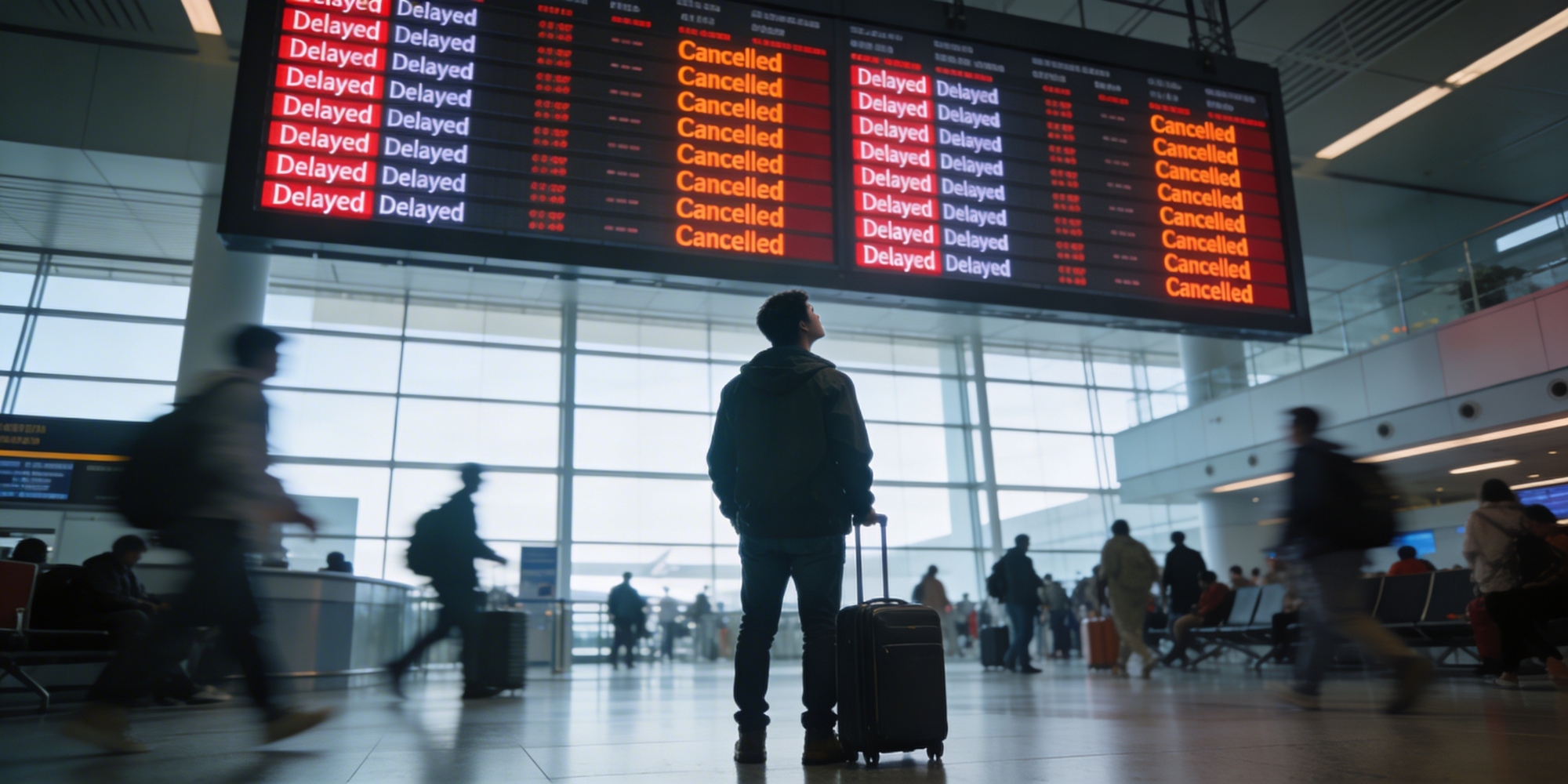
Asia’s latest bout of flight chaos is causing real headaches for Aussie clients heading through the region’s big hubs. It is also a timely reminder for agents that disruption is no longer the exception in Asia, it is becoming part of the landscape.
On 19 February, operational data showed 2,510 flight disruptions across Thailand, Japan, Indonesia, Vietnam, the Philippines and Hong Kong, made up of 2,427 delays and 83 cancellations, affecting over 150,000 passengers.
Vietnam was the worst hit, with Ho Chi Minh City and Hanoi recording the highest number of delays, while Bangkok, Jakarta and Japanese gateways also struggled to keep schedules on track.
Regional and low cost carriers such as VietJet Air, Vietnam Airlines and Batik Air carried much of the pain, stacking up hundreds of late departures in a single day.
What is worrying for the trade is that this is not a one off bad day.
Earlier in February, separate tallies recorded more than 4,200 delays and 62 cancellations across Asia on one day, and close to 4,000 delays on another, as airports from Tokyo and Bangkok to Singapore and Dubai came under pressure.
Industry watchers say a mix of booming demand, tight aircraft and crew rosters and infrastructure that has not quite caught up is leaving very little wriggle room when things go wrong.
For Australian travellers these same hubs are the stepping stones to Europe, the United Kingdom and beyond, so a messy morning in Asia can easily spill into missed evening long haul departures, lost cruise embarkations or late arrivals for key business meetings.
That puts travel advisors right back on the frontline, much as they were during previous waves of disruption.
There are some simple ways agents can help clients stay ahead of the turbulence.
Consider building in more generous connection times at major Asian hubs, particularly for cruise passengers or anyone travelling on separate tickets.
Where budgets allow, lean towards through fares on full service carriers with clear reaccommodation policies and support when things unravel.
Encourage travellers to keep bags light, use airline apps for live updates and be realistic about what can be achieved in a single travel day.
With multiple February days already posting disruption numbers in the thousands, Asia’s skies are likely to stay choppy for a while yet.
The good news is that agents who are proactive about buffers, backup plans and honest conversations around risk can turn that volatility into a chance to show their value, keep trips on track and build even deeper trust with their Australian clients.





