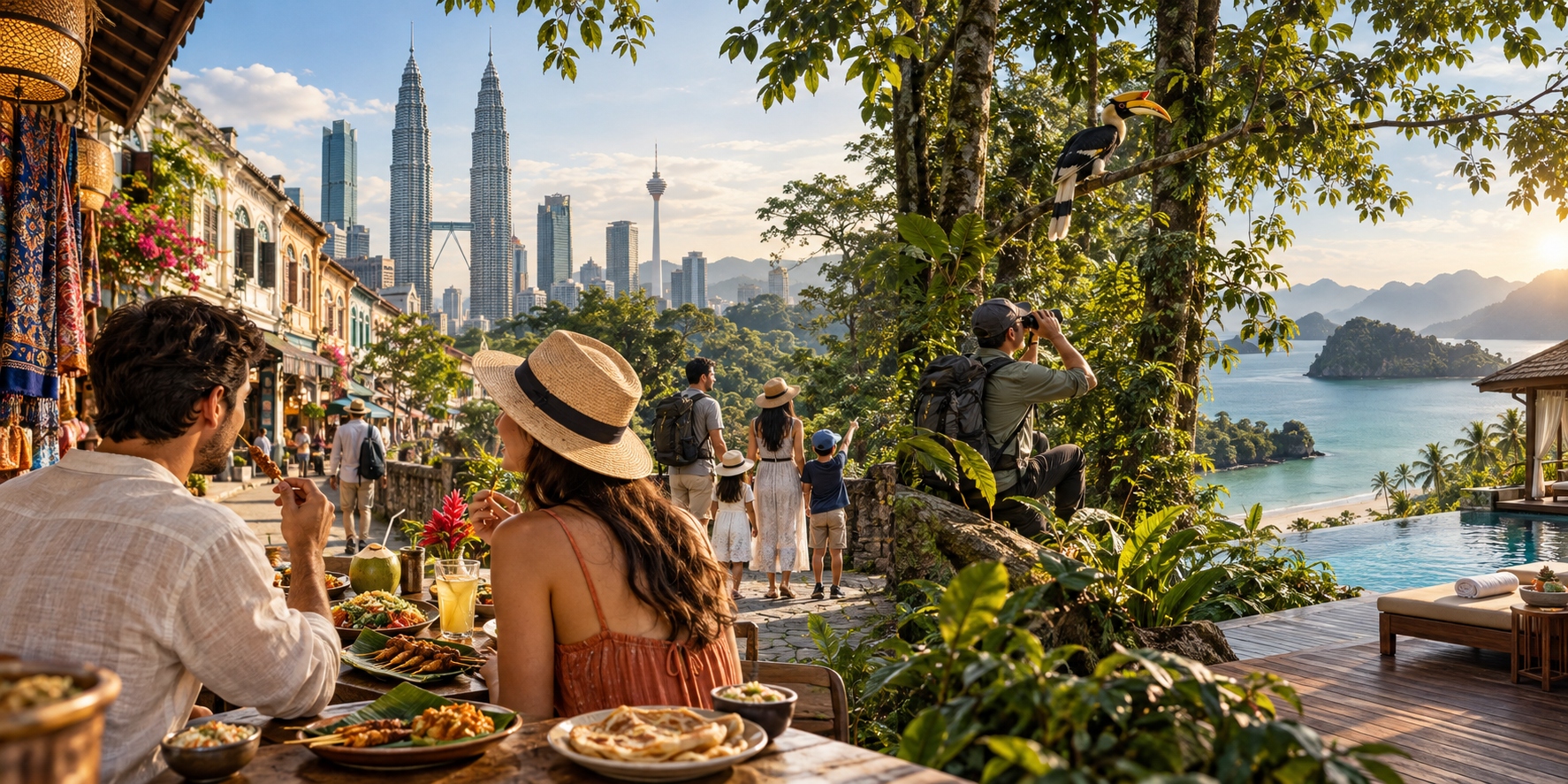
Malaysia is not a one-size-fits-all destination. One traveller may picture hawker centres and night markets, while another is dreaming of a five-star resort, encounters with wildlife or a holiday that keeps every member of the family entertained.
That versatility is one of Malaysia’s greatest strengths, but it can also make knowing where to begin more challenging. Rather than starting with a list of destinations, travel advisers can sell Malaysia by first asking clients what they want from their holiday.
With the Visit Malaysia 2026–2027 campaign well underway, there has rarely been a better time to look beyond the standard Kuala Lumpur stopover and create a Malaysian itinerary around the individual traveller.
The Food-Led Traveller
For clients who plan their holidays around what they will eat, begin with Penang. George Town brings together some of Malaysia’s most recognised dishes in hawker centres, markets and long-established family businesses. Char kway teow, assam laksa, nasi kandar and Hokkien mee are not simply meals to tick off a list, but an introduction to the communities that have shaped the city.
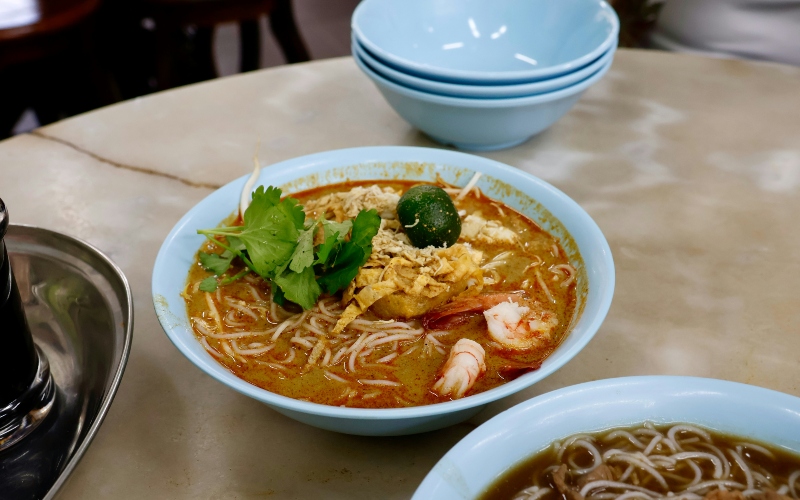 A guided food tour can help first-time visitors understand what they are ordering and introduce them to places they may not find alone. Cooking classes and market visits add a more hands-on element, while George Town’s UNESCO World Heritage-listed streets provide plenty to explore between meals.
Penang can easily be combined with Kuala Lumpur, where clients can move from street food and neighbourhood restaurants to contemporary Malaysian dining. Ipoh is another worthwhile addition, particularly for repeat visitors. The compact city is known for its coffee shops, local specialities, heritage buildings and relaxed pace.
For a longer food-focused itinerary, suggest Kuala Lumpur, Ipoh and Penang. For clients with less time, Kuala Lumpur and Penang make an easy two-centre holiday.
The Family Or Multigenerational Group
Families need a different approach. The most successful Malaysian family itineraries balance activities everyone can enjoy with enough downtime to prevent the holiday becoming exhausting.
Kuala Lumpur is a practical place to start. Attractions including Petrosains, Aquaria KLCC and Sunway Lagoon provide options for different ages, while shopping centres, food courts and the city’s broad range of restaurants make daily logistics relatively easy. Families can also choose from serviced apartments, connecting rooms and hotels with swimming pools and kids’ facilities.
 After several busy city days, Langkawi provides a change of pace. Families can spend time at the resort without feeling they are missing everything outside it, but there is still plenty to do when they want to head out. The Langkawi SkyCab, mangrove tours, wildlife encounters and boat trips can be mixed with time by the pool or beach.
As Traveltalk found in Langkawi: The Island That Time Forgot, the island offers enough to fill several days without creating pressure to rush from one attraction to the next. Families can explore in the morning, then return to the resort for an afternoon by the pool without feeling they are missing out.
Choosing the right accommodation can make that balance even easier. Between Jungle And Sea: Life At The Award-Winning Berjaya Langkawi Resort looks at a resort where rainforest chalets, overwater accommodation, children’s activities and easy access to the Langkawi Cable Car allow families to combine nature, activities and resort time.
Families particularly interested in theme parks could instead travel south to Johor, combining LEGOLAND Malaysia Resort with a few nights on the coast at Desaru.
The advantage for advisers is flexibility. Malaysia can work for parents travelling with young children, teenagers who want activities and multigenerational groups needing different levels of comfort and mobility. The important questions are not simply how old the children are, but how active the family wants to be and how much time they would like to spend at the resort.
The Luxury And Wellness Client
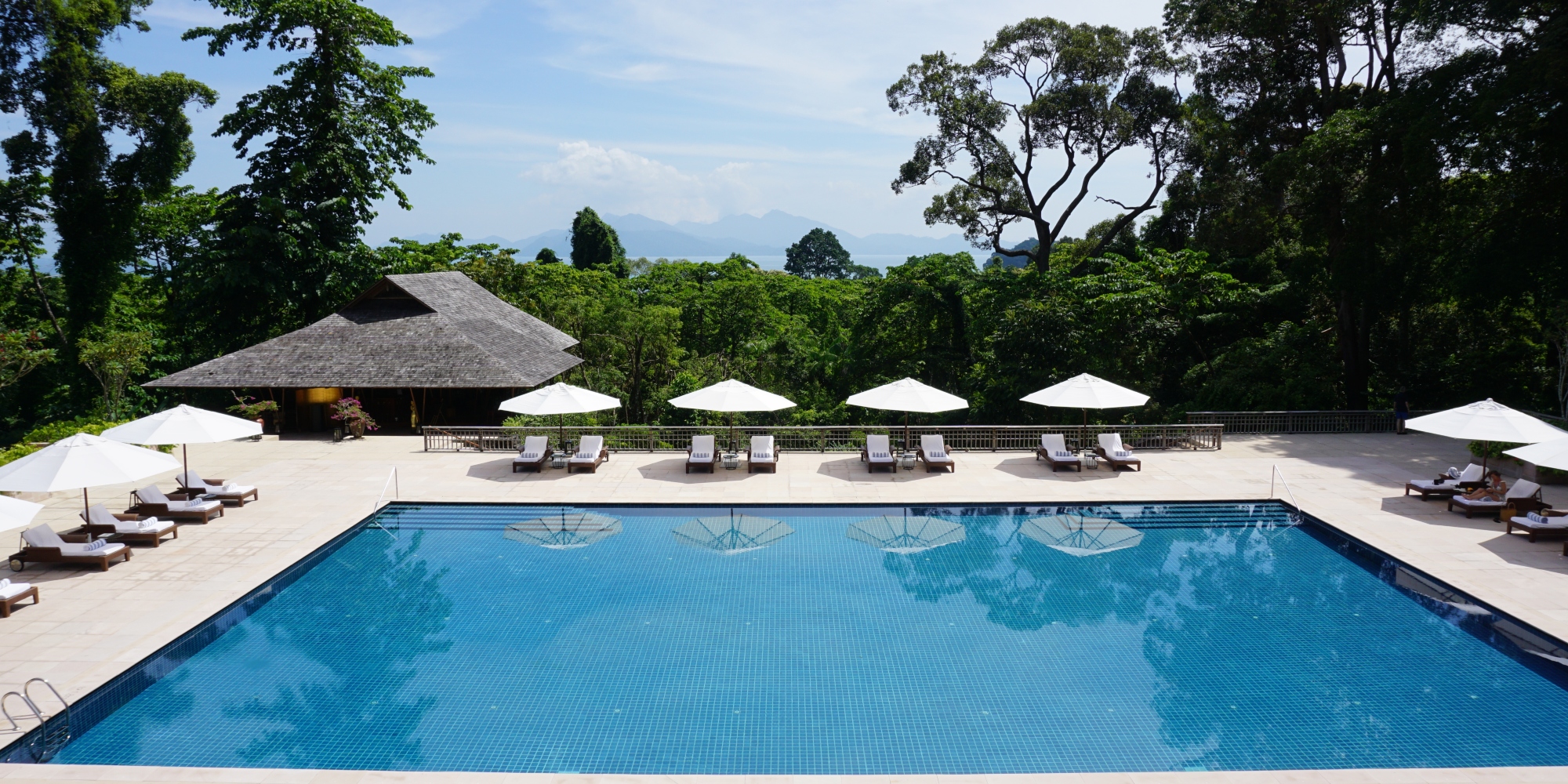
For the luxury traveller, Malaysia should be sold on quality and value rather than price alone. The country offers internationally recognised hotels, private villas, rainforest lodges and beachfront resorts, often accompanied by warm, highly personalised service.
Luxury also takes many different forms. Traveltalk’s guide to Ten Of The Top Luxury Stays In Malaysia ranges from private islands and rainforest retreats to geothermal pools, heritage hotels and sophisticated city stays, giving advisers options for couples, families, wildlife enthusiasts and dedicated wellness travellers.
Kuala Lumpur can provide the polished beginning or end to the holiday, with five-star hotels, club lounges, destination dining, shopping and private touring. It can then be paired with Langkawi for beachfront resorts and spa experiences or Desaru Coast for a quieter coastal stay.
Malaysia’s luxury experiences are not confined to conventional resorts. Clients can stay in a high-end rainforest lodge, arrange a private yacht excursion, book a guided culinary experience or build wellness treatments into a broader holiday rather than committing to a dedicated retreat.
Langkawi works particularly well for couples seeking a resort stay with the option to explore, while Desaru Coast can suit travellers looking for space, golf and time away from a busy sightseeing schedule. For something more adventurous, Sabah’s premium nature lodges combine comfort with access to some of Malaysia’s most significant wildlife environments.
The sales conversation should focus on what clients receive: generous accommodation, attentive service, excellent dining and memorable settings. Malaysia may offer strong comparative value, but that does not mean it should be positioned as a budget alternative.
The Wildlife And Adventure Traveller
For wildlife and adventure clients, Malaysian Borneo opens up an entirely different type of holiday.
 In Sabah, the Kinabatangan River provides opportunities to see proboscis monkeys, hornbills, orangutans and, with luck, Bornean elephants. River safaris take place at different times of day, while overnight stays allow visitors to experience the environment after day-trippers have left.
Danum Valley offers a more immersive rainforest experience. Guided walks, birdwatching, night drives and canopy-level exploration can all be incorporated into stays of several nights. For travellers who prefer mountains to wildlife viewing, the area around Kinabalu Park offers walking, nature and cooler temperatures, while Sabah’s islands appeal to divers and snorkellers.
Sarawak offers another set of possibilities. Kuching combines food, history and culture with access to nearby nature experiences, while Gunung Mulu National Park is known for its immense caves, limestone formations, rainforest trails and evening bat exodus.
These trips require more planning than a conventional city and resort holiday, which is where an adviser can add considerable value. Internal flights, transfers, permits, lodge availability and seasonal conditions all need to be considered. Clients should also understand that wildlife sightings can never be guaranteed.
Rather than trying to include everything, match the itinerary to the client’s priorities. A keen wildlife photographer may want several nights in one location, while a moderately active traveller may prefer a comfortable lodge with guided excursions and time to relax between activities.
The Culturally Curious Traveller
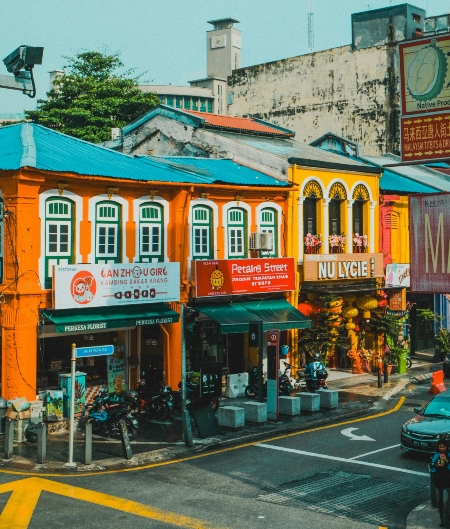 Finally, there is the culturally curious traveller: the client who wants to understand a destination rather than simply see its headline attractions.
Malaysia’s multicultural identity can be experienced through its architecture, places of worship, festivals, food and everyday neighbourhoods. Kuala Lumpur brings Malay, Chinese and Indian influences together, making it a useful introduction before clients travel further.
George Town and Melaka, jointly recognised by UNESCO for their historic trading heritage, reward travellers who explore with a knowledgeable guide. Behind the frequently photographed buildings are stories of migration, trade, religion and communities that continue to shape both cities.
In Sarawak, clients can learn more about the state’s Indigenous cultures through museums, community experiences and visits arranged with appropriate local guides. Homestays and craft-based experiences elsewhere in Malaysia can also provide meaningful interaction while directing more tourism income into local communities.
This client is likely to appreciate travelling at a slower pace. Three nights in a destination will usually provide a more rewarding experience than a rapid series of one-night stops. Encourage them to include a guided walk, a food experience and time without a fixed schedule.
Of course, few travellers fit neatly into a single category. A family may also be passionate about food, a luxury client may want rainforest adventure and a culturally curious couple may finish their journey at an island resort.
That is precisely why Malaysia is so saleable. Advisers do not need to present every possibility at once. Start with what matters most to the client, choose the Malaysian destinations that deliver it and build the rest of the itinerary around that central interest.
 The question is not whether Malaysia suits the traveller. It is which version of Malaysia they want to experience.
For more information and inspiration, visit Malaysia.Travel.