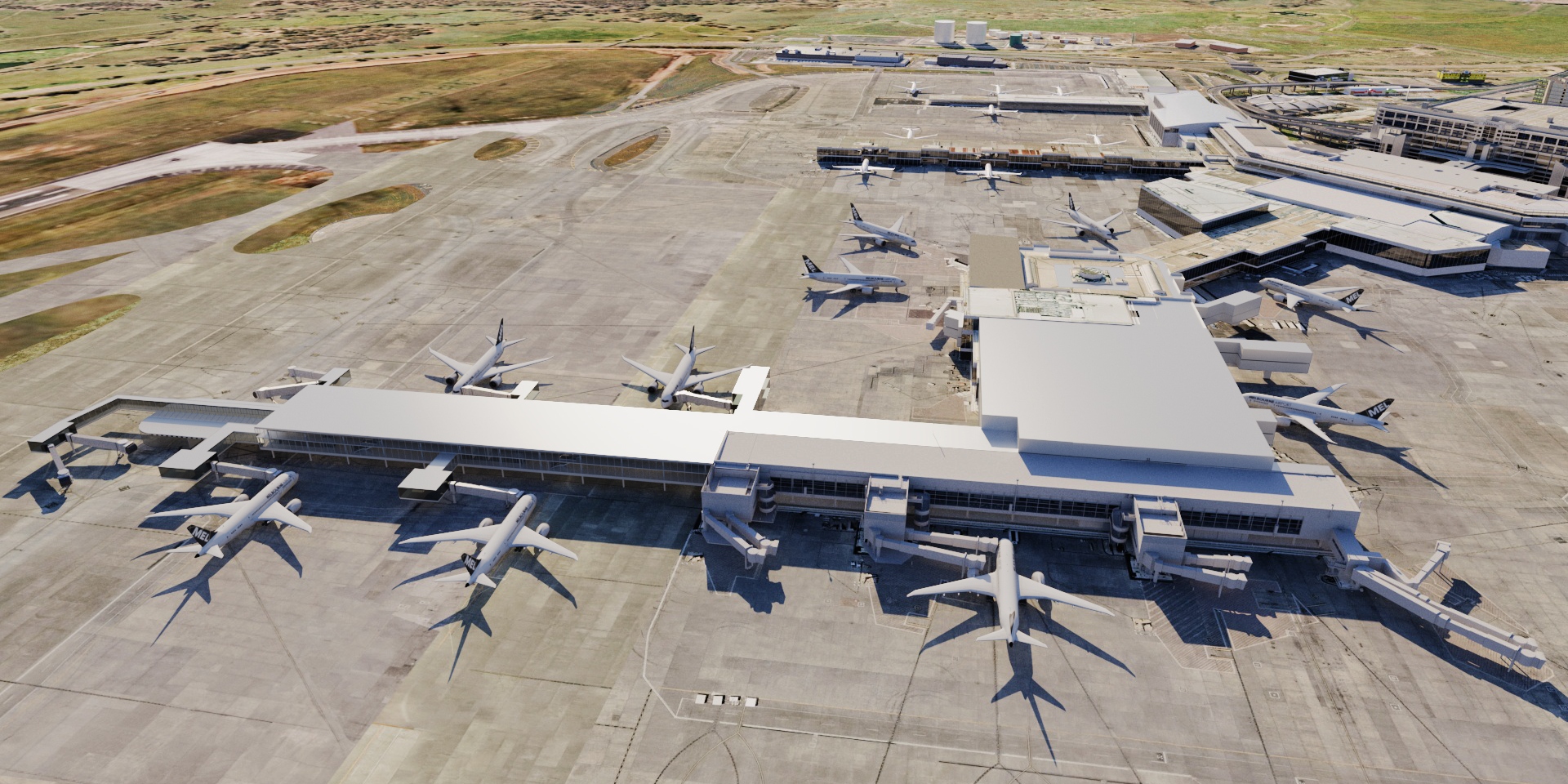
Melbourne Airport has released its draft Master Plan 2027, setting out how the airport intends to accommodate 75 million passengers a year by 2047.
The 20 year plan covers major investment in terminals, runways and ground transport as Melbourne Airport prepares for passenger traffic to roughly double over the next two decades.
Almost 37 million passengers passed through the airport during the most recent financial year. Melbourne Airport CEO Lorie Argus said long term planning was necessary to ensure infrastructure kept pace with demand from travellers, airlines, exporters and importers.
“We need to plan ahead to ensure we have the airfield, terminal and ground transport infrastructure in place to adequately service the growing number of travellers, exporters and importers who are using Melbourne Airport,” Argus said.
Work to support that growth is already underway. New and expanded pick up and drop off zones are due to open in October, clearing the way for $4.5 billion in privately funded projects to expand the international terminal.
The draft plan also outlines upgrades to the domestic terminals and measures to protect space for infrastructure required by Australia’s domestic airlines over the longer term.
Airfield development includes the formal addition of the Eastern Extension Project, which would extend the east west runway by 345 metres. The work is intended to account for runway length that will be lost at its western end during construction of Melbourne Airport’s third runway.
Improving access to the airport precinct is another central part of the proposal. Planned measures include new road infrastructure, better bus connections with surrounding neighbourhoods and a rail link to the city via Sunshine.
Argus said local transport would become increasingly important as both passenger numbers and employment within the precinct increased.
“Local connectivity is a big part of this plan because we need to ensure our passengers and workforce have easy access to the precinct, which is already the state’s largest employment hub outside of the Melbourne CBD,” she said.
Melbourne Airport will continue working with the Victorian and Federal governments on the planned rail connection through Sunshine. The airport also wants improved local bus services for communities in Melbourne’s north and west.
Further development of the airport’s business park is expected to create additional employment in those areas. The plan also incorporates low carbon design, more efficient use of resources and measures intended to strengthen the airport’s resilience to climate change.
The draft Master Plan 2027 is available on the Melbourne Airport website, with public submissions open until 4 November 2026.