A near collision involving Jetstar and Qatar Airways aircraft at Sydney Airport has prompted three investigations and renewed scrutiny of operations at Australia’s busiest airport.
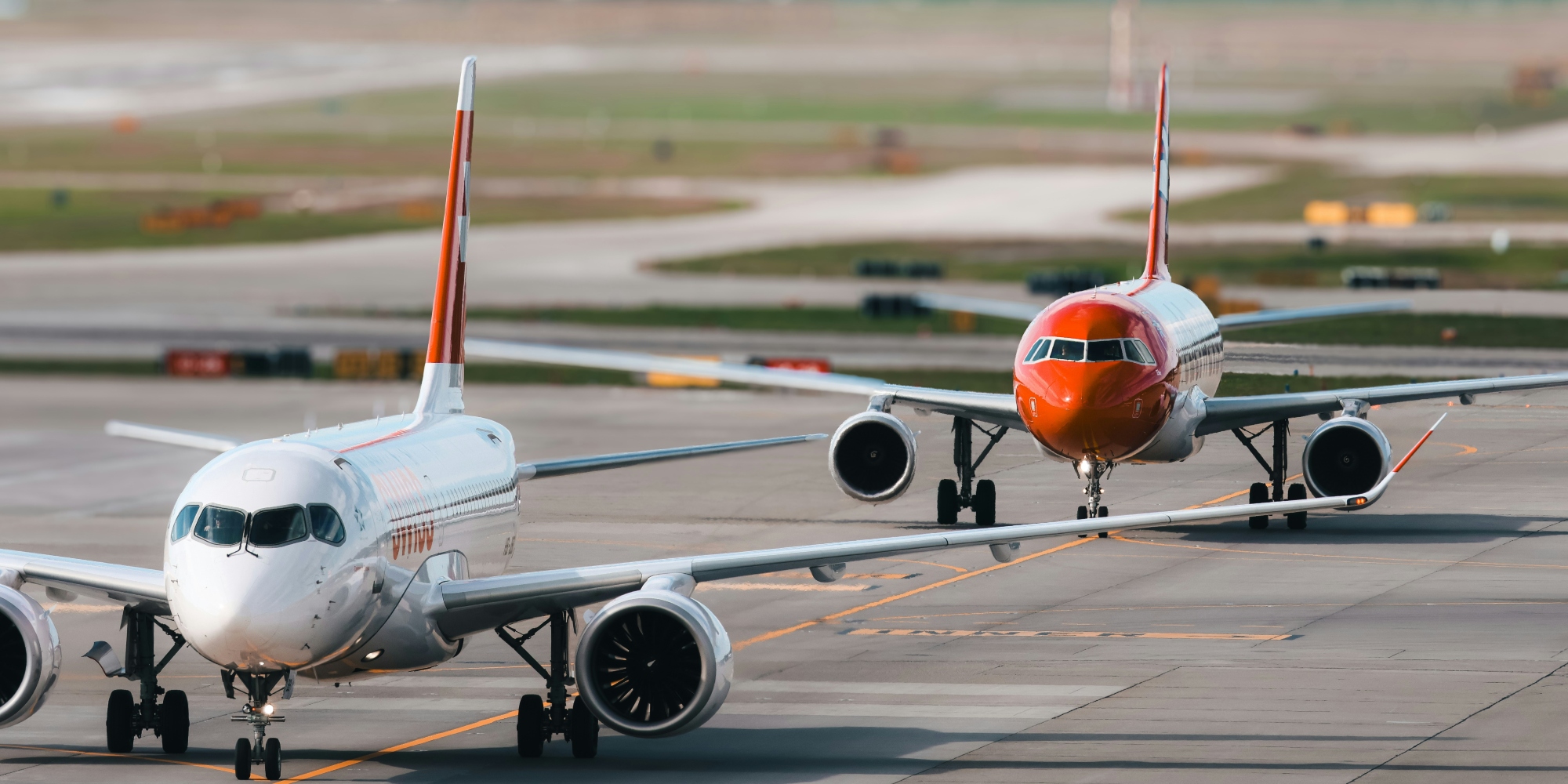
Jetstar flight JQ402 was taxiing for departure to the Gold Coast on Sunday morning when its pilots braked sharply to avoid a Qatar Airways Boeing 777 being towed across the airport.
The sudden stop injured a Jetstar cabin crew member. No passengers were injured, but the flight was cancelled and customers were transferred to alternative services.
A ground controller and the operator of the tug towing the Qatar Airways aircraft have been stood down while the incident is examined. Federal Infrastructure and Transport Minister Catherine King said the action was consistent with protocols that include mandatory drug and alcohol testing following a serious incident.
The Australian Transport Safety Bureau has opened an investigation and is expected to examine recorded data, air traffic control communications, security footage and accounts from those involved. Airservices Australia and Jetstar are conducting separate investigations.
The ATSB has not released findings and it has not been established whether staffing levels played any role.
Jetstar said its aircraft had been following air traffic control instructions when the crew took action to avoid the other aircraft.
The airline praised the pilots for their response and said the injured crew member was receiving support.
The event occurred less than a fortnight after a separate incident involving two Qantas aircraft at Sydney Airport on 27 July.
In that case, air traffic control cleared a Qantas Boeing 737 to cross runway 34L while a QantasLink Bombardier Dash 8 was completing its landing roll on the same runway.
Air traffic control detected the conflict and alerted both crews. The Boeing 737 stopped after passing the runway holding point, while the Dash 8 continued along the runway.
The ATSB described the event as a breakdown in coordination and is continuing its investigation. No injuries or aircraft damage were reported.
The two occurrences have increased attention on airport operations, although no evidence has been released to show that they are connected.
NSW Premier Chris Minns described the latest incident as concerning and said Sydney Airport was central to the state and national economies.
The near collision also followed several days of disruption at Sydney Airport, including widespread delays and cancellations attributed to reduced air traffic control capacity.
Airservices Australia acknowledged operating restrictions caused by staff availability and said it had been working with airlines to minimise the effects on passengers.
Airlines for Australia and New Zealand, which represents major carriers including Qantas, Virgin Australia, Air New Zealand and Regional Express, called for a thorough investigation and a clear plan to prevent further disruption.
The industry group has raised concerns about air traffic control resourcing and the effect that capacity restrictions can have on airline schedules.
However, the staffing problems and the two safety incidents should be treated as separate issues until investigators determine whether any relationship exists.
Sydney Airport handled more than 42 million passengers in 2025 and remains the principal Australian gateway for international travel.
Operational restrictions at the airport can quickly affect airline networks around the country as delayed aircraft and crews miss subsequent scheduled services.
The latest incident is likely to add pressure on Airservices Australia and the federal government to address questions about operational resilience as aviation activity grows.
It also comes as commercial freight operations begin at Western Sydney International Airport ahead of the new airport’s wider opening.
The ATSB will publish a final report at the conclusion of its investigation. If a critical safety issue is identified during the inquiry, the bureau can notify relevant organisations before that report is completed.