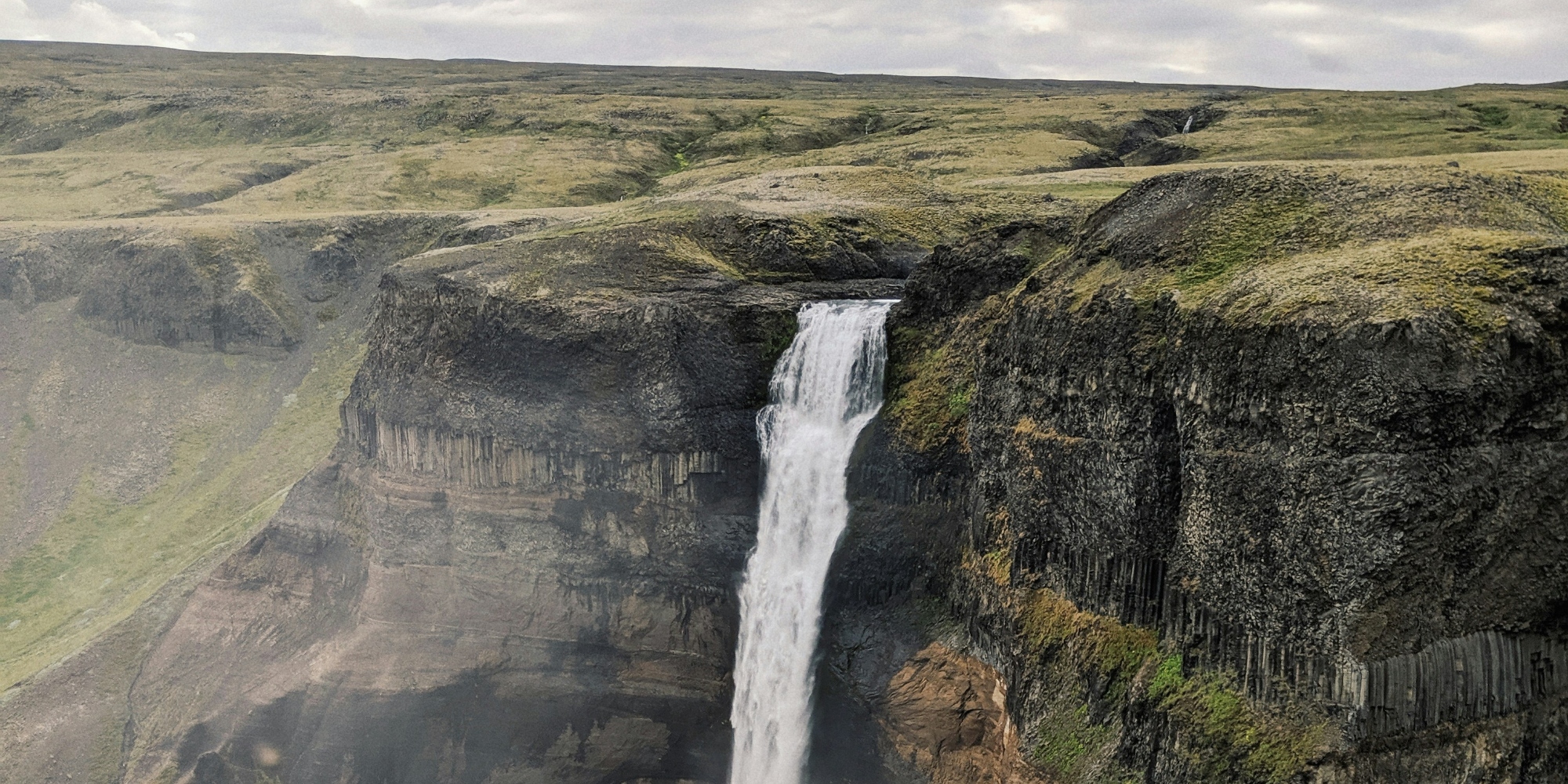
Iceland is emerging as an unexpected tourism winner following the release of the Stranger Things finale, with online search activity surging for one of the show’s dramatic filming locations.
The fifth and final season of the Netflix phenomenon dropped on New Year’s Eve, attracting an estimated 59.6 million views globally within its first five days. While the series is famously set in the fictional town of Hawkins, Indiana, one real world location has captured the attention of fans worldwide: Háifoss waterfall in southern Iceland.
Tour booking technology company Bókun, part of Tripadvisor Group, says interest in Iceland travel is rising sharply off the back of the finale and could translate into increased visitor numbers in 2026.
Data analysed by Bókun shows Google searches for key Iceland related terms have risen dramatically in the month following the finale’s release.
Searches for “Háifoss twin waterfalls” increased by 5000 percent, while interest in “Stranger Things waterfalls” also rose by 5000 percent. More broadly, searches for “the best time to visit Iceland” jumped by the same margin, signalling growing intent to travel.
Háifoss, located near the Hekla volcano, featured prominently in one of the series’ final scenes. The waterfall is widely known for its twin cascades, a detail that has sparked discussion among fans keen to visit the exact spot featured on screen.
The location’s striking appearance and its role in the unresolved ending have driven viewers to seek out the real life setting, with social media videos of fans visiting the waterfall attracting hundreds of thousands of views.
Pop culture continues to shape travel trends
According to Bókun, the surge in interest highlights the growing influence of screen tourism, where television and film exposure directly impacts travel demand.
Samuel Jefferies, Senior Growth Marketing Manager at Bókun, said the trend is becoming increasingly important for destinations and operators.
“The influence pop culture has on tourism is a fascinating phenomenon that continues to shape global travel trends,” Jefferies said.
“As searches for Háifoss waterfall surge following the Stranger Things finale, we are seeing on screen storytelling translate into real world tourism, breathing new life into destinations and experiences.
“With searches for the best time to visit Iceland up 5000 percent since the finale aired, we expect the show to have a measurable impact on travel decisions in 2026.”
Jefferies added that with major series such as Bridgerton and The White Lotus returning, alongside new screen adaptations entering production, destinations that align themselves with cultural moments stand to benefit significantly.
The growing attention on Iceland comes as the destination also earns global recognition beyond screen tourism. Iceland was recently named Number 25 on The New York Times’ prestigious 52 Places to Visit in 2026 list, highlighted for its once in a lifetime total solar eclipse experience later this year.
For Iceland, the Stranger Things finale may be the latest spark driving global attention, but it is far from the only one. With screen tourism fuelling interest, a rare total solar eclipse on the horizon and recognition from The New York Times as one of the world’s must visit destinations in 2026, Iceland’s dramatic landscapes appear set to attract a new wave of long haul travellers in the year ahead.