
Three cruise ship passengers have died and several others are fighting for their lives after a suspected respiratory illness linked to a deadly rat virus.
The outbreak occurred on the MV Hondius, a Dutch-operated expedition cruise ship travelling from Argentina to Cape Verde.
Initial reports described a “severe respiratory illness”, with later testing confirming at least one case of hantavirus – a rare but potentially deadly infection linked to rodent exposure.
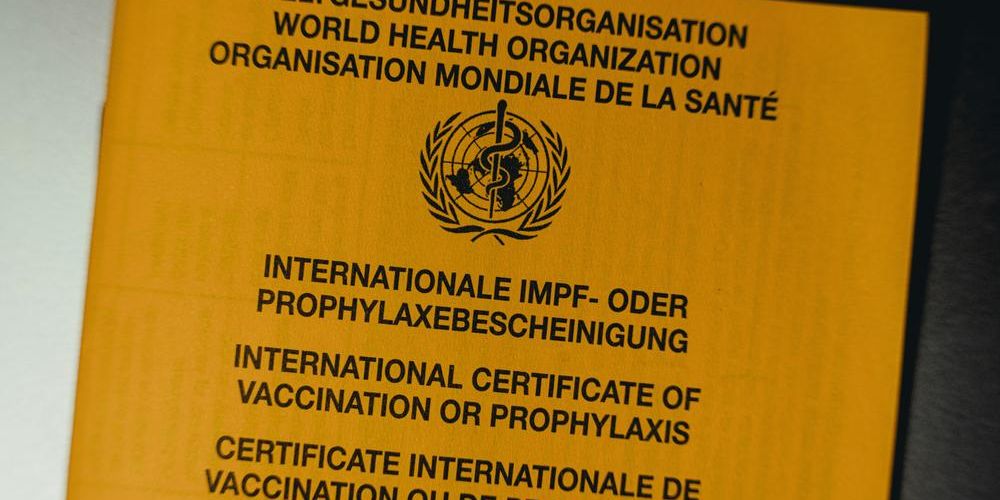
According to the World Health Organisation (WHO), three passengers have died following the outbreak, while at least three others have fallen seriously ill.
One British passenger remains in intensive care in South Africa and two additional individuals require urgent medical evacuation.
The ship, carrying roughly 150 passengers and dozens of crew, has been stranded off the coast of Cape Verde in the Atlantic Ocean as authorities assess the situation.
Requests to allow sick passengers to disembark for treatment have reportedly faced delays, complicating efforts to provide urgent care.
Hantavirus, which can cause severe respiratory complications, is typically transmitted through contact with infected rodent urine, droppings, or contaminated dust.
While human-to-human transmission is rare, the virus can lead to life-threatening illness, particularly when symptoms escalate rapidly.
Health officials say investigations are ongoing, with laboratory testing and epidemiological tracing underway to determine how the infection spread on board.
The World Health Organisation is coordinating with national authorities and the ship’s operator to manage the outbreak and arrange medical evacuations.
The deaths include two Dutch nationals, while the condition of other affected passengers remains unclear.
Medical teams are continuing to monitor those still onboard, amid concerns the confined cruise ship environment may have accelerated the spread of illness.
Cruise ships are known to present unique challenges during disease outbreaks due to close quarters, shared facilities, and limited onboard medical resources.
Such conditions can allow infections – particularly respiratory illnesses – to spread quickly if not contained early.





