Hundreds of foreign tourists, including some Australians, remain stranded on Yemen’s remote island of Socotra after flights were abruptly suspended amid rising regional tensions and security concerns.

Socotra, a UNESCO World Heritage listed archipelago in the Arabian Sea, lies about 380 kilometres south of mainland Yemen and closer to the Horn of Africa than the Middle East.
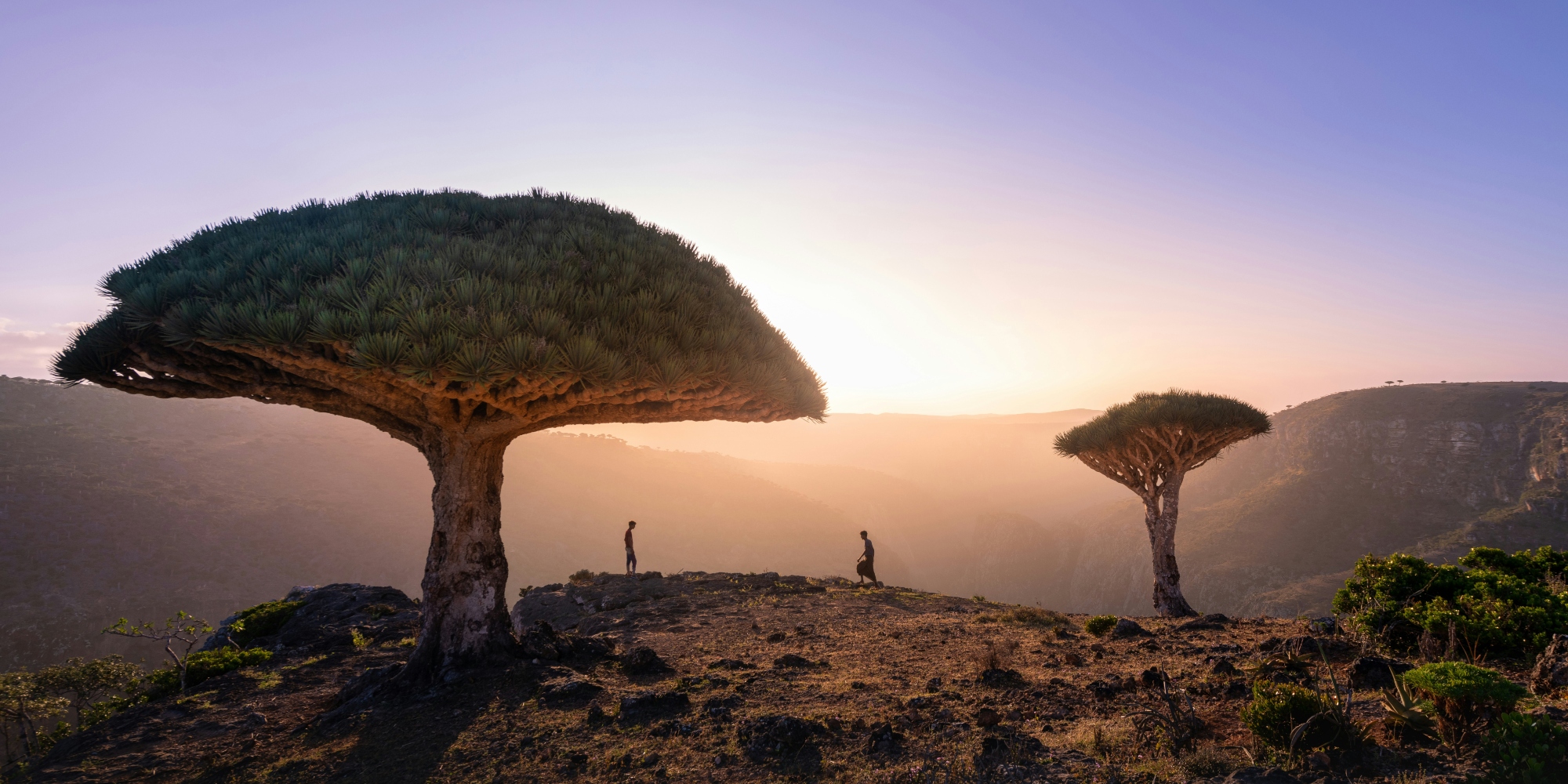
Often described as one of the most alien looking places on Earth, the island is famed for its otherworldly landscapes and rare biodiversity. More than a third of its plant life, including the iconic dragon’s blood tree, exists nowhere else in the world.
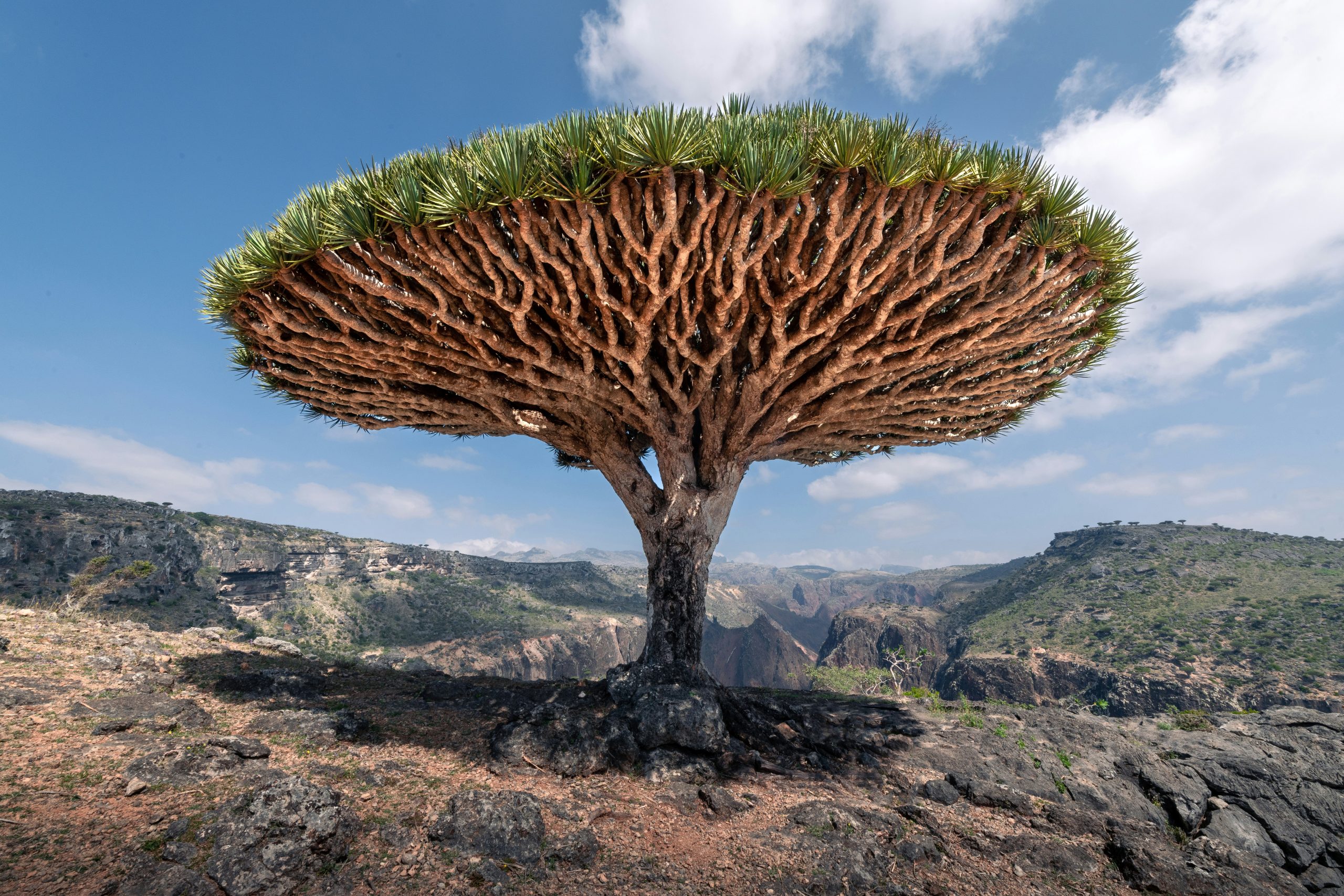 The Dragon’s Blood Tree
Despite its natural beauty and reputation as a peaceful eco tourism destination, Socotra has been caught up in wider political instability linked to Yemen’s long running conflict. In recent days, authorities declared a state of emergency and suspended commercial flights, leaving an estimated 400 to 600 tourists unable to leave.
Travellers from Australia, Europe and the United States are among those affected. Several tourists have described growing anxiety as accommodation fills up and access to cash and onward travel becomes increasingly uncertain. While the island itself remains calm, the lack of clear information about evacuation timelines has added to the unease.
Australia’s Department of Foreign Affairs and Trade has confirmed it is providing consular assistance to Australians in Yemen, though officials have not disclosed how many are stranded on Socotra. Other governments have begun arranging evacuations for their citizens, with some charter flights reportedly transporting foreign nationals to neighbouring countries in the region.
Socotra’s isolation has complicated efforts to resolve the situation quickly. The island has limited infrastructure, with only a small airport and few international flight connections even under normal circumstances. Tourism is tightly controlled to protect its fragile ecosystems, and visitors typically arrive on organised tours with fixed departure schedules.
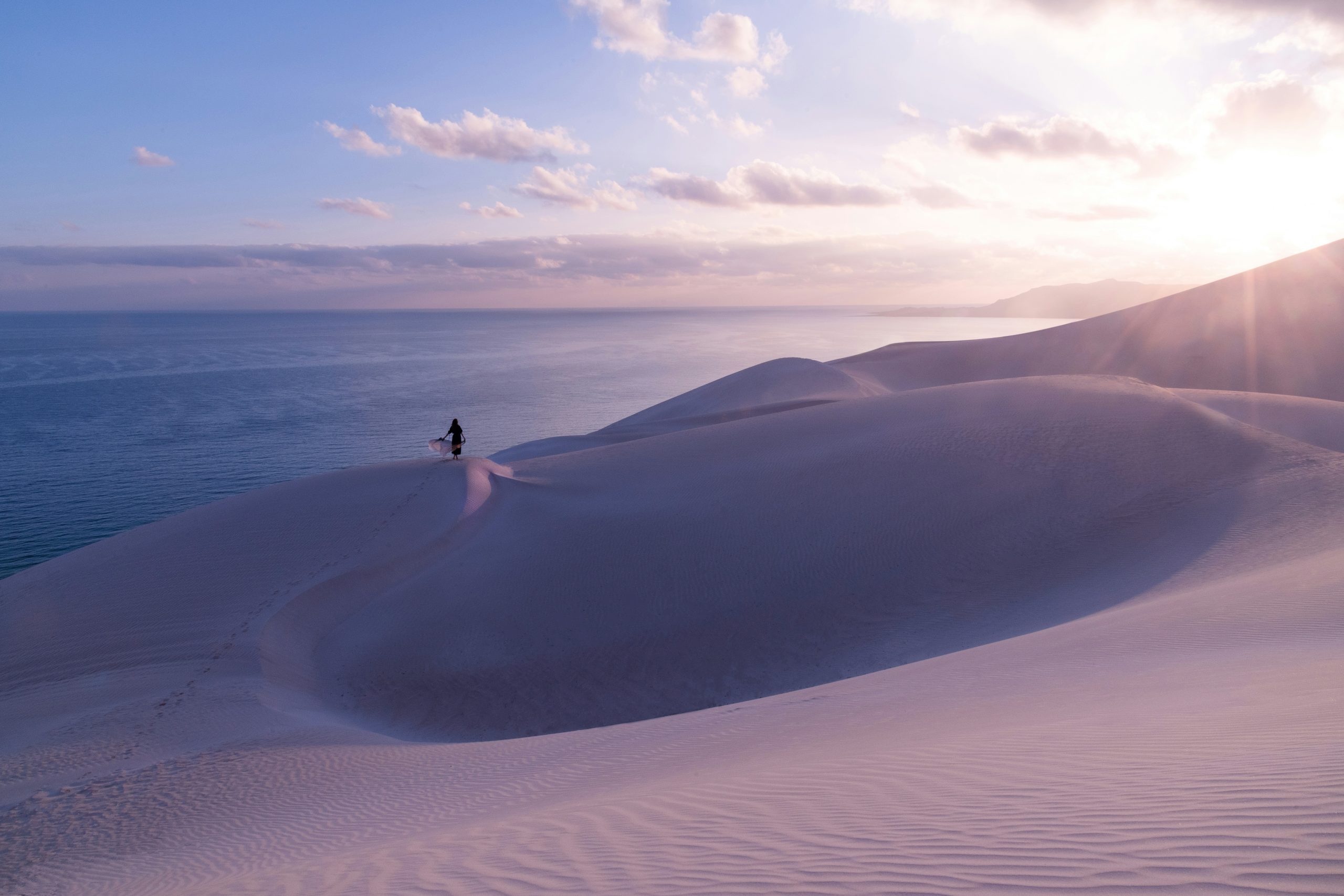 Sand dunes, Socotra
The unfolding situation has renewed warnings about travel to conflict affected regions, even those perceived as safe enclaves. Australia’s Smartraveller website continues to advise against all travel to Yemen, including Socotra, due to the risk of armed conflict, kidnapping and sudden disruptions.
For now, stranded tourists are waiting for further updates as diplomatic efforts continue behind the scenes. While Socotra’s pristine beaches and surreal landscapes remain unchanged, the uncertainty surrounding when travellers will be able to leave has cast a shadow over what is usually promoted as a once in a lifetime destination.