Australian travel businesses using chatbots, AI generated content or synthetic images may need to take a closer look at new European transparency rules that came into effect this month.
Article 50 of the European Union’s AI Act has applied since 2 August 2026 and requires businesses to be open about certain uses of artificial intelligence.
The rules have been described as a potential “cookie moment” for AI, introducing disclosures that could eventually become as familiar as the notices now displayed when websites collect visitor data.
Although the legislation comes from Europe, its reach is not necessarily confined to businesses based there. The EU says providers outside the bloc can be covered when the output of their AI system is used within the EU.
For an Australian travel company, that could become relevant if it operates in Europe, markets to European customers or provides an AI service that is used there. Simply having the occasional European visitor to an Australian website does not automatically mean every part of the Act will apply, but businesses with EU customers should not dismiss the rules based solely on their location.
The practical requirements will be relatively straightforward for most travel agencies, tour operators and tourism businesses.
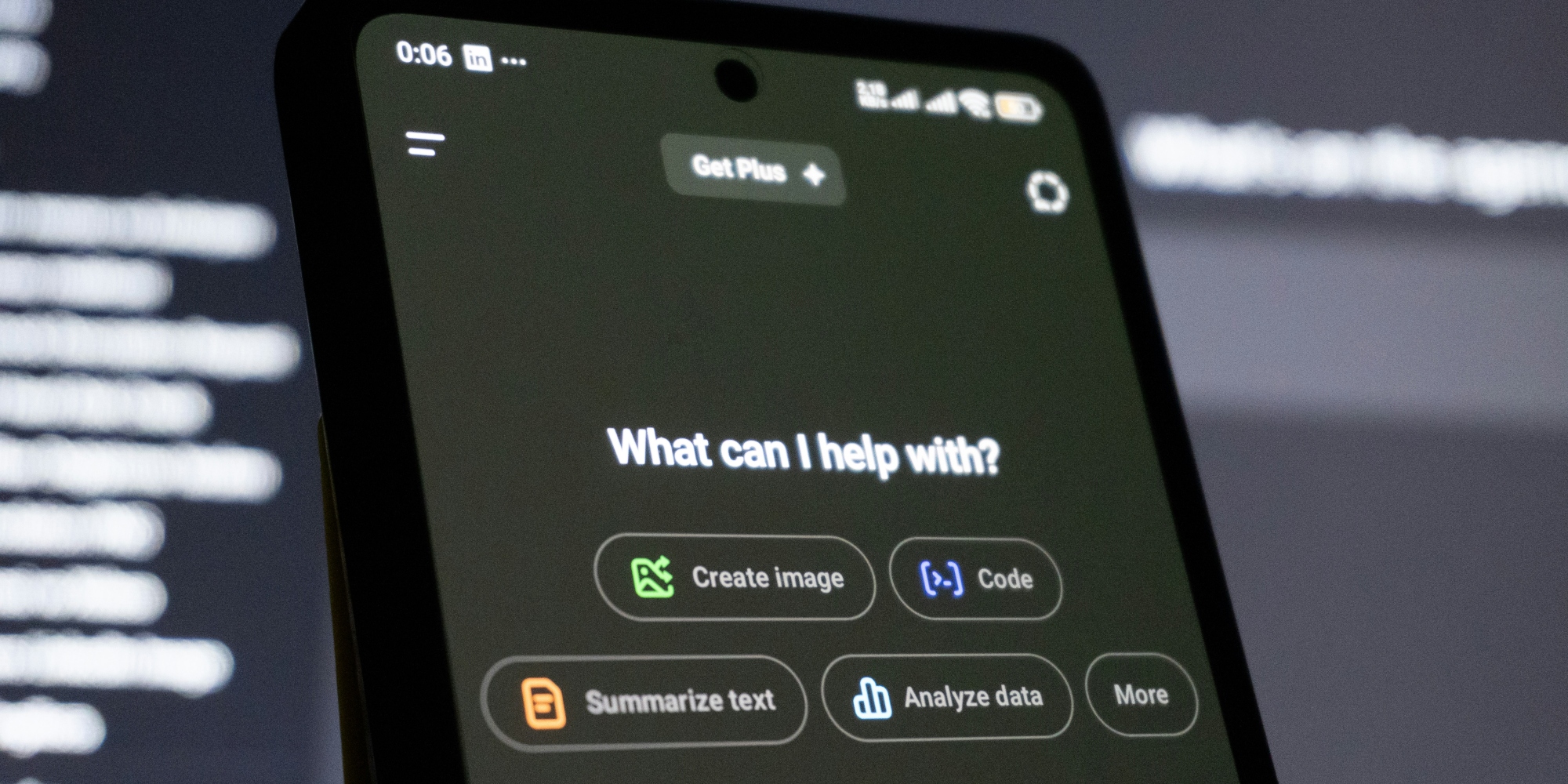
If customers interact directly with a chatbot, voice bot, AI agent or virtual assistant, they should be told they are communicating with AI from the beginning of the interaction. Disclosure is not required when it would be obvious to a reasonably observant user, but European Commission guidance says that exception should be interpreted narrowly.
A message such as “I’m an AI assistant and can help with general questions about your booking” would usually make the nature of the interaction clear. Businesses should also provide an obvious route to human assistance, particularly when the conversation involves changes, cancellations, payments or important travel advice.

The Act also addresses AI systems that generate text, images, audio and video. Technology providers such as the companies developing generative AI systems are responsible for ensuring synthetic output can be identified through machine readable marking or detection measures.
Travel businesses using those systems have a different responsibility. They must clearly disclose realistic AI generated or manipulated images, audio and video that could be mistaken for authentic content involving an existing person, place, business or event.
That distinction is particularly relevant to tourism marketing. A clearly illustrative fantasy image may not be considered a deepfake, but an AI generated video that appears to show a real resort, cruise ship, attraction or destination should be labelled if viewers could reasonably believe the footage is genuine.
The rules also cover AI generated text published to inform the public about matters of public interest. However, there is an important exception for content that has undergone meaningful human review or editorial control and for which a person or organisation accepts editorial responsibility.
This means using ChatGPT or another AI tool to help prepare a blog post, email, social media caption or destination guide will not necessarily require an AI label. A knowledgeable person must genuinely examine the substance of the material, check its sources and have the authority to alter or reject it before publication.
A quick spelling or grammar check is not enough to qualify as meaningful human review, according to the Commission.
That makes normal editorial oversight increasingly important. Travel businesses should verify prices, visa requirements, entry rules, schedules, product inclusions and destination information rather than assuming an AI generated answer is accurate. Customer testimonials and quotations should never be invented or substantially changed without permission.
Article 50 also requires disclosure when AI is being used to recognise emotions or categorise people through biometric information. This could include technology that attempts to assess a person’s mood, stress level, age or other characteristics through their face, voice or behaviour.
Most small travel companies are unlikely to be using these systems, but the requirement may become more relevant as AI is added to customer service, airport, hotel and event technology.
Travel businesses dealing with Europe should consider taking four immediate steps:
- Check whether customers are interacting directly with AI anywhere on the website, booking process, telephone system or messaging channels.
- Add a clear disclosure at the beginning of chatbot and voice bot interactions.
- Label realistic synthetic images, video or audio when viewers could mistake them for authentic travel content.
- Establish a documented human review process for AI assisted marketing, itineraries and public information.
The Article 50 rules have applied since 2 August, although a limited transition until 2 December 2026 applies to some marking obligations for AI systems already on the market. Material generated and published before 2 August does not have to be labelled retrospectively.
Penalties under the Act can reach €15 million or three per cent of worldwide annual turnover, although the EU says proportionality will be considered when dealing with small and medium sized businesses.
For most Australian travel companies, the message is not to stop using AI. It is to make customer facing automation obvious, keep humans responsible for published information and avoid presenting synthetic content as evidence of a real travel experience.
More information is available in the European Commission’s Article 50 guidance and the EU Artificial Intelligence Act.
This article provides general information and should not be treated as legal advice.