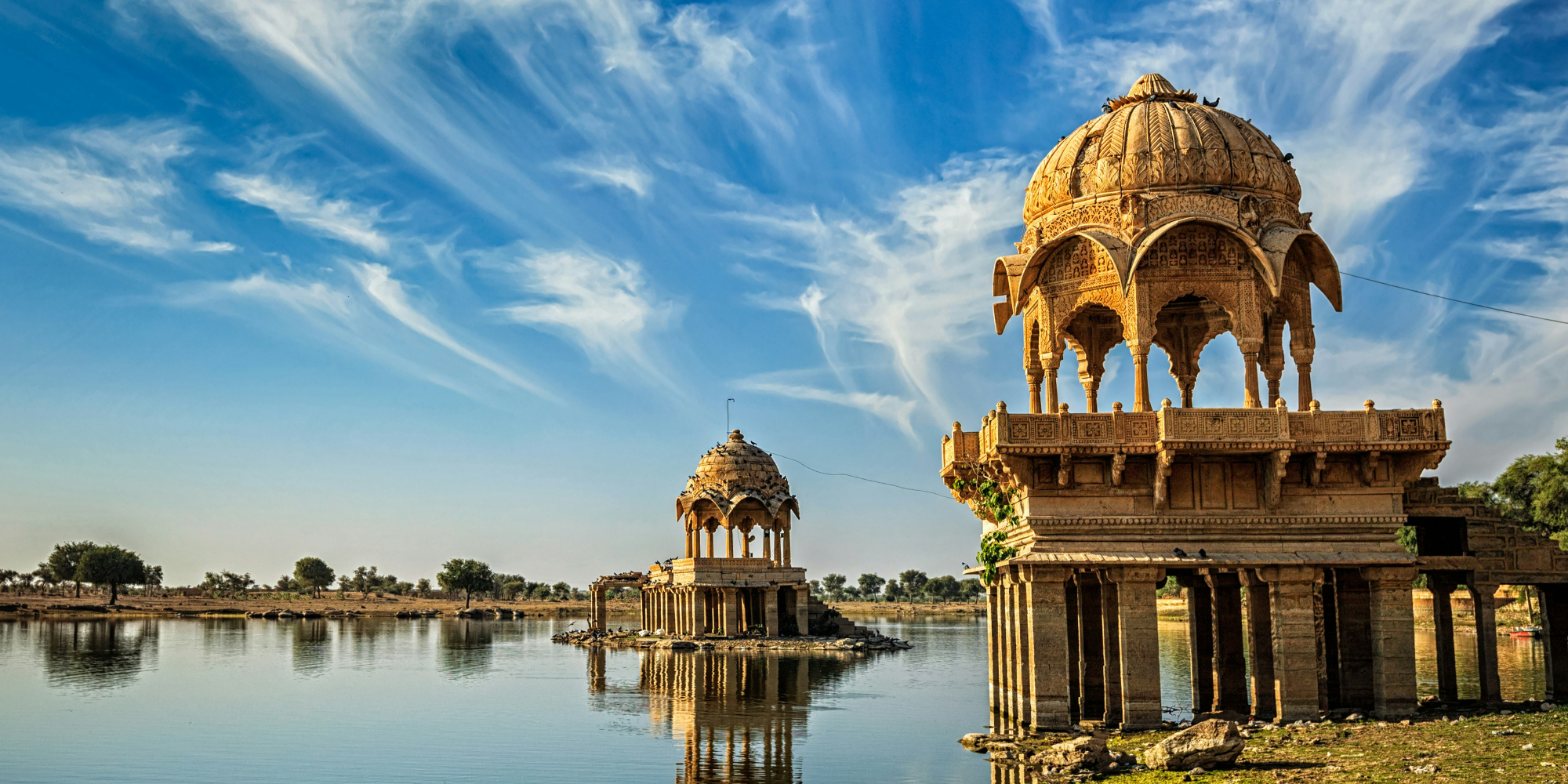
India, Nepal, Bhutan, Sri Lanka and the Maldives may share a corner of the map but for travel advisors they represent five very different opportunities.
Australian travel to India is already well above pre-pandemic levels. Almost 600,000 Aussies visited in 2025, up nine per cent on 2024, according to Tourism Research Australia.
Yet some significant changes across the subcontinent have attracted far less attention.
From May 25, Australian passport holders became eligible for a free 30-day tourist ETA for Sri Lanka.
Bhutan’s Sustainable Development Fee (SDF), which once stood at $US200 per person per night, was halved to $US100 in 2023 and that lower rate was announced to be locked in until August 31, 2027.
These changes matter because some old perceptions still linger.
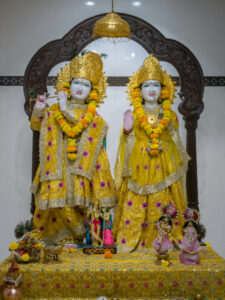 India can feel overwhelming. Nepal means trekking. Bhutan sounds fascinating, but expensive and complicated. Sri Lanka has had a turbulent few years but is gaining traction again and the Maldives is the place to book an overwater villa for a couple’s honeymoon.
For Australian travel advisors, the difference between these perceptions and what these destinations actually offer today is a genuine commercial opportunity.
Client interests are moving in South Asia’s favour too. It isn’t simply an appetite for more luxury. Travellers increasingly want smaller properties with a sense of place, meaningful cultural access, wildlife, food-led experiences and journeys with enough time to actually absorb a destination.
South Asia has an unusually strong hand to play in all of them.
Treat each country on its own terms
No one sells Europe as a single conversation. Advisors distinguish Italy from Greece and Croatia. They go further still: Tuscany, the Amalfi Coast and Sicily are understood as different holidays.
South Asia deserves the same granularity. Let’s take each of these five countries.
India – there is simply so much of it and that is a sales challenge. However, this can be turned into its greatest asset.
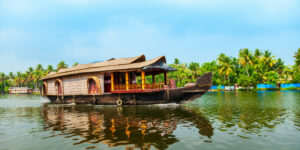
For one traveller, India might mean Rajasthan’s forts, palaces and desert landscapes. For another, Kerala’s backwaters and food. Others may be drawn to the Himalayas, wildlife, spirituality or wellness stays.
Trying to sell ‘India’ in one go can overwhelm both client and advisor. The better question is: which India suits this traveller this time?
Sell Rajasthan, Kerala or Ladakh on their own merits rather than trying to squeeze the country into one enormous itinerary. If they want more, you have already opened the door to a return trip.
When you mention Nepal, most clients picture a trek to Everest Base Camp.
Yet Kathmandu’s extraordinary heritage, wildlife in the Terai and Himalayan scenery can create a compelling journey for travellers wanting something that’s not trekking-related.
And the luxury proposition has evolved too: Shinta Mani Mustang was ranked the world’s No. 1 luxury hotel in Robb Report’s 2026 list.
 Bhutan’s appeal lies partly in what it doesn’t offer: mass tourism. It suits travellers willing to spend more for space, culture and a sense of intentionality.
With the SDF now half its former level until August 2027, the old ‘too expensive’ perception deserves revisiting. The luxury infrastructure is evolving too, with Taj recently opening new resorts in both Paro and Gangtey.
Sri Lanka is perhaps the region’s easiest all-rounder. It combines ancient cities, tea country, wildlife, beaches and excellent boutique hotels within a relatively compact journey.
For a client intrigued by South Asia but hesitant about India, it can be an approachable introduction. Repeat visitors can look north or east for an entirely different experience.
Finally, the Maldives. Advisors know it well, but it needn’t mean the same holiday every time.
A resort stay can provide the exhale after a culturally intensive journey through India or Sri Lanka. For repeat visitors, diving, remote atolls and local-island stays can take the destination beyond the classic honeymoon experience.
 Selling South Asia with confidence
I understand why advisors hesitate over this part of the world.
Seasonality varies across the region. Internal flights and road journeys require thought. Visas differ. And a route that looks perfectly sensible on a map can be exhausting on the ground.
Take a 10-day Delhi–Jaipur–Agra–Varanasi–Kolkata itinerary. On paper, it ticks off an impressive list of highlights. In reality, your client is spending more time in transit than in the destinations.
That complexity is an opportunity for a good advisor to make their value clear.
A client can find Rajasthan’s best palace hotels online in seconds or ask an AI tool to build a two-week itinerary before finishing their morning coffee.
What AI still cannot replace is judgement: whether a particular client needs two nights in Jaipur or three; whether another city will enrich their trip or exhaust them; or whether they might actually be happier in Sri Lanka.
 A simple way to start is to look past the destination and listen for the experience the client is asking for.
Himalayan scenery doesn’t have to mean trekking as Nepal and Bhutan can deliver it through culture, wildlife and exceptional lodges.
A client drawn to North India’s history and architecture but wary of the intensity might be better matched with South India or Sri Lanka.
And someone who has already ‘done’ the Maldives may simply need a different reason to return such as a remote atoll, a diving-focused stay, or a few days of complete decompression after India or Sri Lanka.
As for achieving this destination depth, all it takes is knowing just enough to ask better questions, recognising the right fit and knowing when to lean on experienced ground partners.
South Asia does not need to be a difficult sell. Once these destinations are given the individual attention advisors already give Europe or Japan, a first trip to see the Taj Mahal can become a return for Kerala, then the Himalayas, Sri Lanka’s wildlife or a completely different side of the Maldives.
Nupur Khurana is AU/NZ Partner at QXP India Travel, a boutique DMC operating across India, Nepal, Bhutan, Sri Lanka and the Maldives.