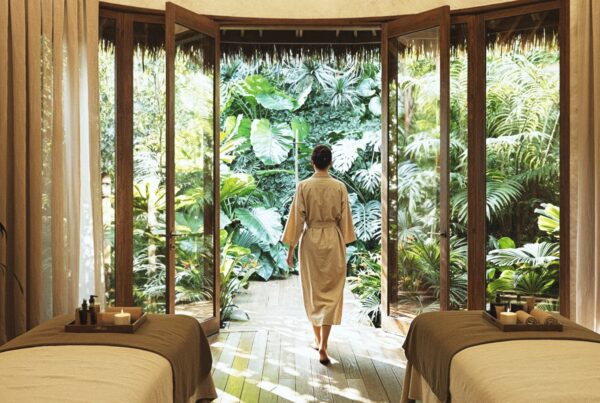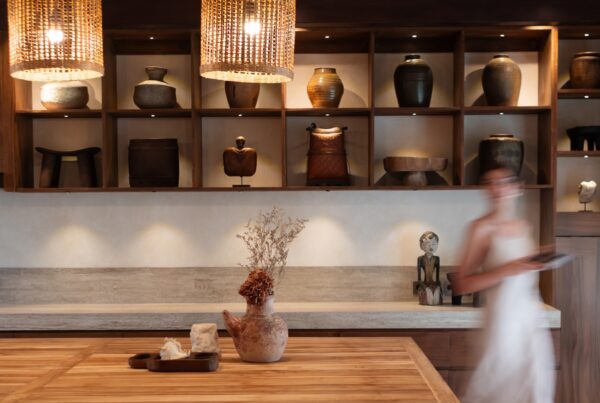
VELA Spa & Bath House in the Hunter Valley of New South Wales is set to bring a luxe, contemporary take on the traditional bathhouse experience.
Nestled within eight hectares of gardens at Crown Plaza Hawkesbury Valley, expect hot and cold bathing, restorative spa rituals and spaces designed for lingering, relaxing and resetting.
It is all part of the Great Australian Bathhouse Revival.
Forget the green juice, the infrared sauna and the latest wellness retreat promising to reset your life in 48 hours. Australia’s newest wellness obsession is considerably older – getting into hot water.
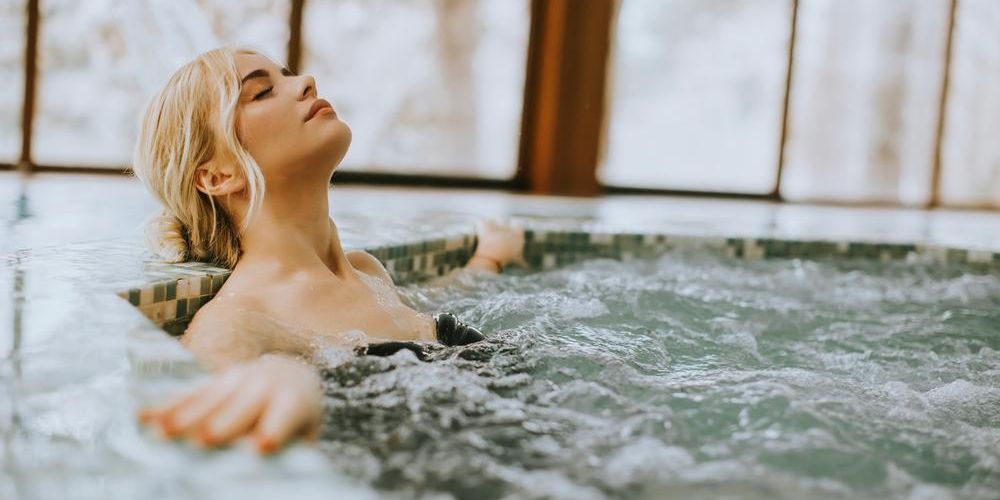
Bathhouses are having a moment. Across Australia, a new generation of beautifully designed bathing destinations is bringing together hot and cold pools, saunas, steam rooms, mineral waters and spaces to simply sit and do nothing.
Internationally, the trend is even bigger, with enormous thermal complexes, Japanese-inspired onsen and atmospheric urban bathhouses attracting locals and travellers.
The appeal is partly about health, but it is also about something increasingly valuable: time away from the demands of everyday life.
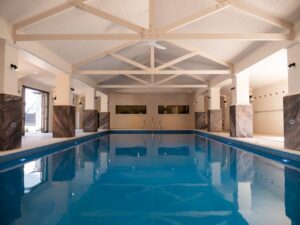 VELA Spa & Bath House
From treatment to ritual
Traditional spas tend to sell treatments – a massage, facial or body treatment booked for a specific period. The modern bathhouse sells something different: a ritual.
You arrive, change and move between heat, cold, water, steam and rest. You might spend two hours or an entire day. You can go alone, meet friends, have a conversation or sit silently.
It is wellness without the pressure to perform wellness. Sign me up!
That distinction matters. After years of fitness trackers, optimisation, meditation apps and increasingly elaborate wellness regimes, there is a growing desire for experiences that feel restorative rather than productive.
Bathing also has deep cultural roots. Roman thermae, Japanese onsen, Finnish sauna, Turkish hammams and European thermal spas have all treated bathing as a social and therapeutic ritual for centuries.
Australia’s new bathhouse generation
In addition to VELA opening, else BATHHOUSE is also part of this new wave.
Located in South Melbourne, the design-led destination draws inspiration from Roman bathing, Japanese onsen and Moroccan hammams, bringing together thermal pools, sauna, cold plunge, steam and relaxation spaces.
The concept is deliberately urban. You don’t need to wait for a holiday to go. It can become part of ordinary life – a place to visit after work or on a Sunday afternoon.
Soak Bathhouse, also in South Melbourne, takes a similarly contemporary approach. Its mineral pools and cedarwood sauna are designed around both social and solo bathing, reflecting the increasingly popular idea that wellness can be a shared experience rather than something undertaken alone.
Then there is Aqua Ignis in Blackheath in the Blue Mountains outside Sydney, where Japanese-inspired bathing meets a distinctly Australian regional setting.
Hot and cold bathing, mineral pools, sauna and herbal steam are combined with the atmosphere of the mountains.
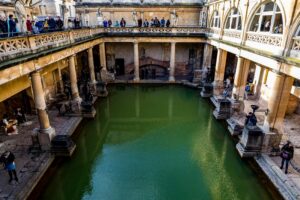 The Roman Baths in Bath
Australia has been here before
The current revival may look new, but Australians have been travelling for water for more than a century.
At Hepburn Bathhouse & Spa in Victoria, the tradition dates back to 1895. Hepburn Springs developed around its mineral springs and the idea of “taking the waters” as a health and leisure experience.
Further south, Peninsula Hot Springs on Victoria’s Mornington Peninsula has demonstrated just how large the market for thermal bathing can become.
What began as a hot-springs experience has evolved into a substantial wellness destination incorporating bathing, spa treatments, relaxation and accommodation.
And in the Blue Mountains, the Japanese Bath House offers an Australian interpretation of Japanese onsen culture, combining mineral bathing, steam, gardens and accommodation.
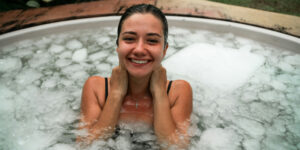 Is soaking actually good for you?
The wellness claims surrounding heat and cold therapy can sometimes run ahead of the science, so it is worth separating genuine benefits from marketing.
Heat exposure raises body temperature, increases blood flow and places a mild cardiovascular demand on the body.
Research into sauna bathing has found associations between regular sauna use and cardiovascular health, although much of the evidence is observational and sauna should not be regarded as a replacement for medical care.
Hot-water immersion also produces cardiovascular and circulatory responses. For many people, the immediate benefits are less complicated: warm water can help muscles feel relaxed, heat can encourage physical relaxation and the experience creates a valuable break from screens and daily demands.
Cold plunges create a very different physiological response, with cold water triggering vasoconstriction and a strong sympathetic nervous-system response.
 Will people travel for a soak?
Will peeps drive two or three hours specifically to sit in hot water? Increasingly, yes (I would). But probably not for the bath alone.
The successful destination bathhouse becomes the anchor for a short escape: a beautiful hotel, a long lunch, a walk, wine country, the mountains – and a few hours soaking.
Internationally, the model is even more developed.
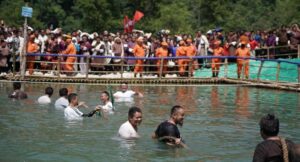
In Bhutan, the Bathing Carnival Bhutan (BCB) is returning for its second edition this November, inviting travellers to experience a vibrant celebration of water, culture, adventure and community in the less-explored eastern region of the Kingdom.
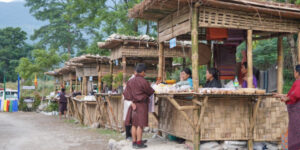
Inspired by the cherished Bhutanese tradition of Thruebab, the three-day festival (pictured above) reimagines the ancient practice of bathing in naturally occurring blessed waters through a contemporary programme of outdoor experiences and cultural festivities.
Highlights include mass bathing, water fights, a tug of water war, bucket relay races, fly fishing, a laser light show, bamboo mat dining and a Valley Fruit Feast, alongside traditional craft demonstrations and local markets.
Here, bathing becomes a reason to travel, but also a way to connect with local communities, discover eastern Bhutan’s living heritage and experience its natural beauty in a fun and unexpected way.
The Bathing Carnival Bhutan will take place from November 6-8 at Telung, Nganglam, PemaGatshel.
 The great soak ahead
The bathhouse revival is ultimately about more than hot water.
It reflects a changing definition of wellness: less optimisation, more restoration; less achievement, more pleasure; less screen time, more sensory experience.
And perhaps that is why this ancient ritual feels so modern.
The bathhouse asks very little of you.
In a culture obsessed with being busy, that might be the ultimate luxury.
And if Australians begin choosing their weekend and short break destination based on where they can get the best soak, the bathhouse could become something bigger than the next wellness trend.
It could become the next reason to travel.