Sleep tourism has settled in as one of the fastest-growing parts of the wellness economy according to the Global Wellness Institute.
Much of what sold it early on was equipment – from cooling mattresses to pillow menus.
The Institute’s 2026 sleep trends, however, point somewhere quieter, towards simplicity and living by the body clock.
That is familiar ground in India, where Ayurveda counts sleep, or nidra, among the three supporting pillars of health, alongside food and a disciplined way of living.
A consultation about poor sleep rarely stays on sleep for long. It moves to digestion, stress, when you eat and when you stop working.
For travel advisors, it matters that India’s sleep offerings are programmes, with consultations, daily schedules and minimum stays of five nights or more.
A client recovering from a long-haul flight does not necessarily need a sleep programme. Instead, a good hotel and a few unhurried days may serve them better.
The following retreats suit the client who has slept badly for a long time and can spare a week or two to address it under expert guidance.
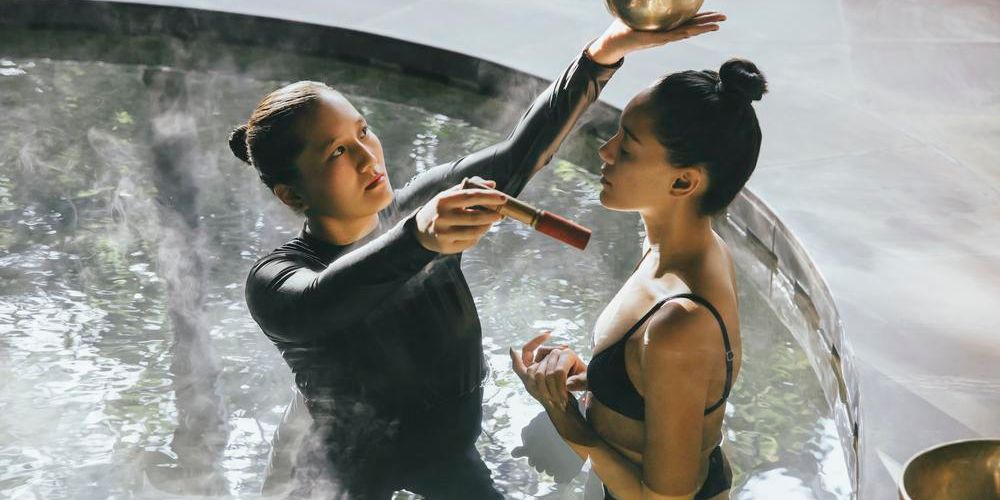
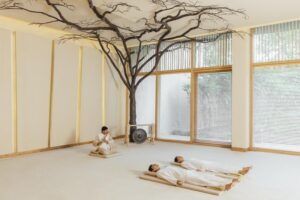 Six Senses Vana, Dehradun (above & main image)
Vana’s Sleep programme runs over five, seven or 14 nights and begins with a wellness consultation and sleep tracking.
“Someone may spend eight hours in bed and still wake feeling tired,” says Dr Jayachandran K, Wellness Director at Six Senses Vana.
“For us, the value of sleep tracking goes beyond achieving a better number. It makes something that happens largely unconsciously each night more visible.”
The programme combines yoga nidra, pranayama and meditation with Shirodhara, a steady stream of warm oil over the forehead, and Tibetan and natural healing therapies.
The standout at Vana is Raag Therapy. Indian classical ragas are traditionally tied to particular times of day and Vana uses that relationship between music, time and mood to ease guests from daytime stimulation towards rest.
“Raag Therapy is not intended to make someone fall asleep on cue,” says Dr Jayachandran. “It gives the mind something gentle to follow.”
Five nights is a good introduction and establishes a routine and longer stays give that routine time to settle.
 Tulåh, Kerala
Opened earlier this year, Tulåh takes a more clinical approach.
“We do not guess; we measure,” says Dr K. Nimisha Narendran, Ayurveda Specialist at the retreat.
Assessment begins before arrival and continues through the first 24 to 48 hours. Depending on the guest, this can include a sleep study looking at sleep stages and how long it takes to fall asleep.
Their Sleep & Calm programme runs over 14 or 21 nights, on a wellness track for sleep affected by stress, travel or lifestyle, or a clinical track for persistent sleep concerns.
Individually prescribed Ayurvedic therapies sit alongside sessions with a clinical psychologist, including cognitive behavioural therapy for insomnia.
That can involve reducing time in bed to build sleep pressure, which is worth explaining to anyone expecting two weeks of lie-ins.
Mornings begin with pranayama at 6.30am and evenings can include the Sonorium, a sound-healing dome that Tulåh describes as the world’s largest.
For all the diagnostics, one of the most practical prescriptions is dinner before 7pm. Guests leave with a plan covering breathing, evening routines, meals and light exposure, and follow-up consultations continue for three months.
 Ananda in the Himalayas, Uttarakhand
For readers new to it, Ananda is probably India’s best-known wellness retreat, with a guest list over the past 25 years that has included royalty and Hollywood names such as Nicole Kidman, Kate Winslet and Oprah Winfrey.
Its Sleep Enhancement programme runs in three phases over seven, 14 or 21 nights, led by an Ayurvedic doctor.
The first settles the body with a nourishing diet and treatments such as Netra Tarpan, an Ayurvedic eye ritual in which warm medicated ghee is pooled over the eyes.
The second brings in acupuncture, yoga nidra and Trataka, a candle-gazing meditation.
The third works with an emotional healer on the patterns keeping a guest awake, which is why the programme lists sleep procrastination and “endless dreaming” among its concerns.
The property recommends at least 14 nights and children under 14 are not permitted.
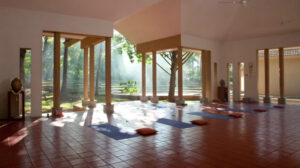 Shreyas Retreat, Bengaluru
Shreyas does not offer a dedicated sleep programme, but its Ayurveda Rejuvenation package places better sleep among its key objectives.
About an hour from Bengaluru airport, it makes an easy reset for corporate travellers finishing meetings or a conference in the city.
A stay can include Shirodhara, Takradhara, a related treatment using medicated buttermilk; and Navarakizhi, a massage using warm poultices of medicinal rice. Pranayama, cyclic meditation and yoga nidra make up much of the daily routine.
The kitchen is vegetarian and alcohol-free, and programmes run for five, seven, 10 and 14 nights. Less prescriptive than the dedicated programmes, it is easier to fold into a wider India itinerary.
Before you book
The first question is how much time the client actually has. These properties treat sleep as part of a wider daily rhythm, so length of stay matters, whether five nights or 21.
The next is how much assessment the client wants. At Vana, tracking is one part of the picture alongside how the guest feels. At Tulåh, however, diagnostics play a much more prominent role.
Set expectations before arrival: consultations, early mornings and prescribed routines are a very different proposition from a luxury hotel with a good spa. Then let the retreat’s specialists take over.
India’s approach to sleep tourism is ultimately simple: the whole day is treated as preparation for the night.
Nupur Khurana is AU/NZ Partner at QXP India, a luxury DMC covering India, Nepal, Bhutan, Sri Lanka and the Maldives. Contact her at: [email protected].