For many families travelling with neurodivergent children, a successful holiday is shaped long before they arrive at the airport, cruise terminal, hotel or theme park.
That preparation includes understanding what support is available, how to access it, what needs to be requested before travel and how each stage of the journey can be explained in a way the family can use.
As both a travel advisor and parent of two autistic children, I understand first hand that successful family travel often depends on details many people never see.
That experience has changed the way I think about family travel. For some families, the role of the advisor is not only to book the holiday, but to help identify the parts of the journey that may need more preparation, clearer communication or additional support.
 Why the details matter
For neurodivergent children, the challenge is often less about one single barrier and more about the cumulative load of the travel experience.
Unfamiliar environments, noise, crowds, waiting, changes to routine, new sensory inputs, social expectations, fatigue and multiple transitions can all add to the demands of the journey.
But travel can also create powerful opportunities. With the right preparation and support, children can practise skills they may already be working hard to build: communication, social confidence, flexibility, navigating sensory load and regulating emotions in unfamiliar environments.
Over time, these experiences can help build confidence and resilience and open up possibilities that may have once felt out of reach.
That is why preparation matters. It is not about removing every challenge from the experience. It is about helping families understand what is ahead, what support exists and how to approach the journey with more confidence.
Bringing children into the preparation
For parents and carers, support often starts with clear, practical information: what assistance is available, what needs to be arranged before travel and what to expect at key points in the journey.
For children, that same information often needs to be presented differently.
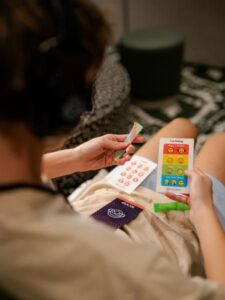 Visual, simple and interactive preparation can help a child build familiarity, understand what to expect and feel more involved before they travel.
This is the part of the work I am especially passionate about: bringing children into the preparation process in a way that recognises them as an important part of the travel experience, not just passengers being taken along for the trip.
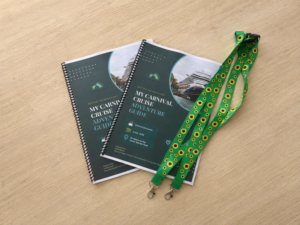
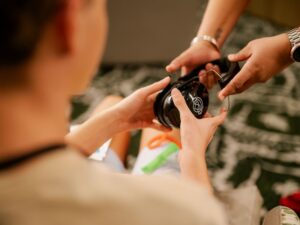
As part of supporting a family booked on a Carnival cruise, I recently created a child-focused preparation book that helped the child understand what to expect, build familiarity before stepping onboard and feel more involved in the experience.
When children understand more of what to expect, the whole family can start the journey feeling more prepared.
What advisors can look for
For travel advisors, supporting neurodivergent families means looking beyond the standard inclusions and asking what will make the experience more manageable in practice.
That may mean checking whether travel providers offer social stories, sensory maps, sensory kits, quiet spaces or pre-arranged assistance.
It may also mean considering resort choice, room location, itinerary pace, transfer types and how many transitions are built into each day.
These details may seem small, but they can significantly influence how prepared and supported a family feels before they travel.
 Industry initiatives moving in the right direction
Across the industry, there are fantastic examples of suppliers and organisations putting this understanding into practice.
Carnival Cruise Line’s partnership with KultureCity is one example.
Carnival offers sensory-inclusive supports onboard, including sensory bags, social stories and team member training around sensory and cognitive needs.
For families, the value is not only that these supports exist, but that they can be understood and requested before sailing.
Guests can complete the relevant specific needs form before travel, allowing support such as sensory bags or assistance during embarkation, debarkation and the safety briefing to be noted before they arrive.
These are the kinds of details families may not know to ask about and advisors may not always know to raise. Yet they can make a meaningful difference to how prepared a family feels before stepping onboard.
 The Hidden Disabilities Sunflower is recognised across airports, cruise terminals, hotels, attractions and transport hubs. It gives travellers a discreet way to indicate that they may need more time, clearer communication or additional support.
In Australia and New Zealand, one in five people have some form of disability and roughly 80 to 85 per cent are non-visible.
For neurodivergent children and their families, that recognition can make busy travel environments feel more manageable and give them greater confidence throughout the journey.
Certification, staff training and sensory-aware resources are also helping make support more consistent across the industry.
IBCCES, the International Board of Credentialing and Continuing Education Standards, works with travel and hospitality businesses through programs that build understanding of autism, sensory needs and practical planning.
As a Certified Autism Travel Professional through IBCCES, I see the value of this training in helping advisors ask better questions and plan with more confidence.
Larger industry examples are also emerging, with Emirates recognised as the world’s first Autism Certified Airline™ in 2025 and Dubai recognised as a Certified Autism Destination™.
The opportunity ahead
The need for this work is clear. In a survey cited by IBCCES, 87 per cent of parents of autistic children said they did not currently take family vacations, while 93 per cent said they would be more likely to travel if autism-certified options were available.
For the travel industry, this is not only about inclusion. It is about recognising families who want to travel, but may need clearer information, better preparation and more visible pathways to support before they feel confident to do so.
When suppliers, advisors and destinations work together, families can spend less energy managing the unknown and more time creating the connection, confidence and memories they hoped travel would bring.
https://www.connectedtravel.com.au/jade-sharp
Jade Sharp is a travel advisor with Connected Travel, specialising in thoughtfully planned family travel with a particular focus on supporting neurodivergent children and their families. As both a travel advisor and parent of two autistic children, Jade brings lived experience and professional insight to helping families prepare for holidays with greater confidence. She has also been peer nominated for the 2026 National Travel Industry Awards.