

Growing up in the UK, the name Cook Islands conjured up a distant South Pacific escape, not a place I ever expected to visit myself.
But these fifteen tiny islands are surprisingly accessible from Sydney, just a six hour Jetstar flight. A self governing nation in free association with New Zealand, they greet visitors with a Kia Orana that feels genuinely warm.
We travelled in early December and struck a sweet spot for weather, although it feels like this part of the world delivers more good days than not. Each day hovered around 26 degrees celsius, with a few showers that came and went quickly. Most of the week was blue skies and clear light that made the lagoons look even better than expected.
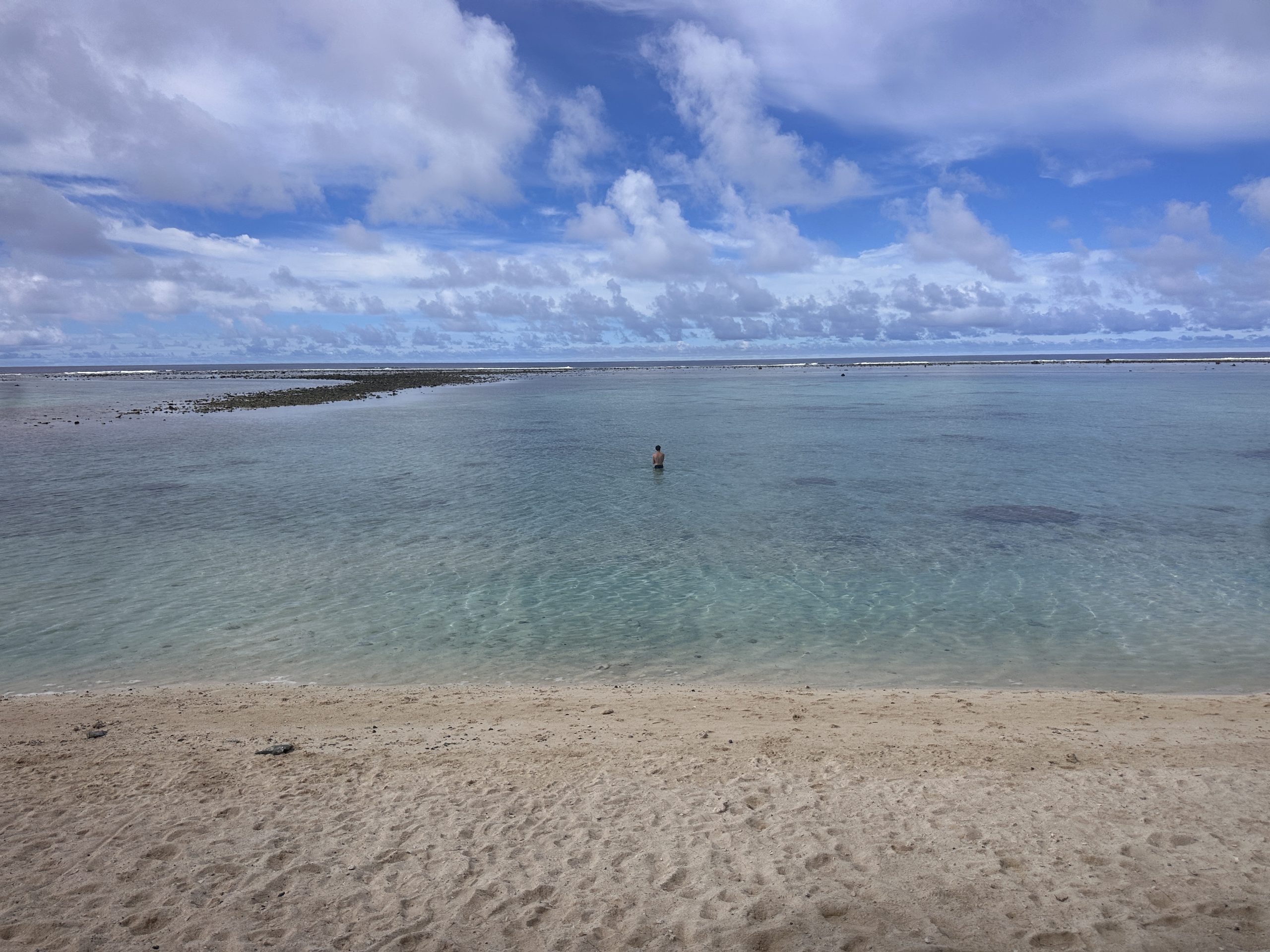
The lagoon here felt safe and easy, around waist deep for much of the swim out, with the edge of the lagoon roughly 500 metres from shore.
Snorkelling was simple and rewarding, with plenty of fish, coral and especially the large brain corals that look like underwater sculptures.
Next stop, the jaw-dropping Aitutaki
On day two we flew to Aitutaki.
The flight is a short 40 minutes in a prop plane with a two and one seat configuration, a small adventure in itself.
Approaching Aitutaki in clear weather is a genuine moment.
The lagoon announces itself from the air in layers of aqua, teal and pale blue that seem to belong to a different world.
The island is small, with the main road measuring about 25 km.
With a population around 2,000 and tourism as the main economic driver, it is the quieter choice compared with Rarotonga, perfect for a couple of days of pure relaxation.

We stayed at the five star Pacific Resort Aitutaki.
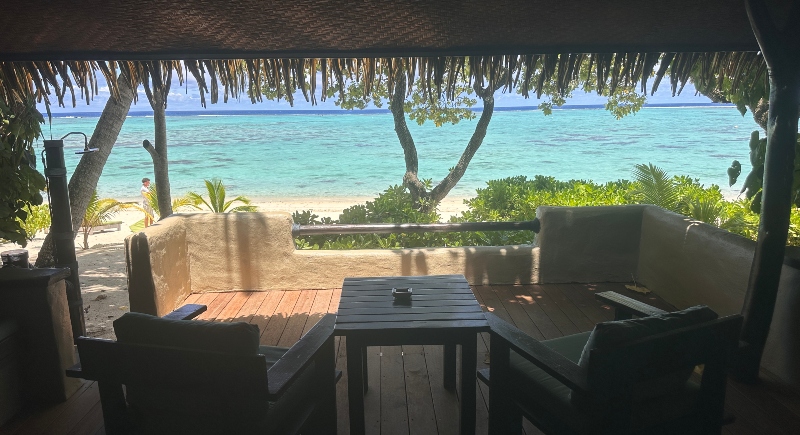
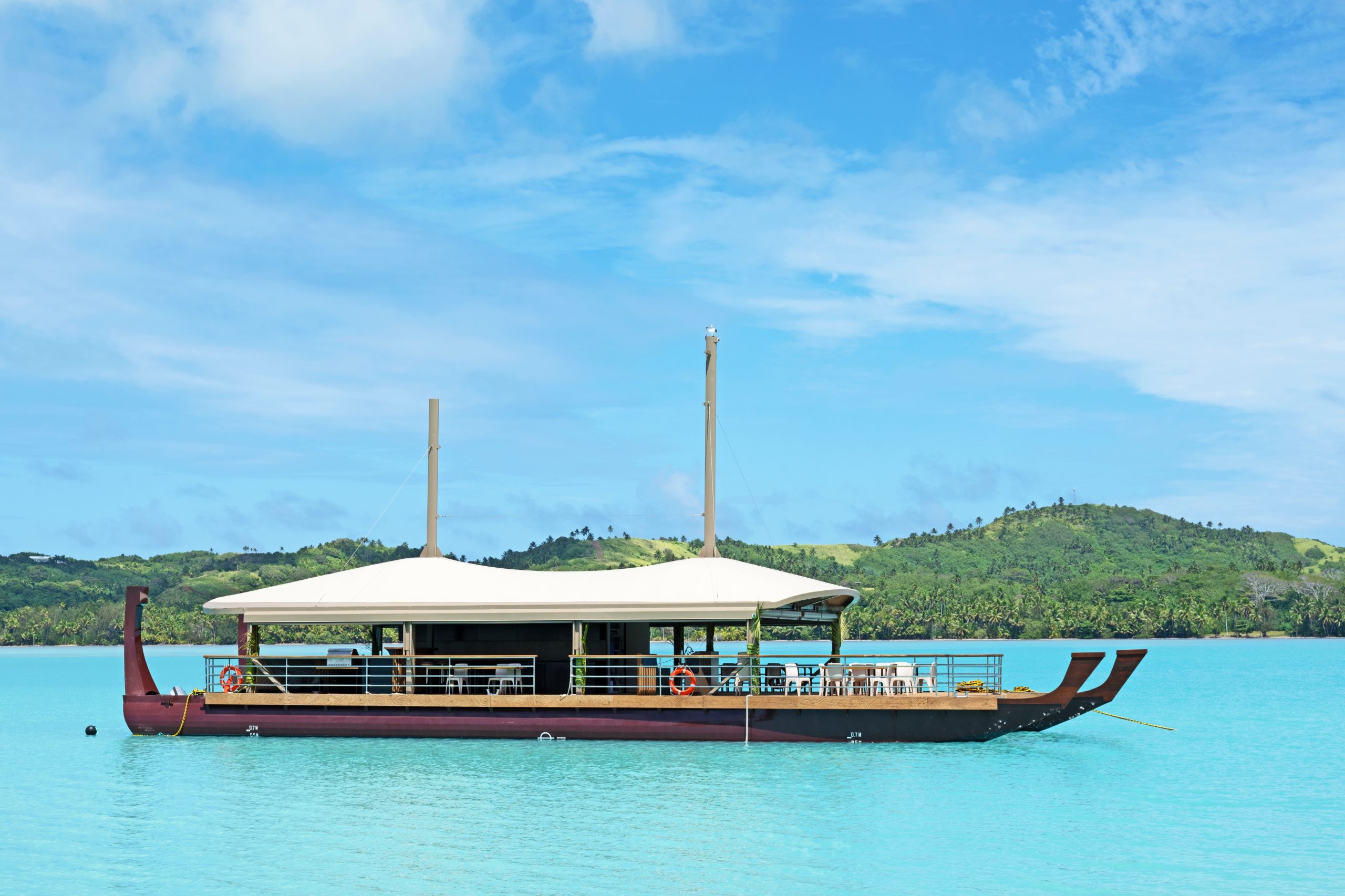
On return to Rarotonga, swimming and snorkelling were daily rituals for us.
The most stunning part of the lagoon was in Muri near the Pacific Resort.
The area offers a vast, safe area to swim and play, and the islets are easily reachable by kayak or paddleboard.

We found the best snorkelling in the lagoon next to The Rarotongan. There was more coral and we saw a diverse range of fish.
All beaches on Rarotonga are public and free to access below the mean high-water mark.
Swimming with turtles.


We went with Ariki Adventures on their sea scooter tour. Sea scooters are small battery powered propellers you hold to pull you through the water. In calm conditions, with snorkel and fins, I found the sea scooter unnecessary and a bit cumbersome. The turtles were only a couple of hundred metres from the beach and easy to reach under guidance.
The turtles live in the Avaavaroa Passage, a deep water passage that cuts through the lagoon. It is dangerous and you are strongly recommended not to enter without a guide. The experience was incredible, but I did feel a little conflicted about the impact of so many tourists on the turtles.
The turtles appeared not to be bothered by the many snorkellers looming over them but the high number of tourists must be having an effect. Turtles no longer nest on Rarotonga and there is concern over the future of the turtles here.
Choosing operators with clear standards and respectful behaviour matters. Ariki Adventures have been running for 10 years, are Mana Tiaki Certified and have signed the Cook Islands Tourism Memo of Understanding.
The Cross Island Trek: Rarotonga’s wild interior in one sweaty, slippery hit
From the coastal road, Rarotonga looks like the definition of tropical ease, flat, green and fringed by beaches you can lap in a single afternoon. Head inland, though, and the mood changes fast. The centre of the island is rugged and steep, the sort of dense, Jurassic Park like terrain that makes you forget you were on a sunbed an hour ago.

The Cross Island Trek is the classic way to see it. The route cuts north to south through the island’s interior, climbing to Te Rua Manga, known as The Needle, which sits 413 metres above sea level. On paper it sounds very doable, a 6 km hike with around 400 metres of elevation, the kind of stats that suggest a brisk morning walk and a relaxed lunch afterwards.
In reality, the numbers don’t tell the story.
We planned a shorter version, walking from the car park on Uruau Drive up towards The Needle and then back, roughly 3 km return. The track starts gently enough, the first kilometre is pleasant and lulls you into thinking this will be a cruisy outing. Then the climb begins and it stays that way. The heat and humidity build quickly, and while the mozzies seem to mostly avoid the coast, inland was a different story.
Underfoot, it is a mix of mud and slick slopes, with exposed ladder-like tree roots. They are not there for decoration, you end up using them as footholds and handholds, especially as the trail steepens. It is the kind of climb where you are constantly watching the ground, picking your line, grabbing at roots for grip and trying not to slide backwards.
I was on track to make it to The Needle, in my own time. My 18 year old son, however, decided he would prefer not to spend his morning watching his mother perish in the rainforest and started urging a turnaround. I called it about ten minutes short of the summit and let him scramble the rest of the way up. Even he decided against attempting the chain climb on the rock face at the top, which tells you everything you need to know about that final section.

The descent was harder than the climb. The same muddy slopes that are challenging going up feel borderline ridiculous going down, and at times the safest option really is to go backwards, using the roots like a ladder and lowering yourself carefully step by step.
If you are considering it, go early to avoid the worst of the heat, take water, two working knees, wear proper shoes with grip and do not underestimate the humidity. It is absolutely worth doing if you want to see a different side of Rarotonga, but it is not a casual stroll, especially after rain. The reward is that you get to experience the island beyond the lagoon, dense, green, dramatic and properly wild.

For something far more relaxed, the Rarotongan Brewery is a must. The beer is brewed onsite and worth a try, but the real standout is the non alcoholic ginger beer, so good we returned for a daily top up!.
Rarotonga sits in the middle of the Pacific, far from the nearest land mass.
The only native land animal is the Pacific fruit bat and there are no snakes. Within the island interior the only animals that you are likely to come across are the odd feral pig and chickens and you will definitely see chickens. They wander around resorts, restaurants and roads as if they own the place.
Dogs are another constant. Many Rarotongans allow their dogs to roam freely and you will see dogs at most resorts too. They are generally friendly and well cared for. On the other end of the spectrum, Aitutaki does not allow dogs at all. They have been banned since the early 1900s, with a few well circulated tales behind the rule.
If you love animals, you can visit the dog shelter and join a dog walk. I also visited the cats home, Paws n Claws, which runs Cuddles n Hugs drop in sessions on select days. It is exactly what it sounds like and it is excellent.


Other Rarotongan attractions include night markets, a range of tours and even the Raro Pub Crawl, also known as Rehab’s Party Bus, running several nights a week with pick ups along the main road.
The verdict: two islands, two moods
Rarotonga is fun and lively, with plenty to do and enough variety to fill a week easily. Aitutaki is quieter, slower and made for a few days of pure flop and drop, ideally with someone you like a lot.
Jetstar was no frills but expectations were managed. The flight did not feel too long and in true Rarotonga fashion we even left early on the way home.
The Cook Islands might be small, but the feeling they leave you with is big.





