Q: Corne, Africa’s Travel Indaba 2026 has just wrapped up. How has it been received?
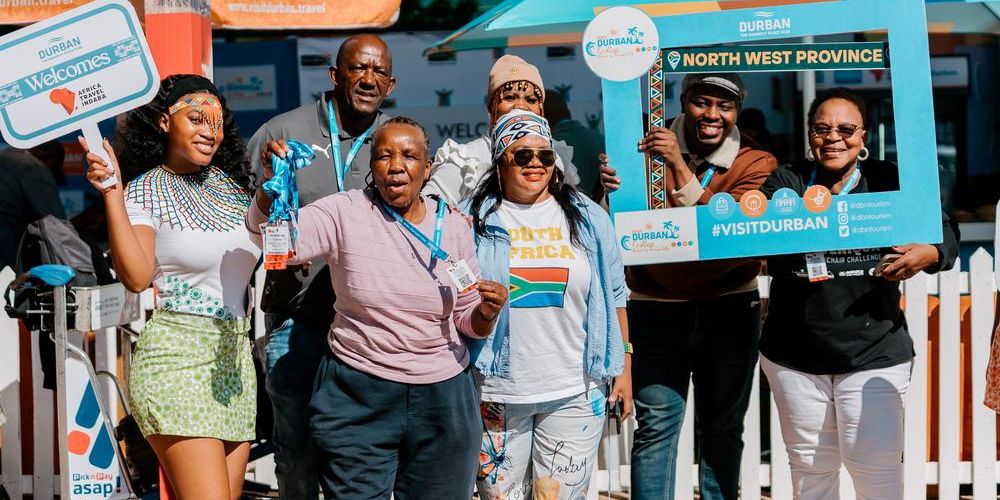
A: I think we can confidently say it’s been a success. We haven’t had any major negative feedback or unhappiness and if you look across the trade show floor, there’s been constant activity. It’s been buzzing.
It’s also important to remember that Indaba is more than just scheduled meetings. It’s a platform where the industry can come together, reconnect and forge new relationships.
That networking opportunity, the informal conversations, the chance encounters on the floor – those are often more valuable than the formal schedule.
In terms of numbers, arrivals to the show and the number of exhibitors are on par with, and in some areas, slightly better than last year. That’s encouraging. But more importantly, there is clear room to improve and grow further as we look ahead to 2027.
 Q: Why is an event like Indaba so important, especially in the context of Africa positioning itself as a global travel hub?
A: Events like this are crucial because they bring focus and momentum to tourism as an economic sector.
We’re fortunate that Indaba is squarely focused on tourism, but the principle applies to any event that can drive advocacy and meaningful communication. These gatherings create the space to align strategies, share ideas and unlock partnerships.
For a long time, tourism wasn’t always profiled as a major standalone sector. That’s changed. In South Africa, we now have a dedicated tourism ministry and many other African countries are following suit.
That institutional recognition matters, because it supports long-term planning and investment.
To remain competitive as destinations, we have to move to the next trajectory: using events like Indaba to stimulate real economic activity in tourism.
This is where the trade meets, does business and sets the agenda for how Africa presents itself to the world as a travel destination.
Q: So it’s almost as if tourism is suddenly being treated as a “new” priority, even though it’s always been there. What’s changed?
A: You’re right – tourism has always been here. What’s changed is the level of collaboration, strategic focus and political will behind it.
We’re seeing greater strategic alignment between ministries – tourism, transport, foreign affairs – and that direction filters down to destination marketing organisations like ours.
Our role is to take that message to market and turn it into tangible trade and travel activity.
 Q: There’s now a direct flight from Sydney to Johannesburg. What does that mean for you?
A: We’re very excited about it. The route was launched with significant fanfare in South Africa – we had that connection many years ago and bringing it back is a big win.
For Australians, who tend to love travel but also value convenience and direct routes, this is a game changer.
A direct flight creates an incredible number of new opportunities and growth potential for both tourism and trade.
If I were in the travel trade right now, I would be deliberately focusing on Australia as a growth market. Not a new market – we already have a relationship – but one where we can significantly grow the numbers.
Q: Looking ahead, what does the future of Africa’s Travel Indaba look like? It’s here at the Durban ICC for another four years – how will it come back bigger and better?
A: Our ministry has been very clear that we want to refresh what we do with Indaba.
Part of that refresh is recognising the auxiliary economies that both support and benefit from tourism – the creative industries, the film sector, food, fashion, entertainment, performing arts. These sectors and tourism complement each other.
We also want more exhibitors and, crucially, the right hosted buyers. There has to be a balance: exhibitors invest to be here and they expect a solid return on that investment.
So we’re focusing on the quality and mix of buyers – asking whether exhibitors are satisfied with who they’re meeting and how we can keep improving that.
 Q: As the event grows, is there enough space to keep expanding?
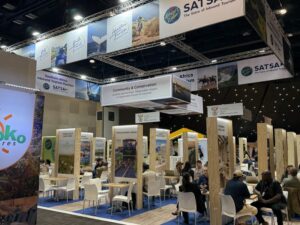
A: Space is always a challenge. We’ll never be an ITB-style venue with multiple massive halls and that’s fine – we need to play to our strengths.
What we can do is be smarter with our space. There are many potential activation areas and new ways of using underutilised zones.
We have beautiful outdoor spaces and we’re exploring how to mobilise those more effectively.
Q: What do you hope people take away from Indaba?
A: Above all, I want exhibitors to feel it was value for money and worth their investment. If you come here, meet just one person and that connection leads to a deal or a new opportunity that covers your costs of attending, then we’ve succeeded.
We’re looking at new partnerships and sponsorships for next year. The aim is not necessarily to increase the budget, but to use partnerships to stretch it further – to free up funds that can be redirected to other tourism initiatives while still growing and improving the show.
Q: Finally, how does this event fit into South Africa’s broader tourism strategy and long-term goals?
A: Indaba is a critical cog in a much bigger machine. Nationally, we have an ambitious target of 15 million tourism arrivals by 2030.
Indaba is one of the most important platforms we have to help reach those numbers. It’s been running for 30 years and while many things have evolved, the core purpose remains the same: bringing quality buyers and quality product together to grow tourism to South Africa and the continent.
Looking at the feedback and energy this year, I’m very happy with the result. We’ll keep refining, refreshing and expanding, but the foundation is strong – and that bodes well for the future of Africa’s Travel Indaba and for tourism across the continent.