
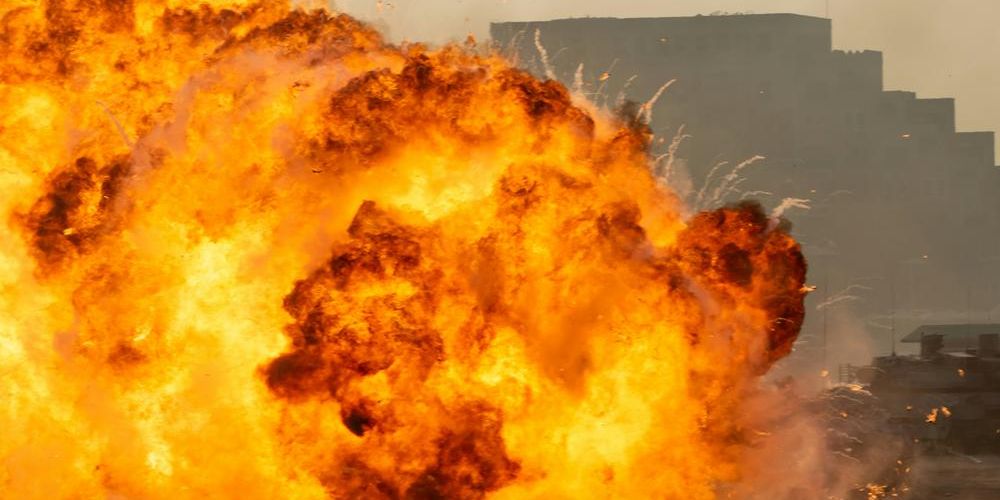
The ongoing conflict has forced widespread airspace closures and has grounded flights across key transit hubs.
The situation has escalated sharply in the past 12 hours, with airports in Dubai, Abu Dhabi, Doha and Tel Aviv suspending operations as conflict intensified.
Israel launched a new wave of strikes at Tehran yesterday and Iran retaliated as it comes to terms with the killing of Supreme Leader Ali Khamenei. The vital Strait of Hormuz remains closed, raising fears of rising oil prices.
Airspace over Iran, Iraq, Israel, Syria, Kuwait and the UAE has been closed, halting long‑haul routes between Australia and Europe that rely on Gulf stopovers.
Dubai International Airport, one of the world’s busiest transit hubs, shut down after being struck by Iranian ballistic missiles, injuring four people and causing extensive operational damage.
In the past 12 hours, explosions have been reported in Dubai and Doha, with airlines including Emirates, Etihad and Qatar Airways suspending services.
Middle East Conflict: Do Not Travel Notice Issued For UAE, Dubai Hotel Hit, Airlines Affected
Virgin Australia confirmed that seven of its Qatar Airways‑operated flights were cancelled on Sunday, leaving passengers stranded at Sydney Airport overnight.
Thousands of Australians abroad have also been caught in the shutdown, including travellers stuck in Qatar as flight cancellations ripple across the region.
Airlines including Lufthansa, Air France, Transavia, Qatar Airways, and Pegasus have cancelled all flights to Lebanon.
 The Australian Government’s Smartraveller service has issued its strongest warnings since the conflict began, advising Australians not to travel to Qatar, Iraq, Yemen, Syria, the UAE, Bahrain, Kuwait, Israel and Lebanon due to the heightened risk of further attacks and instability.
Travellers already in these countries are urged to shelter in place, monitor local media and follow instructions from authorities.
Australians planning to transit through the Middle East are advised to reconsider all travel, contact airlines before heading to the airport and prepare for significant delays or rerouting.
The service also suggests those with travel booked check their travel insurance’s policy on flight delays, cancellations and travel advice level increases.
The shutdown has caused a cascade of cancellations and diversions across Asia, Europe and Australia.
Emirates has suspended all operations in and out of Dubai, while other carriers have rerouted flights around the region, adding hours to long‑haul journeys.
Travellers in Sydney and other Australian cities have been forced to sleep at airports as airlines scramble to adjust schedules.
Authorities in the UAE and Gulf states have not provided a firm timeline for reopening.
Dubai Airports announced that operations are suspended “until further notice”, and regional governments are assessing damage and monitoring the risk of further strikes.
Given the ongoing retaliatory exchanges, aviation analysts warn that closures could last several days or longer.
# All Directors of the Australian Travel Industry Association (ATIA) have been actively engaged over the weekend, working alongside the executive leadership team to shape and steer a coordinated national response to escalating international aviation disruptions.
This has included activating and directing the Association’s Incident Response Group to centralise intelligence, align industry messaging and provide consistent national direction.
“ATIA’s Incident Response Group is actively coordinating with airlines, agency groups, tour operators and travel insurance providers to cut through fragmented updates and deliver authoritative, practical guidance members can act on immediately,” said Dean Long, ATIA CEO.
“Across the country, accredited travel professionals are working around the clock for their clients and we are making sure that effort is recognised publicly in every single mainstream media interview that we do.”





