
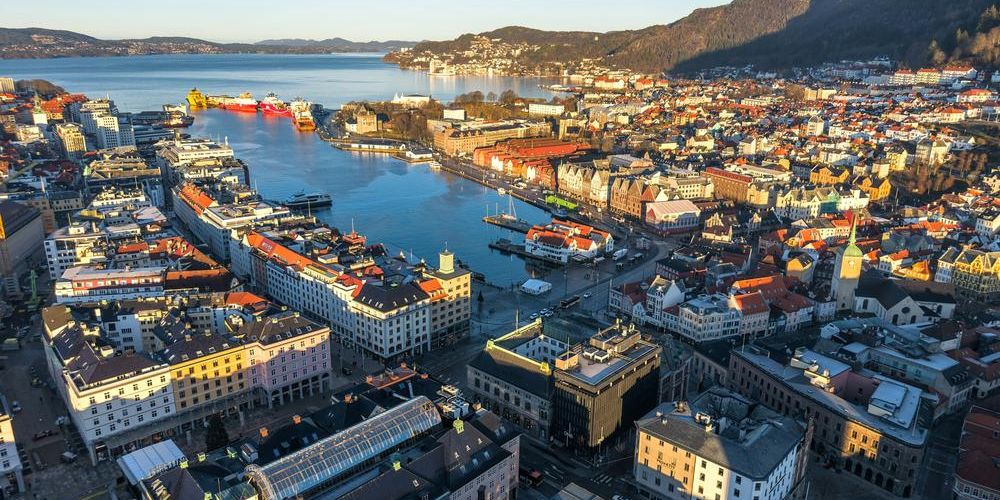
The conflict involving Israel, Lebanon and Iran has significantly reshaped cruise operations across the Eastern Mediterranean and parts of the Middle East, writes Honida Beram, Traveltalk’s cruise expert.
The resulting disruption has prompted widespread itinerary cancellations, ship redeployments and heightened security measures.
For cruise lines that only recently completed their recovery from the COVID‑19 pandemic, the conflict represents a new, regionally concentrated shock in an area that had begun to stabilise after years of intermittent disruption.
Eastern Mediterranean Deemed High Risk
Since the October 7, 2023 attack on Israel, the Eastern Mediterranean has increasingly been classified as a high‑risk operating zone by cruise companies and insurers.
The impact has included the suspension of calls to Israel and nearby ports, the rerouting or cancellation of entire itineraries, sharply rising war‑risk insurance premiums and a noticeable drop in passenger demand for cruises near conflict‑affected areas.
Cruise operators have responded conservatively, prioritising passenger and crew safety and implementing longer‑term deployment changes rather than short‑term fixes.
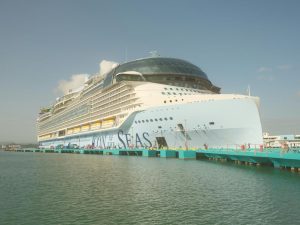 Israel Removed From Cruise Itineraries
Israel has been the most directly affected cruise destination. All major cruise lines — including Royal Caribbean, MSC Cruises, Norwegian Cruise Line, Celebrity Cruises and Holland America Line — have cancelled scheduled calls to Haifa and Ashdod.
Plans to homeport ships in Israel for winter and spring seasons have been abandoned, with vessels reassigned to Cyprus, Greece and Turkey.
In several cases, ships originally deployed to the Eastern Mediterranean have been repositioned entirely to Western Mediterranean or Northern European routes.
Bookings for Israeli ports have effectively dropped to zero, with no timeline for resumption while security risks remain high.
Lebanon and Iran: Regional Fallout
Lebanon, already a marginal cruise destination, has disappeared entirely from cruise schedules. Beirut is no longer included by major operators and insurers continue to designate Lebanese waters as high risk.
Iran is not part of mainstream Western cruise itineraries, but heightened tensions — particularly around the Strait of Hormuz — have disrupted niche and luxury Persian Gulf routes.
Several Gulf‑based cruises have been cancelled or paused, while others now avoid Iranian territorial waters altogether, focusing instead on ports in the UAE, Oman, Qatar and Bahrain.
Ships previously scheduled for Eastern Mediterranean deployments are being reassigned to what operators consider safer regions, including the Western Mediterranean, Northern Europe and parts of Asia. Some Red Sea itineraries continue to operate, but under increased caution.
Rather than temporary changes, cruise lines have implemented longer‑term deployment adjustments. Passengers affected by itinerary disruptions are generally offered full refunds, rebooking options or alternative embarkation and disembarkation ports.
 What This Means for Australian Travellers
Australian travellers are being urged to exercise caution. The Australian Government currently advises ‘Do not travel’ to Israel, Lebanon, Iran, Qatar, the UAE and several other Middle Eastern destinations, warning of ongoing military activity, airspace closures and the potential for sudden travel disruptions.
For Australians with European cruises booked, industry voices recommend avoiding itineraries that include Eastern Mediterranean or Middle Eastern ports, even where those ports are listed as provisional.
Travellers should also carefully review flight routings, as many Australians transit through Middle Eastern hubs to reach Europe, creating additional risk and cost even when the cruise itself operates elsewhere.
Western Mediterranean, Northern European, Australian coastal and South Pacific cruises are currently viewed as lower‑risk options.
Travellers are advised to monitor Smartraveller updates, stay in close contact with cruise lines and travel agents, and review travel insurance carefully, noting that most policies exclude war‑related disruptions.





