Travelling alone isn’t new, but why we’re travelling alone is changing.
More travellers now choose solo trips not because they want to be alone, but because they want the freedom to travel independently while still connecting with others along the way.
At Intrepid Travel, solo travellers now account for around a third of bookings across Australia and New Zealand, reflecting a broader shift towards more flexible travel styles.
Personally, I love travelling with friends on hikes or spending time on the road with industry peers. But working in travel also means I’m not tied to the traditional end-of-year shutdown. When I’m ready to take a trip but friends are stuck in reporting season or waiting for their Euro summer, I often travel solo.
Like me, many travellers want the independence to travel on their own schedule, while still having opportunities to connect once they arrive. Small-group travel fills that gap, offering a balance between autonomy and shared experiences.
Strong growth in solo female travel
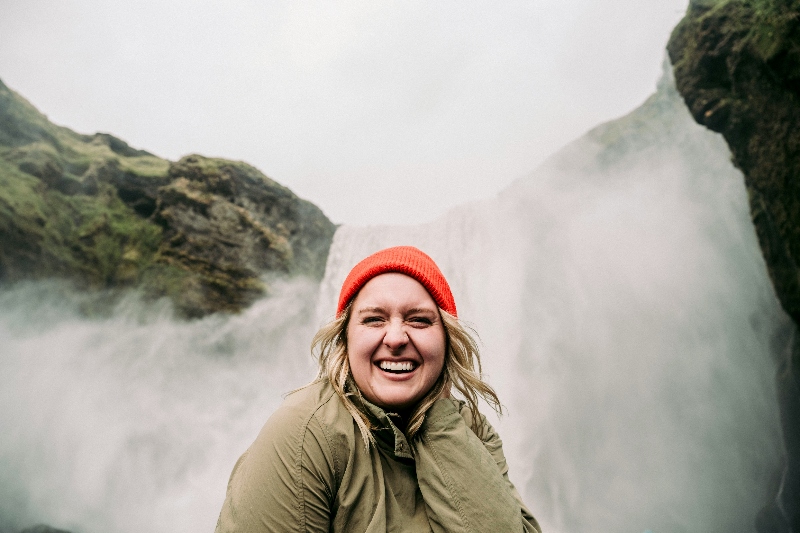
Within the broader solo segment, women over 50 travelling independently continue to drive growth.
Women make up more than half of Intrepid’s global customers, and the company’s Women’s Expeditions range grew by 32% in 2025, with 77% of travellers joining those trips solo.
This month, Intrepid also launched three new Women’s Expeditions in Peru, Cambodia and Bhutan. Led by local female leaders, the new eight- to eleven-day itineraries include women-led experiences designed to break down gender barriers, support female-owned businesses and provide deeper cultural insights for travellers.
Travellers consistently tell us these trips become some of the most memorable experiences of their travels.

Why small-group travel works for solo travellers
For many travellers, particularly those visiting destinations for the first time, small-group travel offers a practical and comfortable way to explore unfamiliar places.
Destinations such as Morocco, India, Vietnam and Cambodia remain popular with solo travellers but can feel logistically complex to navigate independently.
Travelling with a local leader and a small group provides reassurance, local knowledge and an added sense of safety, while still allowing travellers the freedom to explore at their own pace.
The model also helps address one of the long-standing challenges of solo travel: cost. By bundling accommodation, transport and activities into one itinerary, group trips can reduce the single supplement costs that often make independent travel more expensive for solo travellers.
Independence without isolation
The growth of solo travel reflects a broader change in how people approach travel. Travellers increasingly prioritise flexibility, personal experiences and meaningful connections with both the places they visit and the people they meet along the way.
For the industry, that shift continues to influence product development from small-group itineraries and hosted departures to experiences that bring travellers closer to local communities.
Travellers may start their journey independently, but the experiences they value most are often the ones they share.