The recent closure of Global Vision International sent a jolt through the voluntourism industry.
After 28 years, one of the sector’s biggest names cancelled its programmes worldwide, leaving students and volunteers who had paid thousands upfront out of pocket.
But the wider picture is far brighter than that headline suggests. Purpose-led travel isn’t going anywhere.
It’s becoming smarter and more sustainable, built around what both communities and travellers actually need.
Anton Lategan, MD of Africa-based EcoTraining, says prospective travellers need to dig a little deeper, beyond beautiful marketing material, to recognise genuine impact and spot the red flags.
These include:
1. The marketing is all heart and no evidence
There is a difference between an organisation’s claims and their credibility. Emotional imagery is easy to produce; measurable results are not. For Lategan, this is perhaps the most important red flag of them all.
“If you’re considering a career in nature guiding or looking for a gap year, sabbatical or career-break programme, look at an organisation’s history and track record before you commit.
“And look at their local partners. It’s important to get into the detail, ask for evidence and be wary of glossy online marketing with little to back it up.”
 2. It overpromises and underdelivers
Lategan believes travellers deserve honest opportunities, not promises of quick fixes. Nobody changes the world in a week.
Meaningful impact, for society, the environment and travellers themselves, comes down to time, values, understanding and leadership.
The industry, he explains, is shifting towards learning and self-development.
“We are not here to be voyeurs of nature; we are here to reconnect people as active citizens of the natural world.
“When you spend days in the bush with expert guides, you switch off from the noise and something changes in you. It is good for the soul and people leave as advocates and conservationists in their own right.
“With that ecological empathy in place, they approach communities with real respect and greater understanding.”
3. You get to hold the baby animals
Cub petting and “walking with cats” are still sold as conservation, but a real sanctuary shields its animals from needless human contact.
“Historically, a huge proportion of volunteer programmes involved direct interaction with wildlife, often under the banner of rescue or rehabilitation. Today we know far more about the welfare implications,” says sustainable tourism consultant Melissa Foley.
“Whether it’s cub petting, bottle feeding or walking with predators, that kind of contact should immediately raise questions.
“A genuine sanctuary protects animals from unnecessary human interaction; it doesn’t create opportunities for tourists or volunteers to have close encounters.”
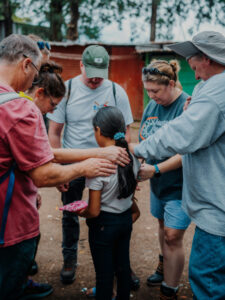 4. The trip includes a school or orphanage visit
Ms Foley explains that the same shift in thinking has happened around schools and orphanages. “Children should never be a tourism attraction,” she says.
“Short-term access to vulnerable children creates safeguarding, privacy and emotional wellbeing concerns, and fortunately the industry is moving away from these practices.
“Taking wildlife interaction and school visits out of voluntourism removes a large part of the old model, but I see that as positive progress, not a loss.”
5. You’re taking jobs from the local community
Getting your hands dirty is not the problem; in fact, it is often the point. Lategan says EcoTraining’s own programmes are built around hands-on work and that this is exactly what makes them worth doing.
“People come for an immersive experience, not to sit back and watch someone else do the work,” he says.
“Rolling up your sleeves gives you a real appreciation of everything that goes into wildlife and environmental conservation. It builds confidence and a sense of self, and it stays with you. Learning is doing.”
There is a line, though, and it matters. Rewarding as the work is, you should never be handed a job that ought to be paid and filled by someone from the local community.
Credible programmes know the difference. Sustainable programmes create sustainable employment for local communities, by using the resources generated through international markets.
Skills are developed and employed at a local level through sustainable eco-tourism
 Do your homework
While there are warning signs to look out for, there are also green flags too.
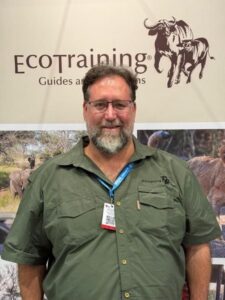
Alongside an organisation’s history, track record and partners, Lategan (pictured left) says you shouldn’t be shy to ask about recognised industry accreditation, independent accolades and the qualities of the locations.
“Every country will have an established body that sets industry standards for service, knowledge, safety and ethics.
“Before you book anywhere, make sure your supplier has legitimate local accreditation – through the correct body.
“This will protect the traveller in terms of gaining legitimate qualifications and recognition within a safe and respected industry. As an added bonus, the organisation can share awards, peer recognition and current, verifiable reviews.”
In addition, he suggests doing your homework when it comes to a programme’s location.
“EcoTraining has camps in South Africa, Botswana and Kenya. Each has their own unique ecosystems, topography, wildlife, needs and learning opportunities.
“An honest conversation will help you determine where you want to be – and what you want to achieve.”
Where this leaves us
For anyone still keen to travel with purpose, the market is growing.
“We see guests arrive for a one-week course and go on to book a 55-day one,” says Lategan.
“The traditional gap-year traveller in their late teens and 20s, off to find themselves, isn’t going anywhere, and that’s exciting.
“But there’s a ‘pathway to purpose’ for mature professionals too, from CEOs to lawyers and accountants. They’re taking a sabbatical for exactly the same reasons a younger person takes a gap year.
“They’re looking for fulfilment mid-career and they’re asking harder questions before they commit.
“That instinct to give back hasn’t gone anywhere. It has grown more discerning, which is good news for everyone.”
https://www.ecotraining.co.za/