“First hand up gets the co-pilot’s seat.”
The pilot’s offer hung in the air as around a dozen of us stood on the dock in Campbell River waiting to board the floatplane to Knight Inlet Lodge.
Nobody moved.
After an awkward pause, my hand crept into the air.
A few minutes later I was climbing carefully into the co-pilot’s seat.
Rather than simply enjoying the view from the front of the aircraft, I spent the next 25 minutes chatting with the pilot through our headsets.
We’d both recently spent time in Nunavut, Canada’s remote Arctic territory, and by the time we reached Glendale Cove we’d covered everything from flying in the far north to life in some of Canada’s most isolated communities.
The flight itself was unlike any I’d experienced before. Take off was so smooth I barely realised we’d left the water and the landing was just as gentle.
From the cockpit, the view is extraordinary. Fjords carve deep into the mountains, countless islands scatter across the coastline and forests cloak almost every hillside.


Looking down, it’s easy to imagine bears, wolves, whales and eagles thriving in a place where nature still seems firmly in charge.
 Then the landscape changes.
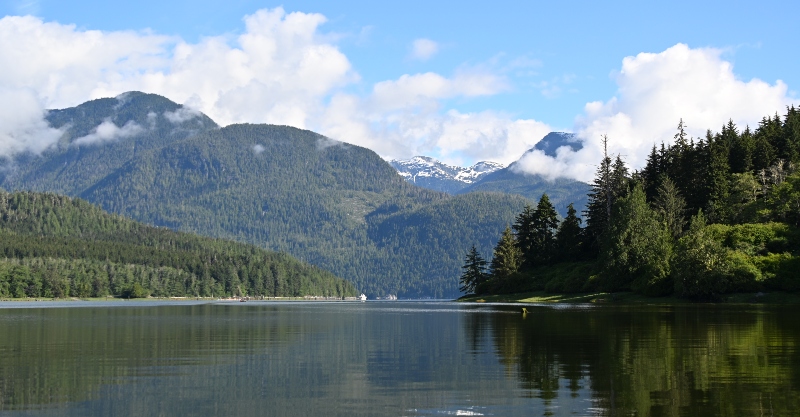
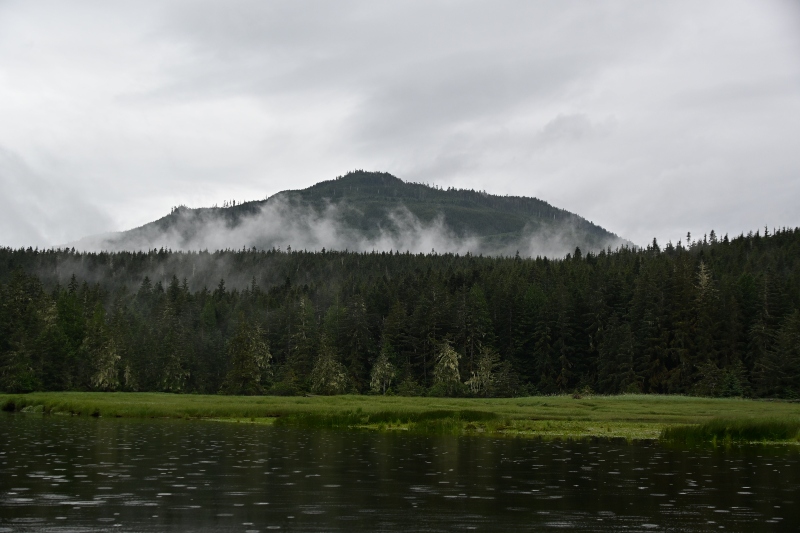
The sheer granite walls give way to broad sedge meadows, a winding river and gently sloping beaches. This is Glendale Cove, one of Canada’s premier grizzly bear viewing habitats and home to Knight Inlet Lodge.

The lodge itself floats quietly on Glendale Cove, dwarfed by mountains and surrounded by wilderness. After being welcomed with coffee and cake we head towards one of the lodge’s flat bottomed skiffs for our first estuary cruise.
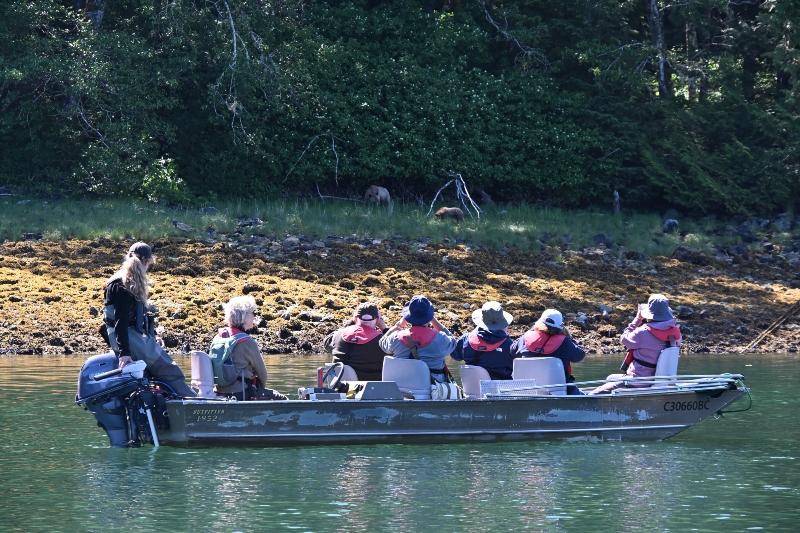
There were just four of us aboard. The guide eased the boat across the cove to the shoreline opposite the lodge before switching to the electric motor.
Almost immediately the atmosphere changed. Conversation stopped and the only sounds were the gentle ripple of the water, birds calling across the estuary and the occasional click of a camera shutter.
Then we saw them.
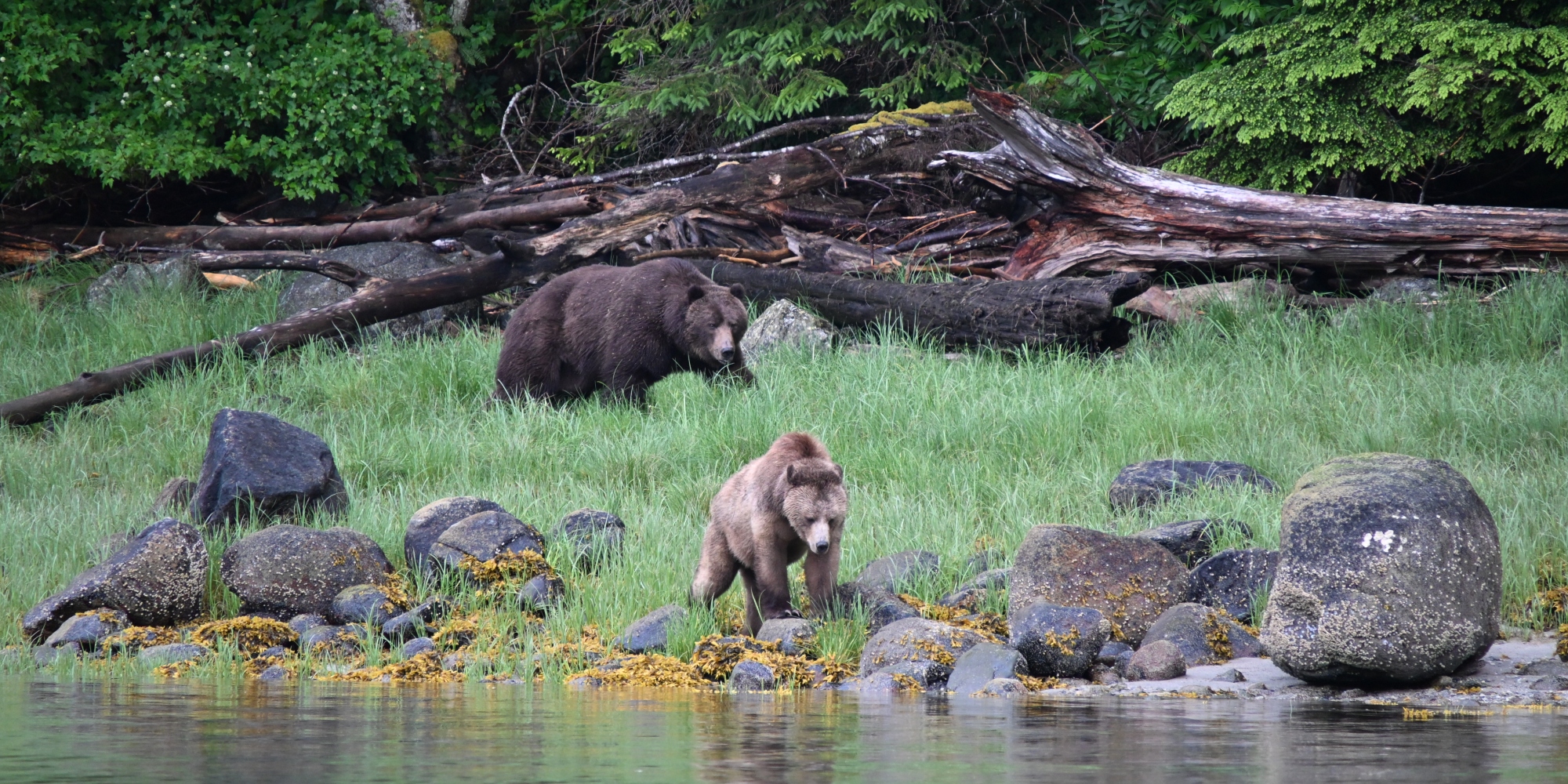
A mother grizzly and her yearling cub were slowly making their way along the shoreline, grazing on the lush sedge grass that carpets Glendale Cove each spring. There was no rush to follow them and no running commentary from the guide. Everyone simply watched in silence as the pair fed their way along the water’s edge.
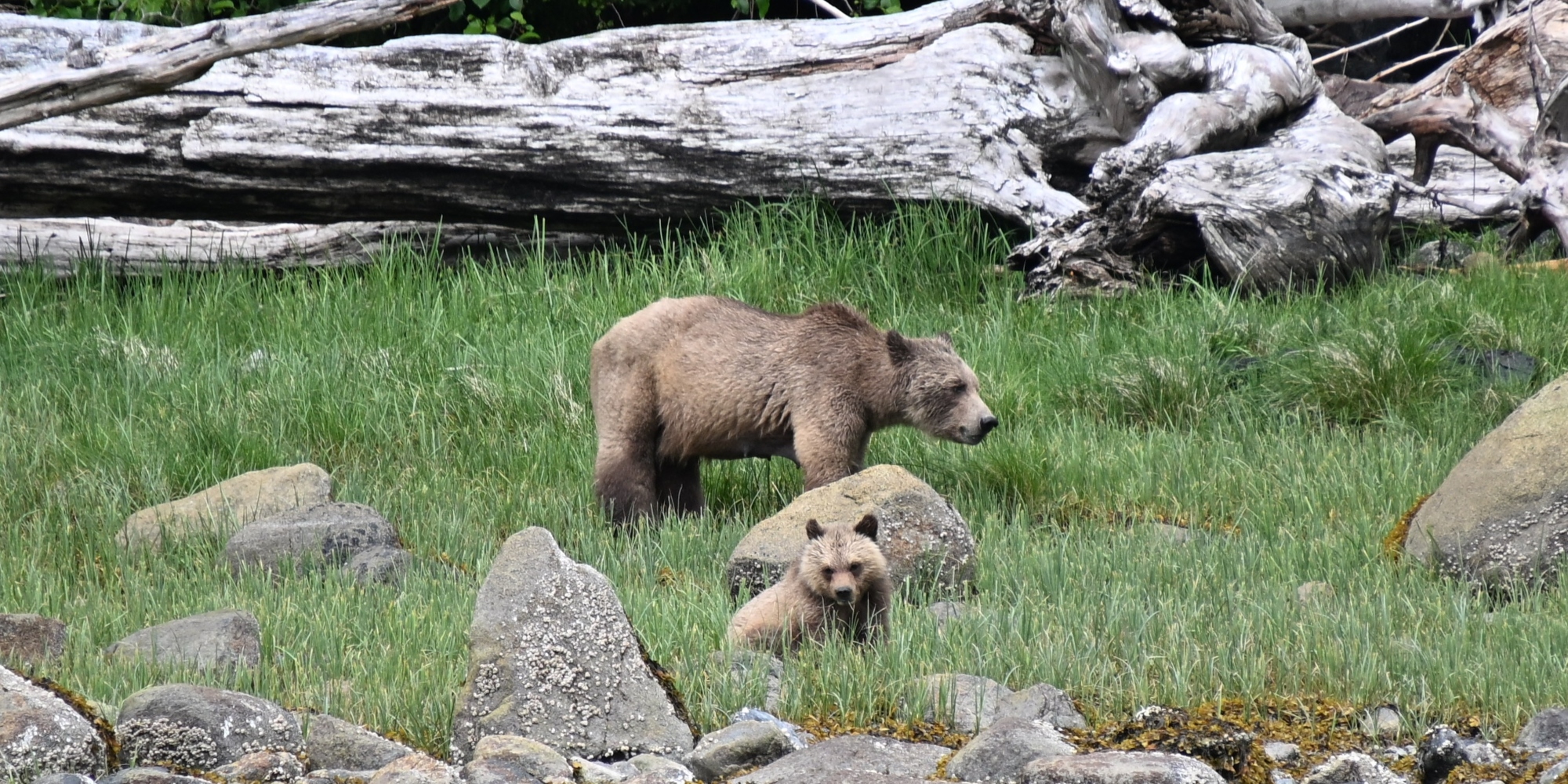 Later, I discovered the mother was Lenore, a female now in her 20s who has been returning to Glendale Cove for many years. She has grown up being quietly observed from these same boats and has become accustomed to their respectful presence. Her yearling cub followed close behind, never straying far from its mother’s side.
That first encounter set the tone for the rest of my stay. Knight Inlet Lodge isn’t about ticking wildlife off a list. It’s about slowing down, spending time with the animals and allowing the experience to unfold at nature’s pace.
The same philosophy extends to the entire stay. Each evening guests choose which excursions they’d like to join the following day – whether that’s another estuary cruise, a rainforest walk, kayaking or a four wheel drive trip up the mountain.
If bears are your priority, you can spend all four daily excursions on the estuary, giving you around six hours each day to observe them, something few wildlife experiences anywhere in the world can match.
That first encounter wasn’t unusual. As the days passed, I came to appreciate just how well the guides understood bear behaviour.
We spent hours with another pair, Chestnut, a large male, and Lillian, one of Lenore’s daughters. It was remarkable to realise that the bears we’d been watching weren’t strangers to the guides. They were animals whose lives and family relationships had been followed over many years.
Eventually they mated in full view, right out on the open sedge grass. There was nothing hurried or dramatic about it. Lillian tried repeatedly to continue feeding while Chestnut shadowed her every movement, never allowing her to wander more than a few metres away.
Another encounter remains just as vivid.
Rather than following the pair along the shoreline, our guide quietly moved the skiff further ahead and we waited.
Minutes later the bears wandered towards us, completely unconcerned by our presence. They passed so close that we could hear the steady crunch of sedge grass as they fed.
Nobody spoke.
There was no need.
Moments like that don’t happen by accident. They come from years of understanding animal behaviour and, just as importantly, knowing when not to interfere.
Knight Inlet Lodge operates under a strict bear management plan. The guides constantly watch for signs of stress and back away immediately if an animal changes its behaviour. The goal isn’t the closest possible encounter. It’s allowing the bears to remain completely wild.
 Not every adventure takes place on the water.
Several excursions begin from what the guides jokingly call the “bus depot”, an old logging road on the opposite side of Glendale Cove where the lodge keeps its vehicles.
Even getting there can be an adventure.
On one morning there was just me and the guide in the skiff. As we approached the usual landing point, two grizzlies were feeding on the shoreline. Instead of disturbing them, we quietly rounded the headland and landed about 100 metres away, completely out of sight.
Walking silently towards the waiting vehicle knowing there were two wild grizzlies only metres away was one of the most surreal moments of the trip.
Before anyone steps ashore, the guide always climbs out first, scanning the surrounding bush before calling softly, “Hey bear!”
It feels completely counter intuitive.
Surely the last thing you want to do is announce your presence?
In bear country, that’s exactly what you should do.
The greatest risk isn’t seeing a bear. It’s surprising one. Making noise gives the animals every opportunity to move away long before people arrive.
One of my favourite land based excursions was the bear tracking tour. Travelling along old forestry roads, we visited rubbing trees polished smooth by generations of bears scratching themselves, old den sites and remote camera traps that regularly capture footage of the local wildlife. It offered a fascinating glimpse into what the bears are doing when visitors aren’t watching.
As remarkable as the wildlife excursions were, one of my favourite afternoons involved doing… absolutely nothing.
I skipped one excursion simply to stay behind at the lodge while everyone else headed out.
The difference was immediate.
The floating lodge became almost silent. Bald eagles soared overhead. Rufous hummingbirds buzzed between feeders on the deck. Barn swallows darted in and out of the rafters feeding hungry chicks.
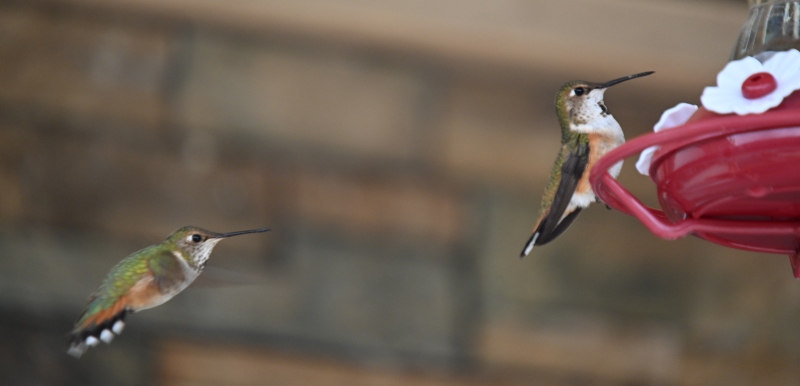 Sitting outside with a coffee, watching the birds while the mountains reflected in the still water below, turned out to be every bit as memorable as watching bears.
By the second evening, dinner felt less like eating in a hotel restaurant and more like sharing stories with new friends. Conversations drifted between bear sightings, photography tips and travel adventures with guests from Australia, Britain, the Netherlands, Denmark and Canada.
 I’d expected the wildlife to impress me. I hadn’t expected the food to.
The days start early and appetites follow. Buffet breakfasts fuel the morning excursions while lunches and dinners are generous, varied and consistently excellent.
Fresh baking appears between meals and there’s always tea, coffee and hot chocolate waiting after a chilly morning on the water.
As our floatplane lifted away from Glendale Cove a few days later, I found myself looking at the landscape differently.
Flying in, I’d simply seen forests, mountains and water.
Flying out, I recognised individual valleys, the estuary where Lenore and her cub had been feeding, old logging roads and the routes we’d travelled over the previous three days.
 The bears had been unforgettable, of course.
But what stayed with me just as much were the quieter moments. The sound of bears chewing sedge grass just metres away. The guide calling “Hey bear” before stepping ashore. Hummingbirds hovering outside the lodge. Eagles gliding silently overhead.
Most of all, I was struck by how little our presence seemed to matter to the bears themselves.
Over three days I never once had the impression they changed their behaviour because we were there. Lenore carried on feeding with her cub. Lillian and Chestnut continued their courtship. The bears weren’t performing for us. We were simply fortunate enough to witness a few days in lives that would have unfolded exactly the same had nobody been watching.
The greatest compliment I can pay Knight Inlet Lodge is that, for three days, I never felt like the wildlife was there for us. We were there for the wildlife.
Jenny was a guest of Knight Inlet Lodge.