Royal Caribbean’s Royal Beach Club on Lelepa is being hailed as a game-changing tourism development for Vanuatu, promising jobs, investment and a new era of South Pacific cruising.
But as excitement builds ahead of its opening, questions remain over what the project means for traditional cruise ports, cultural authenticity and the future of private island destinations.
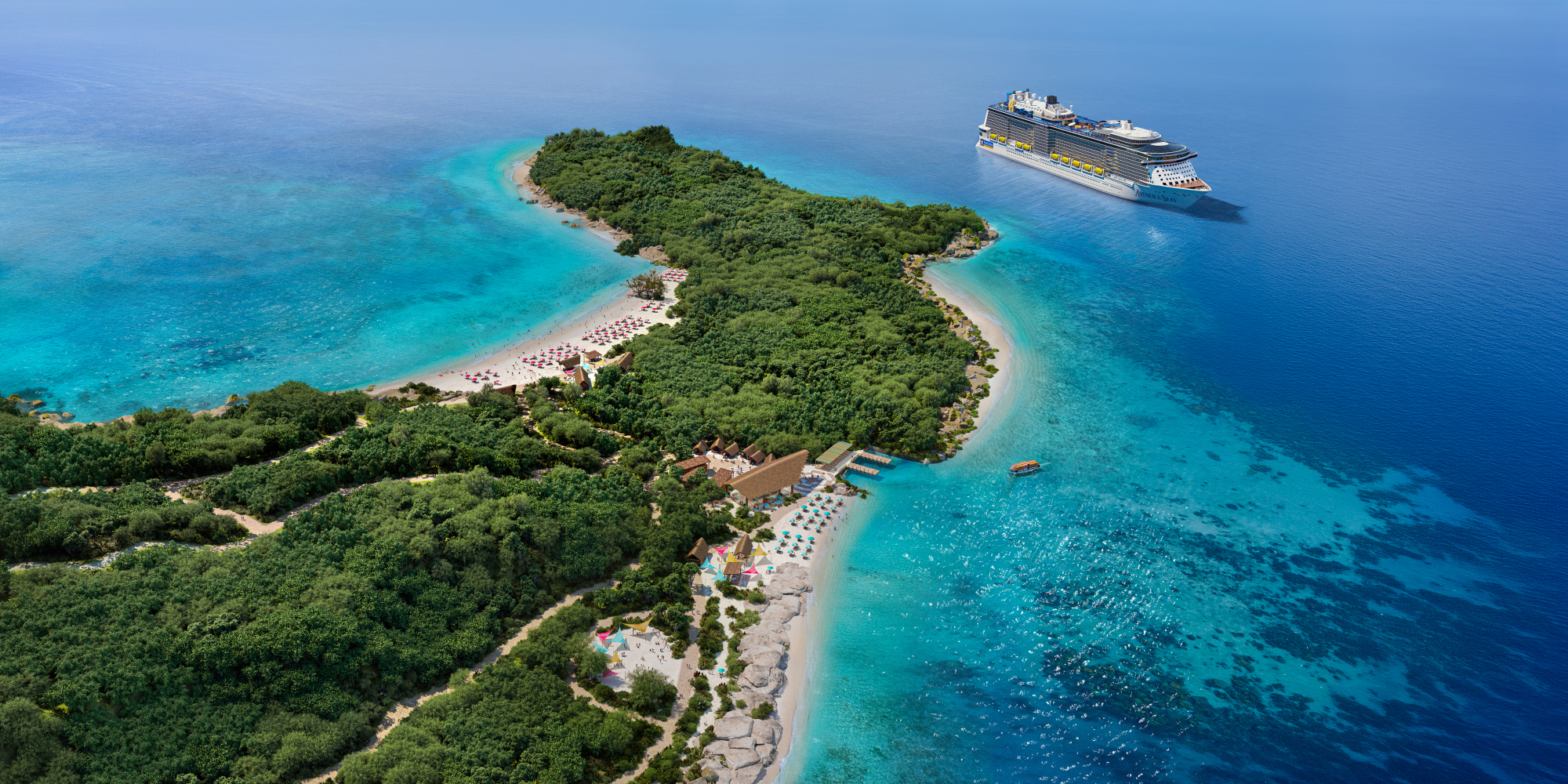
Located off Efate near Port Vila, Lelepa will become Royal Caribbean’s first private beach club in the Southern Hemisphere.
Unlike many private cruise islands, the project has been developed in partnership with the traditional landowners, with the cruise line promising the destination will remain deeply connected to Ni-Vanuatu culture.
“Royal Beach Club Lelepa is designed to deliver a world-class tourism experience that celebrates Vanuatu’s rich cultural heritage and natural beauty while advancing environmental stewardship and local economic development,” a Royal Caribbean spokesperson said.
The company says marine conservation initiatives and partnerships with local experts will help protect the surrounding ecosystem while creating “meaningful economic opportunities” through new jobs, increased tourism and business opportunities for communities on Lelepa and in Port Vila.
“Built on a vision of shared prosperity, Royal Beach Club Lelepa will contribute to sustainable, long-term economic growth and community development across Vanuatu,” the cruise line said.
The project has generated enormous interest among Australian cruisers eager to experience a destination designed specifically for Royal Caribbean guests.
Sydney cruiser Shelley Bialon has already booked a voyage to Lelepa aboard Voyager of the Seas, attracted by the opportunity to experience somewhere entirely new.
“We are always looking for new destinations. When we saw Royal Caribbean promoting Lelepa, we did our research straight away,” Ms Bialon said.
Travelling with a mobility scooter while her daughter Krystal uses a wheelchair for most of the time, Ms Bialon hopes accessibility has been carefully considered.
“It would be great if everyone can enjoy the island. We’re excited, but also a little apprehensive because it’s a tender port. Hopefully there are accessible pathways and Royal Caribbean’s staff, who have always been fantastic, can help.”
Her enthusiasm is echoed across social media, where many cruisers have described Lelepa as a “bucket-list addition” to South Pacific itineraries, saying they’re excited to experience a new destination without travelling to the Caribbean.
However, projects like Lelepa have come in for criticism.
Private cruise destinations have sparked debate globally, with critics questioning whether passengers will spend less time and money in traditional ports, potentially reducing income for local operators elsewhere. Others argue exclusive destinations risk creating sanitised tourism experiences that feel disconnected from the countries they represent.
Joel Katz, Cruise Lines International Association (CLIA) Australasia Executive Director, believes the success of projects such as Lelepa ultimately depends on local communities benefiting.
“Cruise line private island developments like Lelepa highlight the potential for cruise tourism projects to create lasting benefits when they are developed in close partnership with destinations and local communities,” Mr Katz said.
“The most important measure of any development of this kind is whether local people are meaningfully involved and share in the benefits through employment, business opportunities, skills development and the inclusion of local culture, food and experiences.”
Mr Katz also rejected suggestions Lelepa would replace traditional ports.
“Lelepa will add another dimension to the already diverse cruise offering across Vanuatu and the wider South Pacific,” he said. “It does not replace established ports, communities or other cruise experiences, but broadens the range of choices available to travellers.”
Whether Lelepa becomes a blueprint for future cruise developments across the Pacific remains to be seen. Its long-term success is likely to be measured not just by visitor numbers, but by whether it delivers on its promise of protecting culture, preserving the environment and ensuring local communities remain at the heart of paradise.