Wellness travel is expanding beyond spa treatments and yoga retreats, with travellers increasingly seeking experiences centred on nature, food, movement, culture and connection.
Hawaii is positioning itself strongly within this broader shift, drawing on practices and landscapes that encourage visitors to slow down and engage more deeply with place.
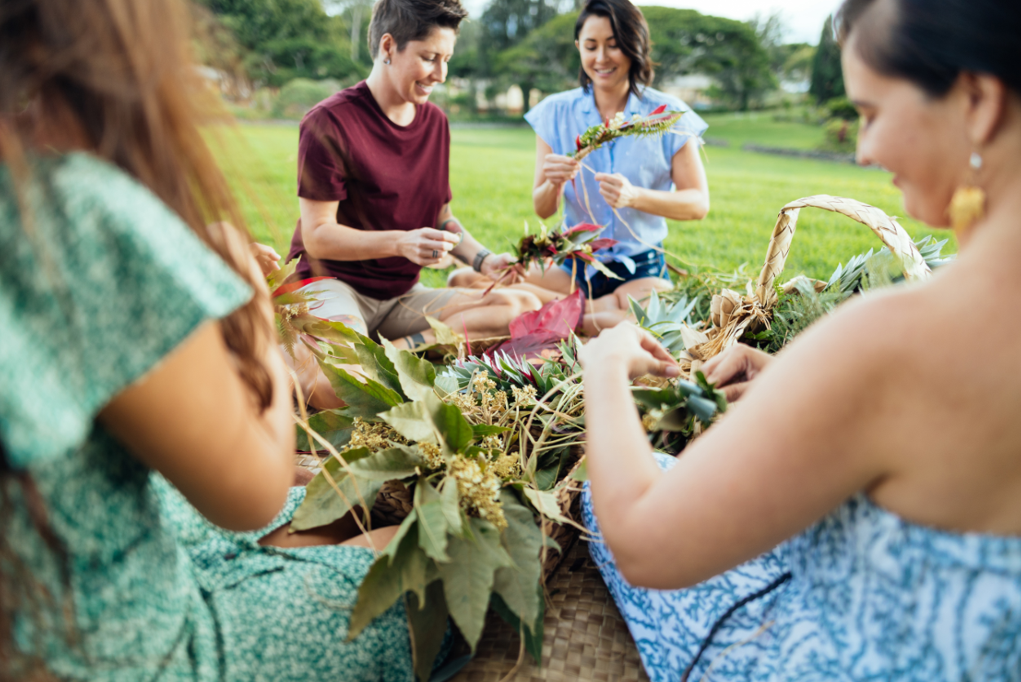
Across the Hawaiian Islands, the approach varies by destination. On Oahu, travellers can combine traditional wellness programs with cultural experiences such as lei making and guided forest bathing, while resorts in Waikīkī are incorporating movement, nutrition, spa and cultural activities into their offerings.
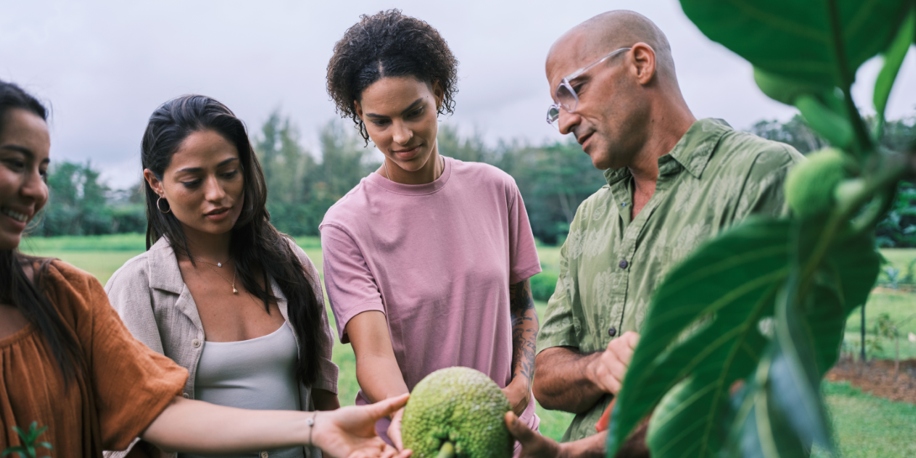
Maui places a stronger focus on the relationship between land, food and community. Experiences include farm visits, coffee orchards and farm-to-table dining, alongside resort programs incorporating yoga, Pilates, spa treatments and ocean activities.
On Kauai, regenerative agriculture and outdoor experiences form part of the wellness offering, with visitors able to explore local farms, kayak through Hanalei’s waterways or stay at properties combining spa treatments, movement and nature-based activities.
The Island of Hawaii offers experiences ranging from cloud forest retreats and tea farm tastings to cultural canoe journeys that explore the relationship between Hawaiian communities and the ocean.
Native Hawaiian concepts including mālama ʻāina, meaning care for the land, and hoʻoponopono, associated with reconciliation and restoring balance, also provide cultural context for a style of wellness that extends beyond individual treatments.
Across the four main islands, the emphasis is increasingly on creating opportunities for travellers to reconnect with nature, local culture, food and community as part of a broader approach to wellbeing.
According to the Global Wellness Institute, Australia ranks fifth globally for wellness tourism, while the wider wellness economy reached $US6.8 trillion in 2024.