Q: Why is it important to you to produce the Not Hot List and what do you hope it will achieve?
A: Tourism can become concentrated in particular places and we know there are incredible destinations beyond the most well-known tourism hubs that have an opportunity to benefit from more visitors.
As a global operator, we know we can play a role in giving travellers more choice about where they go and how they experience a destination.
That means working closely with local partners, creating trips in emerging regions and encouraging travellers towards experiences that help spread tourism beyond traditional centres.
That’s really what the Not Hot List is about. It’s not about telling people where they shouldn’t go – we know the world’s iconic destinations will always be a huge part of travel.
It’s about showing travellers what else is out there – places they might not have considered that are ready for tourism.
The best outcome for us is that people discover somewhere they might never have considered, have an incredible experience and their tourism dollars support local guides, accommodation, restaurants and communities that genuinely benefit from having them there. That’s good for the traveller and good for the destination.
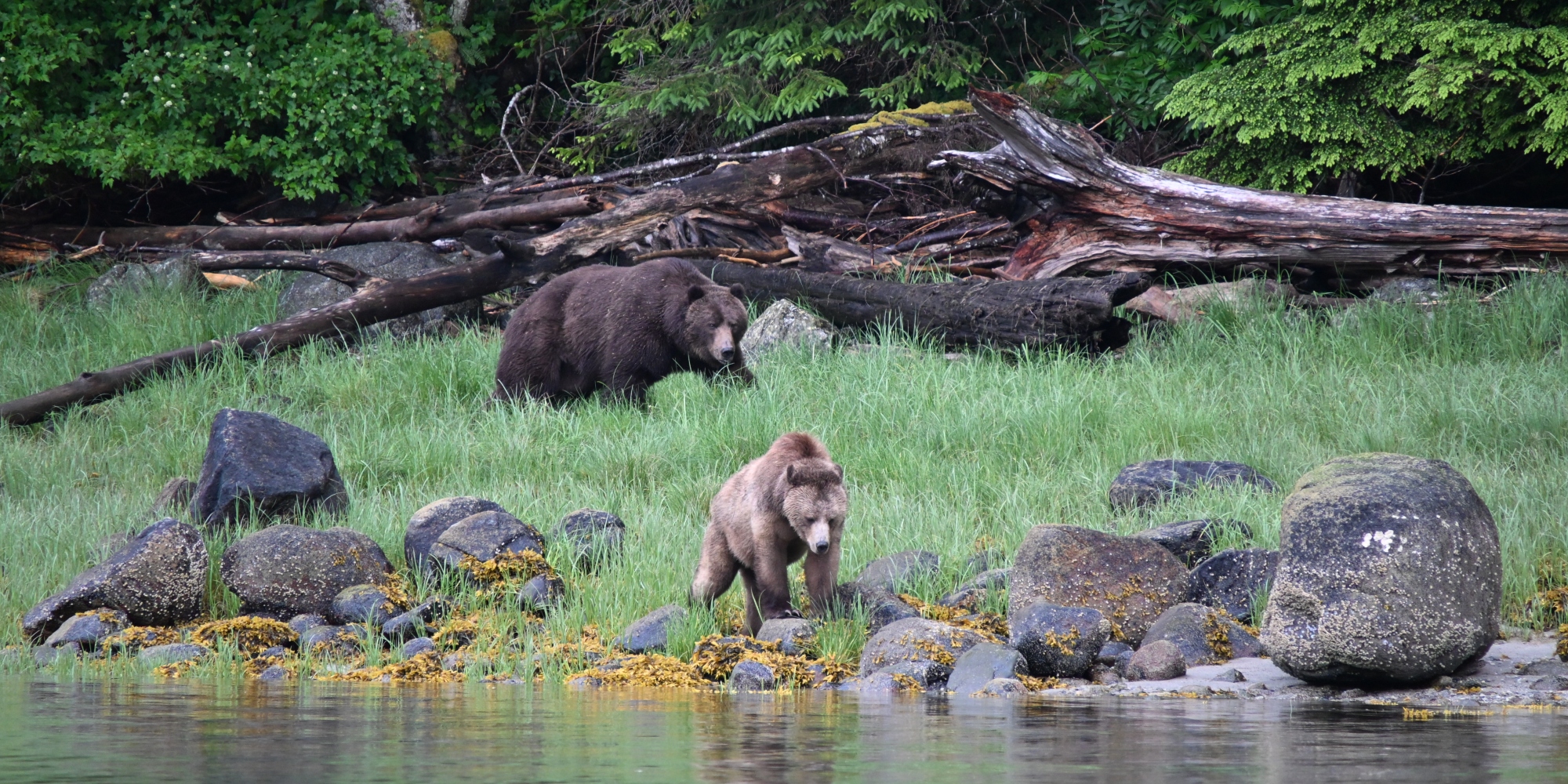
 Adaka Cultural Festival, Whitehorse, Yukon. Picture courtesy Government of Yukon
Q: Have you visited any of the 10 locations listed?
A: I have spent time in Sri Lanka and was recently in Canada and both are great examples of countries where there’s so much more to discover beyond the places travellers traditionally gravitate towards.
What I love about this year’s list is how surprising some of the destinations are.
Sri Lanka’s Pekoe Trail, for example, takes you through tea country, staying in family-run accommodation and moving through communities most visitors simply don’t see.
Then you’ve got Whitehorse in Canada’s Yukon, which offers a completely different side of the country through its wilderness and local experiences.
There’s a real sense of discovery to this year’s list and that’s ultimately what we want to encourage travellers to embrace too.
 Q: Which of the new trips connected to the list are you most excited by?
A: The Kenya Safari Adventure is a really exciting one for me. Having grown up in Zimbabwe, I’ve always had a real connection to this part of the world and a love for its wildlife, landscapes and national parks.
It’s something I’m really keen to experience more of, particularly with my family.
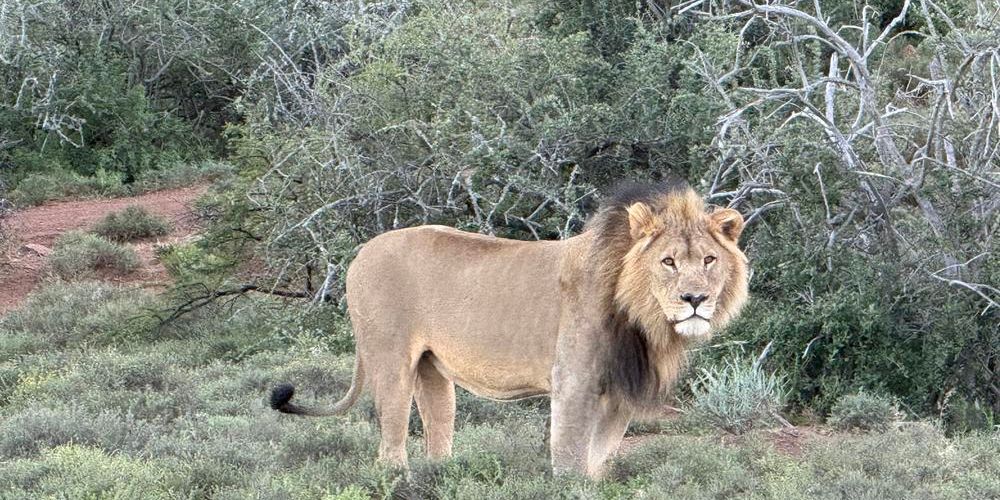
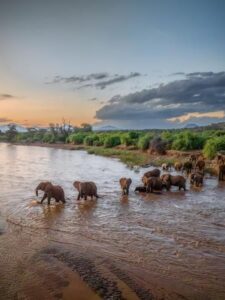
Everyone knows the Maasai Mara National Reserve, and for good reason, but Samburu (above, courtesy Samburu Sopa Lodge) receives around 30,000 to 40,000 visitors a year – roughly a tenth of the number heading to the Maasai Mara.
You’ve still got extraordinary wildlife, including the Samburu Special Five, but you’re getting a very different safari experience, with fewer vehicles and a really strong community conservation model.
Q: How will visiting these destinations help local communities and economies?
A: Tourism dollars can be incredibly powerful when they stay in the places people are actually visiting.
Take Sri Lanka’s Pekoe Trail. It’s a 300-kilometre trail running through tea country and dozens of rural communities, and the whole model has been designed to spread tourism income along the route.
That means opportunities for local guesthouses, cafes, guides, artisans, farmers and transport providers – businesses that might otherwise miss out when visitors concentrate themselves in the same tourism hubs.
And we’ve seen what that can look like through previous Not Hot Lists. Sainshand in Mongolia featured on our 2025 list and bookings on our Trans-Mongolian Railway Adventure grew 300% between 2024 and 2025.
The local camel-herder family Intrepid visits has since expanded its milk-processing business, started producing camel milk powder and is now purchasing milk from other nomadic families in the area.
That’s the impact we want to see. It’s not simply about getting more people somewhere new, it’s about making sure tourism creates opportunities that stay within those communities and continue long after the traveller has gone home.
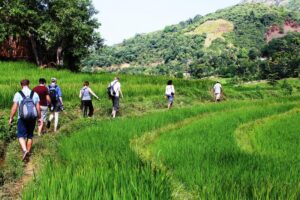 The Pekoe Trail, Sri Lanka. Picture courtesy Intrepid Travel
Q: Do you think sustainability is the main criteria people consider when choosing their holiday destination?
A: I think travellers are increasingly thinking about the impact their holidays have on the places they visit.
Our latest research found 83% of travellers believe it’s important to choose travel that positively impacts the people and places they visit and, importantly, they’re willing to change how they travel to make that happen.
In fact, 92% said they would consider changing their travel plans to help reduce the impacts of overtourism, whether that’s travelling outside peak periods, supporting local businesses or visiting lesser-known places.
The opportunity is showing travellers that making those choices doesn’t mean compromising on the experience.
Going somewhere with fewer crowds can mean a better holiday. Staying locally can mean a more genuine connection with a place. Travelling outside peak season can mean better value and a completely different perspective on a destination.
Responsible travel works best when it isn’t a compromise. The better choice should also be the better holiday.
Q: Does the list prove that travellers are looking for something more than bucket list destinations?
A: Absolutely. There’s a real appetite for depth, immersion and coming home feeling like you’ve actually understood a place rather than just seen it.
We’re seeing travellers get much more curious about what sits beyond the obvious. They still want the incredible landscapes, food and culture, but increasingly they’re asking where they can experience those things without following exactly the same itinerary as everyone else.
That’s what makes this list exciting. You’ve got the Northern Highlands instead of stopping at Petra and Wadi Rum, Samburu alongside the Maasai Mara, and the Carretera Austral taking you into a much less visited part of Patagonia.
The bucket list isn’t disappearing. I think travellers are just getting much better at writing their own.
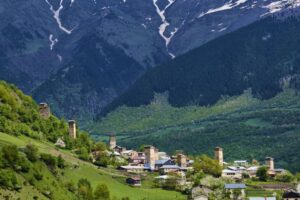 Mestia, Georgia. Picture courtesy Tuul and Bruno Morandi
Q: Is there any danger that this list might actually be counter-productive, sending more tourists to an area that either can’t handle sudden increases or doesn’t want to be on the tourism radar?
A: Absolutely, if you get it wrong. Sending more travellers somewhere simply because it’s quiet would completely defeat the purpose of the list.
That’s why one of the three criteria for the Not Hot List is tourism readiness.
We’re specifically looking for destinations that have the infrastructure and capacity to welcome more visitors responsibly, alongside community alignment and sustainable destination planning.
And we’re not making those decisions from an office in Australia. This year’s list draws on our destination and operations experts across 35 countries, as well as local guides, tourism boards and independent trend research. That local knowledge is critical.
More tourism isn’t automatically better tourism. The goal is to support tourism growth that is sustainable for the destination, spreads tourism dollars into communities more equitably and also gives travellers more choice about where and how they experience a place.
Intrepid’s Not Hot List 2027:
- Samburu National Reserve, Kenya
- Mestia, Georgia
- Northern Highlands, Jordan
- Whitehorse, Yukon, Canada
- Alonnisos, Greece
- Dili, Timor-Leste
- Pekoe Trail, Sri Lanka
- Liepāja, Latvia
- Carretera Austral, Chile
- Dalsland, Sweden
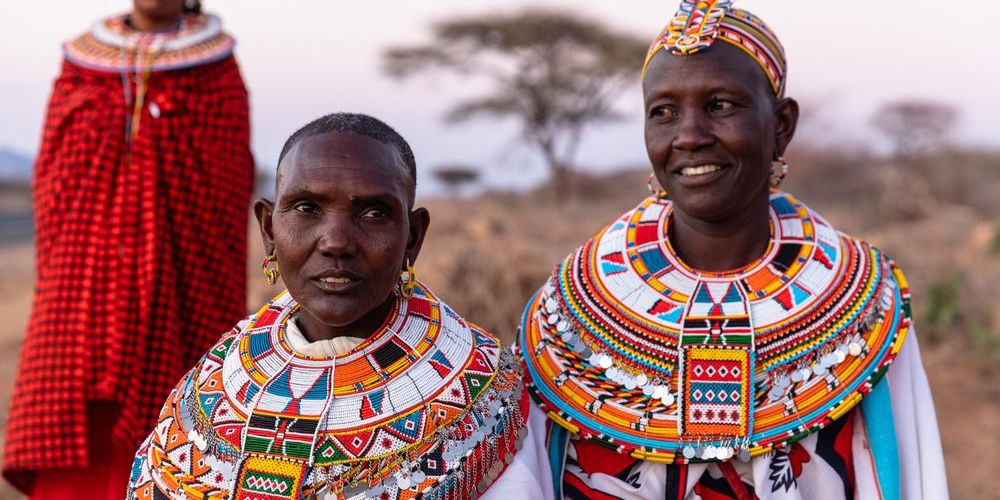
Main image: Umoja Village, Samburu, Kenya. Picture courtesy Intrepid Travel